Writing women and peonies

I recently finished Elaine Showalter’s A Literature of Their Own: British Women Writers from Charlotte Brontë to Doris Lessing.

DSCN5610

Researched and written in the 1960s and 70s, first published in 1977 and revised and expanded in the 1990s with a new edition 2009 much reprinted since, this study of British women writers has stood the test of time very well. There is much to fascinate a writer today. Perhaps most astonishing is that this study, by an American, was so ground-breaking. As Elaine travelled “…around chilly municipal libraries in England in quest of women writers’ archives, I was often rewarded by becoming the first scholar to read a harrowing journal or open a box of letters.” Studies of women’s writing have abounded since those early days and much of the introduction (written twenty years later) is taken up with the (often negative) reactions by later scholars, pundits and activists to her analysis of this subject.

The book itself is a treasure trove of discoveries, of women who wrote the best-sellers of their day, but have been wiped out of history, of changes of taste, of changes in the roles of women, of transformations (or the lack of them) in the reactions of men. It back-fills the story that seems so often to consist only of Austen, the Brontës, Eliot and Woolf and gives a structure to the history of two centuries of writing.

Elaine’s original title had been The Female Literary Tradition in the English Novel, but Princeton University Press changed this to the current one – not, as so many have assumed, in reference to Virginia Woolf’s A Room of One’s Own, but a quote from John Stuart Mill  in 1869 in The Subjection of Women. He wrote: “If women lived in a different country from men, and had never read any of their writings, they would have a literature of their own.”

Although this book started life as an academic treatise it is highly readable and full of insight. It has changed my understanding of the journey so many British women writers have taken. There are also some quotes to make your blood boil and your mouth drop open.

On a completely different subject. It is tree peony time here. Finally the long-watched buds are opening.

White tree peony

White tree peony

Over Easter I saw this Molly-the-Witch in the local Botanical Gardens. Molly is usually a clear yellow, but this is a very delicate cream with peachy markings. Definitely on my want list.

Paeonia mlokosewitschii

Paeonia mlokosewitschii

There will be more in a later post.

Hercules Editions – small and mighty

DSCN4816

On Thursday night I attended the launch of a small book, The Heart Archives, by Sue Rose (a poet with a published collection to her name and another due later this year). Sue has photographed things meaningful to her and accompanied them with a series of sonnets, many relating to her own family. The poems have a sweet rhythm and a deep undertow, with mortality lurking in the background. Each is titled with a number in reference to the heartbeats recorded by Christian Boltanski and played continuously for his installation, Les Archives du Coeur. Sue’s book is one of two published by Hercules Editions (http://herculeseditions.wordpress.com), a press that came about to fill a need – the combination of photos and poetry.

DSCN4805The other book, Formerly, records disappearing London in photos by Vici MacDonald and poetry by Tamar Yoseloff. If you have ever wandered those streets of the city that have lost favour or are due for ‘redevelopment’, you will recognise in the photos the traces of the people who once lived and thrived here. The poems are sharp, bright, funny and heartbreaking. I love the verbal high jinks within them and the way they capture the flavour of what has now  disappeared (http://formerlysonnets.wordpress.com).

DSCN4810

One poem and photo, The Rose, took me back to my time as a struggling sculptor when my flatmate and I rented two bedrooms and a studio in The Rose and Crown in Deptford (long since demolished). The Studio was in the old strip bar (complete with appropriate murals). One of our bedrooms had to be given up to the Great Dane (who lived there too) to occupy with her puppies. I remember one day being told to stay away from the bar for a few days as Mick would be out (of prison) tonight. The barman then hid the rifle that used to hang above the bar. Exciting times!

England under water

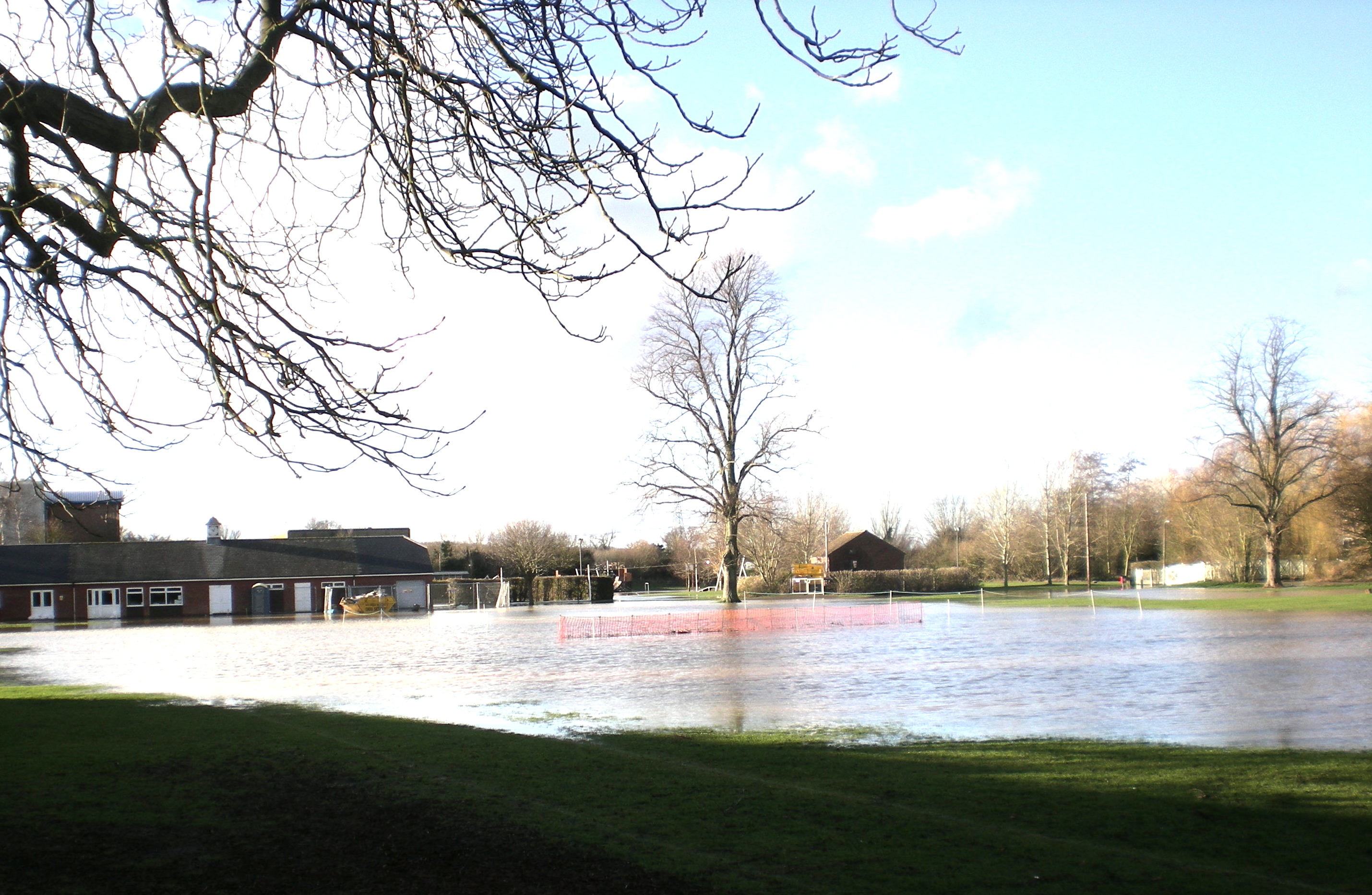
We live in a part of the UK not affected by floods. Last Saturday a friend and neighbour, Michael Judge, walked round the village taking a few photos. Here is an English cricket pitch.

The recreation ground – photo Michael Judge

The recreation ground – photo Michael Judge

And a bowling green.

Bowling green – photo Michael Judge

Bowling green – photo Michael Judge

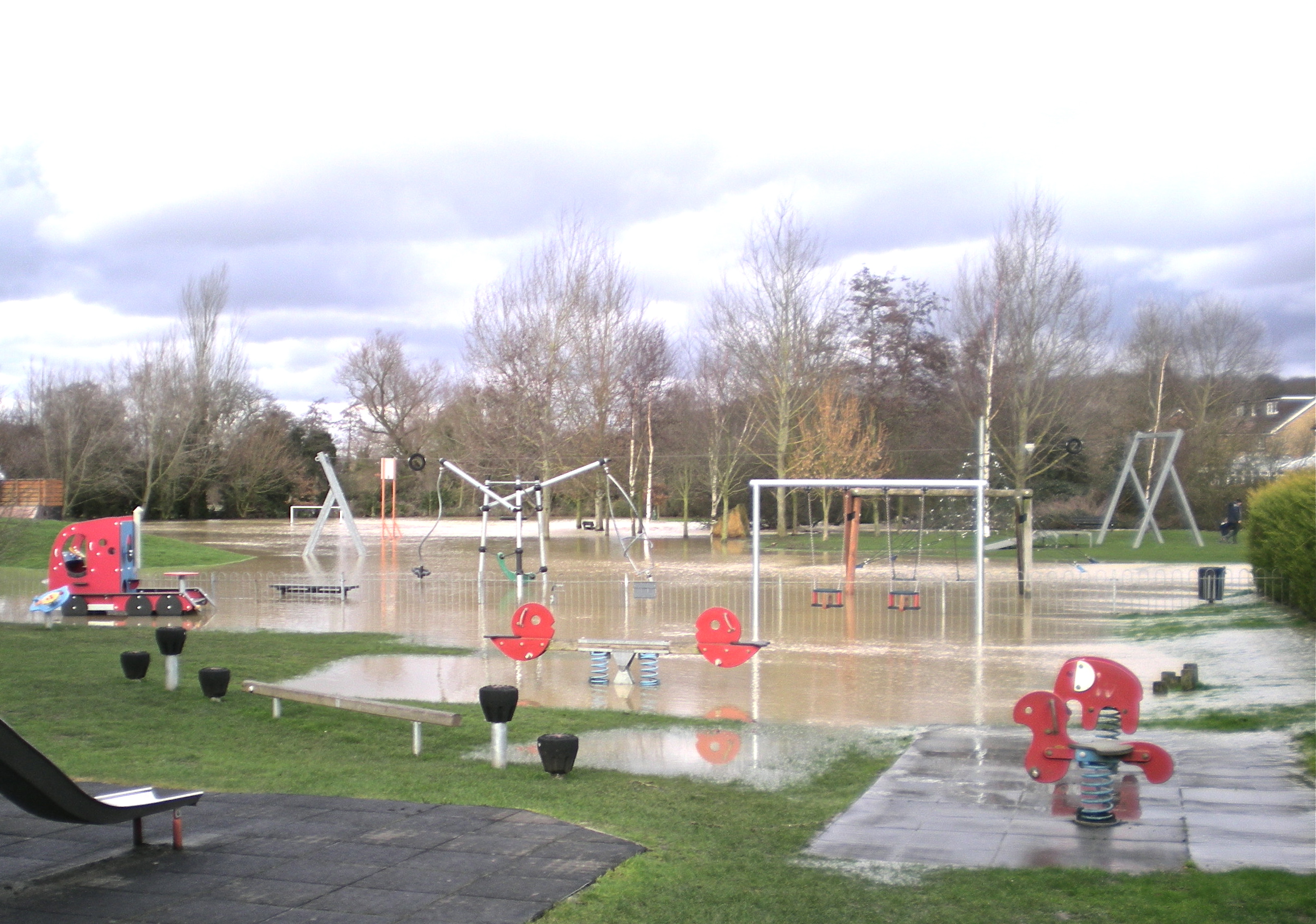
And a playground.

playground – photo Michael Judge

playground – photo Michael Judge

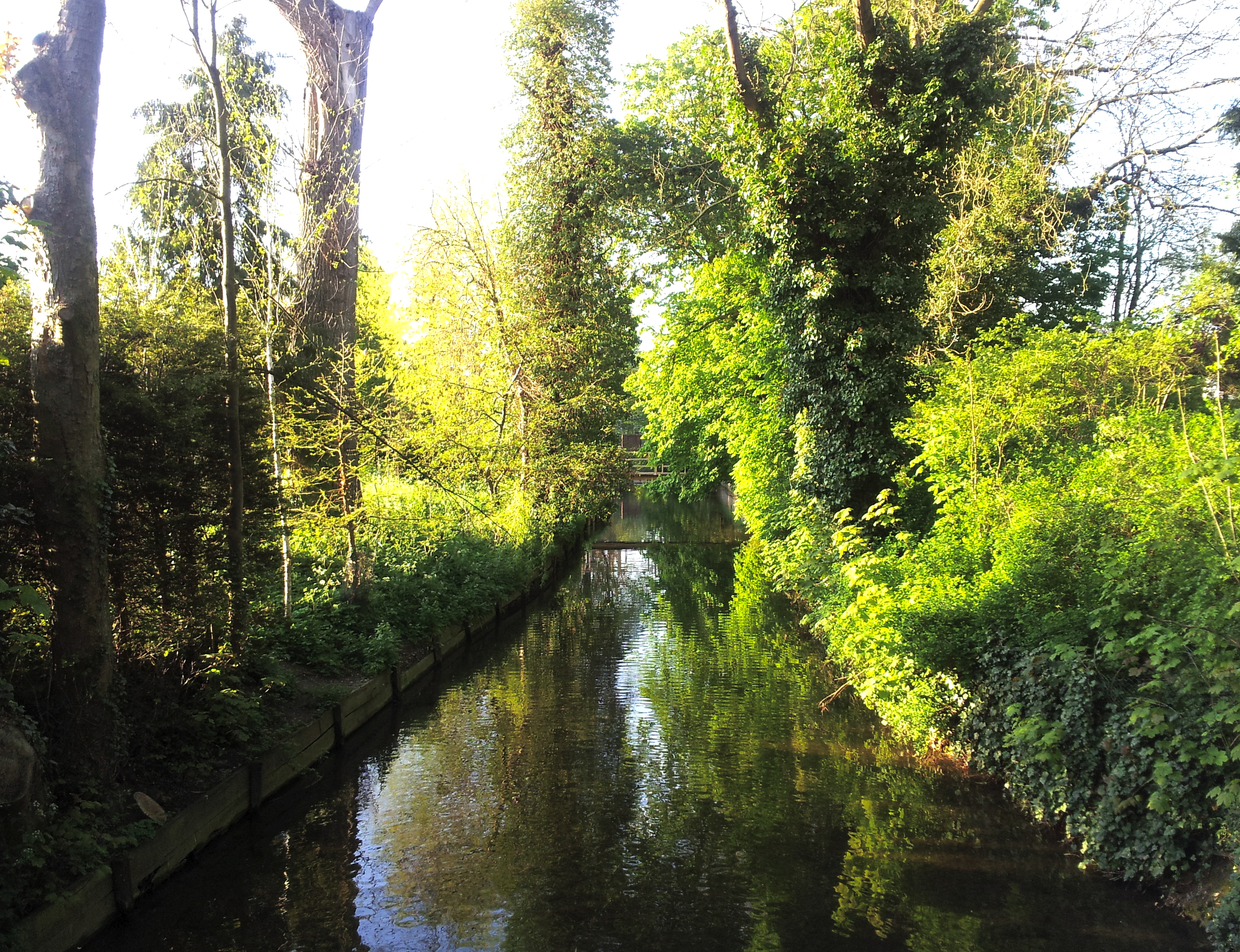
The local river in May 2012.

English village river May 2012 – photo Michael Judge

English village river May 2012 – photo Michael Judge

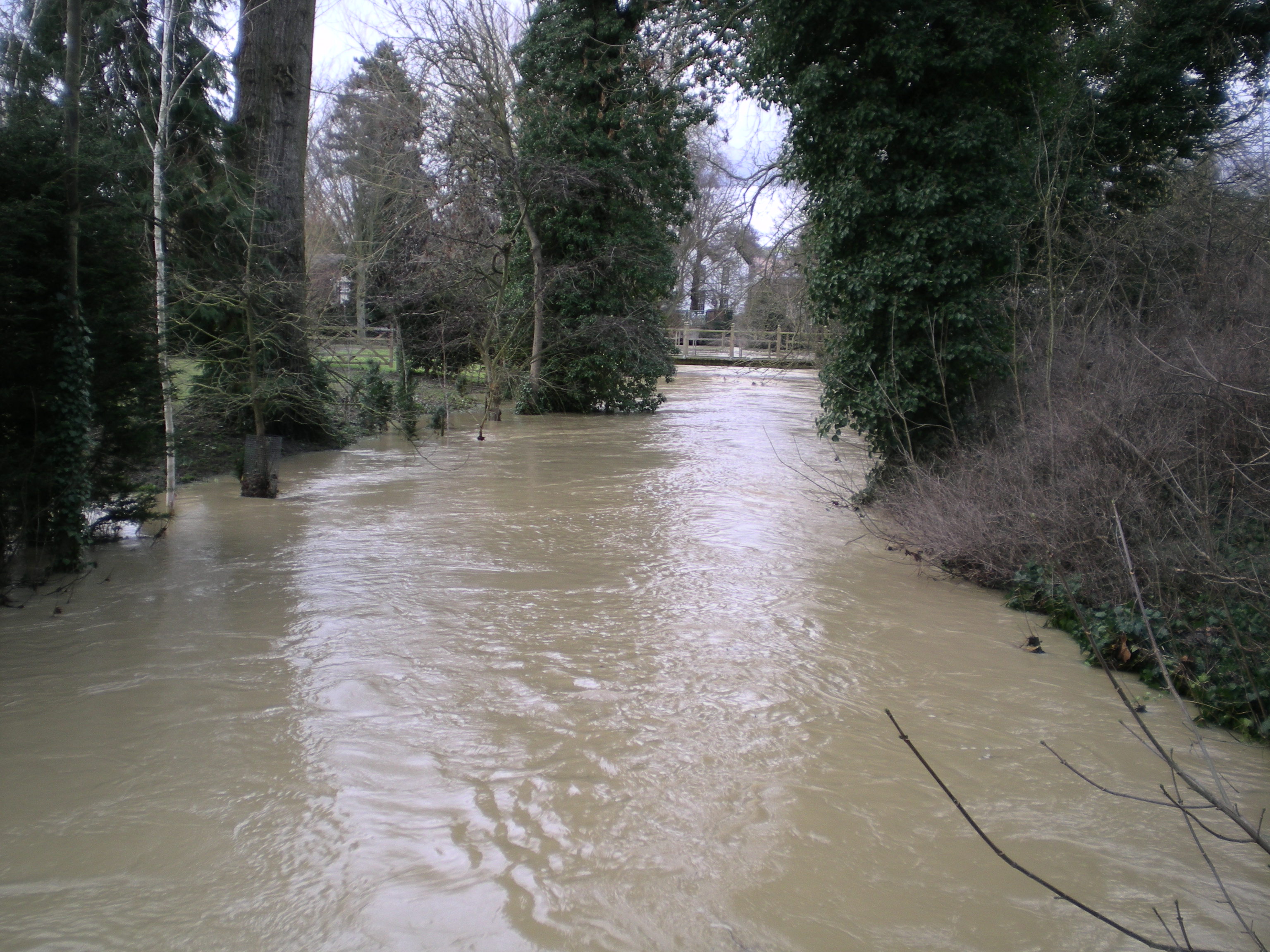
And again in February 2013.

a village river February 2013 – photo Michael Judge

English village river February 2013 – photo Michael Judge

And, I repeat, our part of the UK has been spared most of the rain and flooding.

The Glass Room

I have just read Simon Mawer’s The Glass Room.

DSCN4746 - Version 2As a writer I am gagging with envy. As a reader I am one satisfied customer. The book is set in Europe between 1928 and 1990, with the meat of the story taking place during WWII. The frame of the story is a dream modern house (which actually exists), built in the 1920s for a private family, during the short-lived Czech Republic. Although the style of the house and the spaces it creates are central to the story, it is the characters that grab you, entertain you and make you care about their fate.

The language is immensely rich, graphic and easy to read. It is haunting, but never sentimental. It depicts some of the richness and beauty of the spaces we live in. If I have a caveat, it is one I often find in male writers, an inability to resist depicting one or more women as a vamp. Mawer’s particular vamp is one of the most interesting and entertaining of the characters, so I am not really complaining. Her very boldness allows him to say things that most characters would not get away with.

I can’t work out if this is a heartbreaking story or one of hope, which sounds strangely indecisive*. The coverage of war experiences, however fictional, is in essence true and devastating. The longevity of an idea, embodied in the Glass House and persistence in survival of the human race under a variety of repressive regimes as well as war, are elements of hope.

*My discussion group are in no doubt that it is heartbreaking.

Another snake, another ladder

Yesterday I received another rejection for my novel Border Line. They are stacking up nicely now.

Last night I found an email from a friend. The subject line read: did you write this??? or where did I HEAR IT?

The text read: “Not even purgatory would feature a sing-along bar in Ljubljana. ”

This is a quote from Border Line, which my friend must have read well over a year ago. He may have remembered the line because he hated or was irritated by it, BUT at least he remembered it. He may even have liked it. I have to hang on to all forms of encouragement.

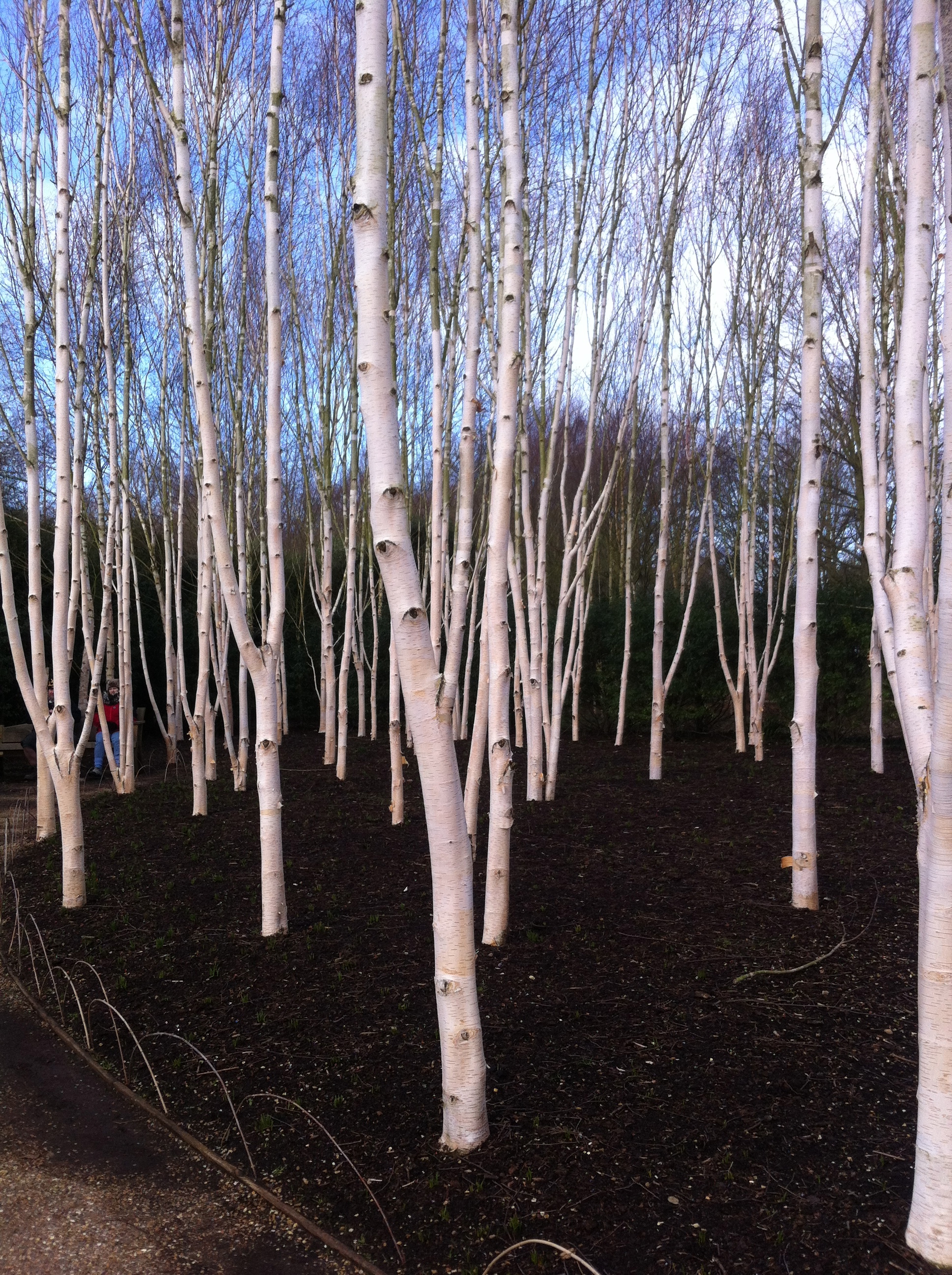
Birches in Anglesea Abbey gardens Winter Walk today.

Birches in Anglesea Abbey gardens Winter Walk today.

writing magic

A few weeks ago a friend lent me a book she had been unable to put down.

DSCN4655

John William’s book Stoner sets out from page one to kill expectations. The tone is matter-of-fact, and the novel opens with Stoner’s death at the end of a clearly unremarkable life. This life is led almost entirely within the walls of an American university, though, crucially, Stoner is the only child of a small farmer.

So why has it become a bestseller here in the UK? The prose is mesmerising in its clarity and simplicity. The life it unfolds is unpromising in modern terms; bare, unambitious, and with few happy contributions from chance. Yet, this is an extraordinary and moving novel. I have rarely felt more sympathetic towards a protagonist. This remains true, in spite of the fact that much of his experience is marred by the limitations of his own personality. His background and upbringing are hidden shackles which the reader continues to hope (and not in vain) will crumble just a little some day.

It is also a story about the ordinariness of love and the magic of the written word.

Finding big errors

This is a thank you to the whole business of blogging. A few posts ago, I wrote about Barry in the Japanese POW camp, Chungkai, in Thailand in 1943 and 1944. I mentioned the Thai merchant Boon Pong, and because of your interest in this amazing hero, I did a little research and added a post about him. In the course of that research I discovered an error in the book I have put together using letters and memoirs of that period.

Barry was in his eighties when he wrote about his time as a prisoner. He was in Chungkai camp from July/August 1943 to February 1945. He remembered in detail (far, far greater than anything I have posted) working for the surgeon Marcowitz as he carried out amputations on those men with incurable tropical ulcers. But he remembered this period as the end of 1944, beginning of 1945. Marcowitz left Chungkai in January 1944. It is over the previous Christmas period that Barry worked for him.

I have had to move several chunks of text around, all with some tricky knock-on effects on the rest of the story. But I am so grateful to have discovered this. So thank you everyone.

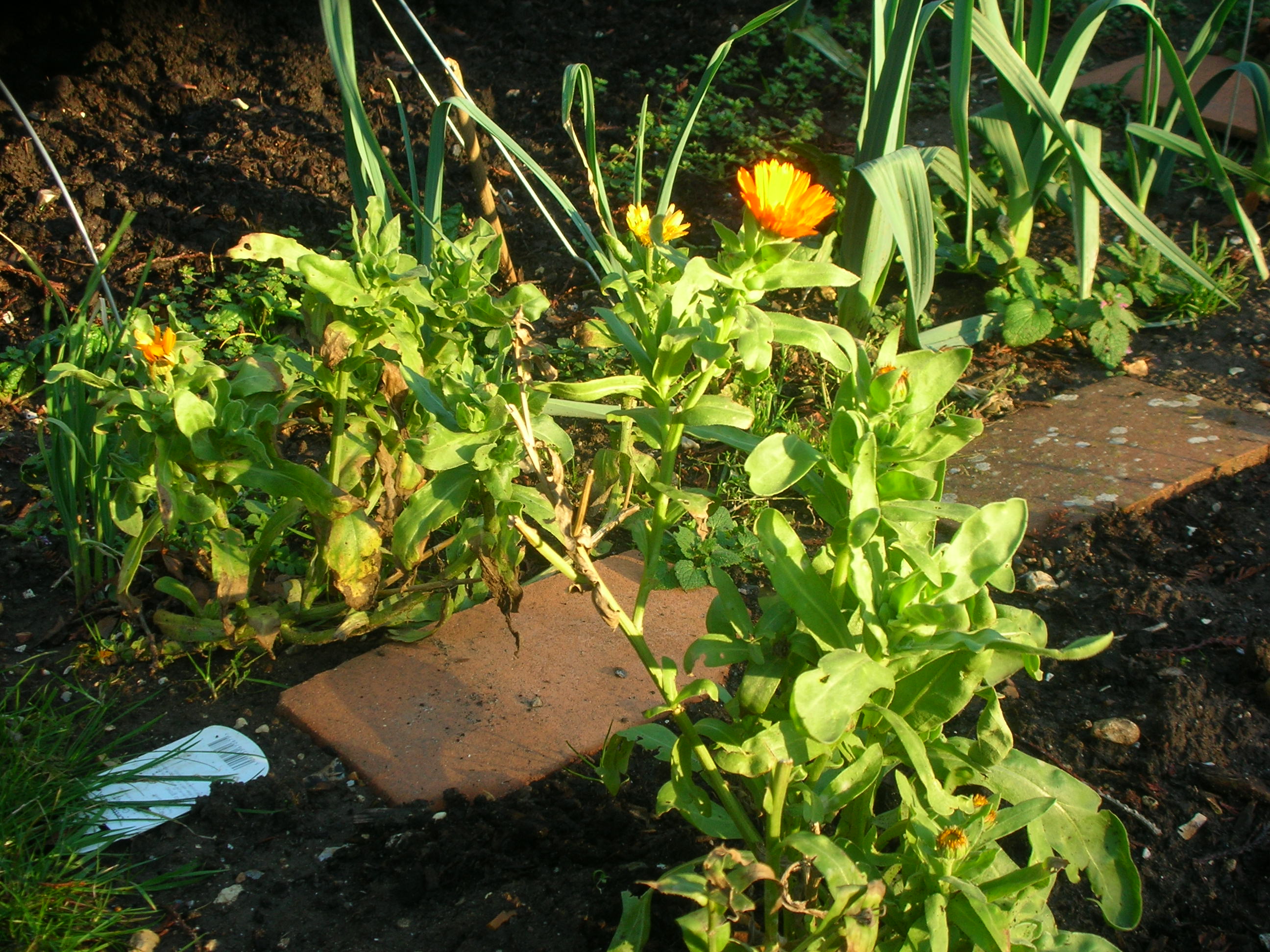
A little spring cheer to say thank you, a marigold is still blooming in the vegetable garden (and I have been squashing greenfly on the new rose growth today).

DSCN4630
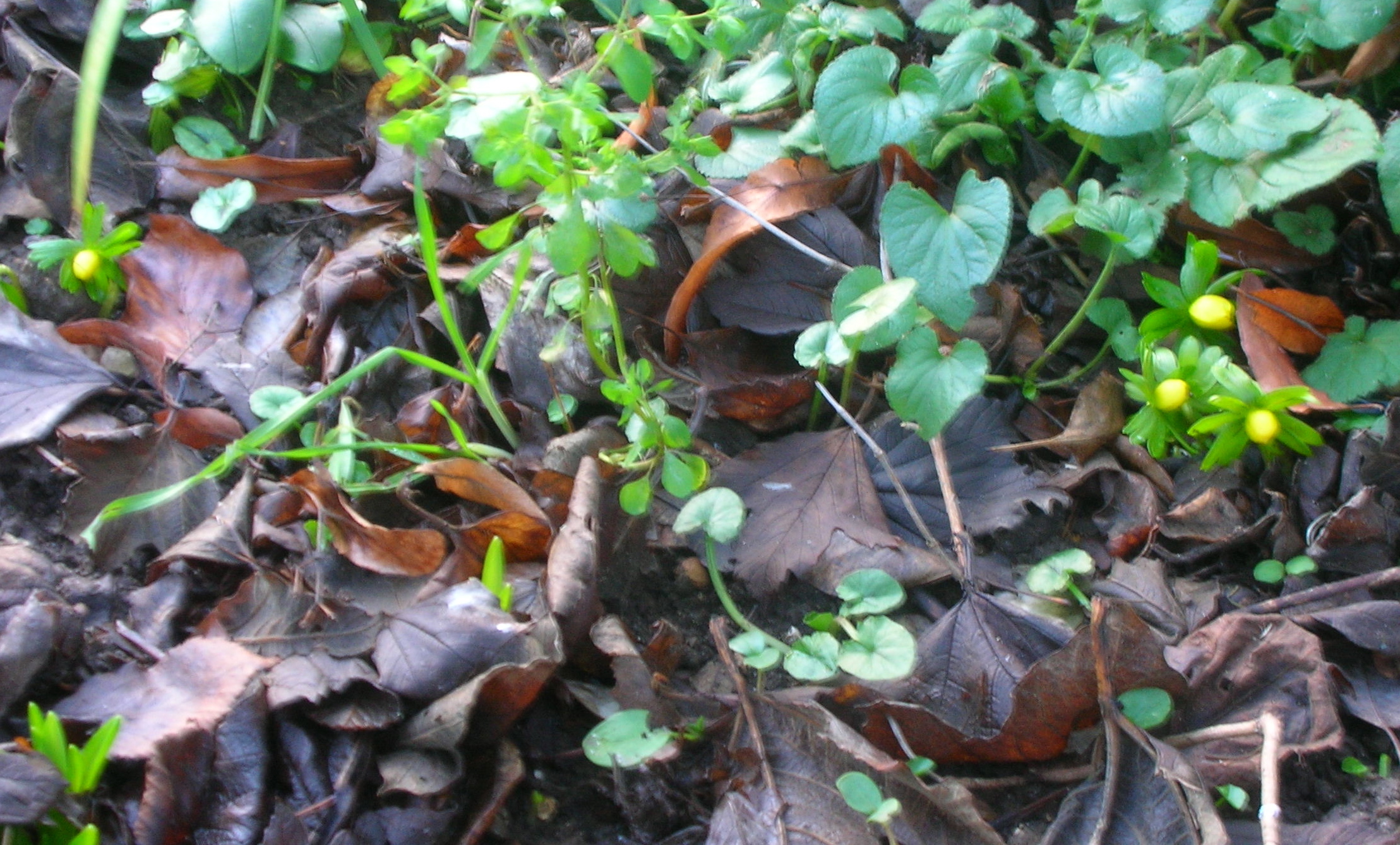
The most cheering pre-spring sight I know – winter aconites springing up all over. Sorry it’s not a great picture, but they really are unfurling in every corner of the garden.

DSCN4633

Boon Pong – and other forgotten heroes

Tucked into one of the books on Barry’s shelves about Far East POWs was a little photocopied leaflet of 1998, being re-issued for ‘X’mas 2000’. It starts:

I am one of the persons who had seen the event about the railway construction from Kanchanaburi to Myanmar during World War II when I was 19 years old, 1941. As a saleswoman at Khao Chon Kai (Chungkai) War-prisoner Camp.

page 1 of Lulu's story

page 1 of Lulu’s story

Her name was Lulu Na Wanglan and she tells her story, explaining that even after 50 years, ‘I dreamed of those war-prisoners before I started to wright.’. She supplied prisoners until she had ‘no more capital to trade or sale goods.’ At this point she was given some money, probably by the local underground, to continue supplying prisoners. She was suspected of spying by the Japanese and warned by Mr Bunpong (Boon Pong) in time to escape. The prisoners thought she had been shot (confusing her with a brave French spy, ‘Lulu’ who had been killed by the Japanese) and they missed her. After the war UNO staff painted Lulu on their vehicles. Prisoners remember her in their memoirs.

Boon Pong (Boonpong Sirivejjabhandu) was a Thai trader whose sympathies were aroused by the state of the prisoners. In early 1943 he became the interface between the V organisation and the prisoners. The ‘V’ organisation was run by an interned British man, Gairdner, with a free Thai wife, Millie, and many free business connections. Many others were involved and as the prisoners’ conditions worsened they raised large sums of money on loan. Millie was among the those who dared to risk passing money and drugs directly to prisoners via the many POW lorry drivers.

Boon Pong Sirivejjabhandu

Boon Pong Sirivejjabhandu

The upriver camps had almost no supplies of medicine and very little food, especially higher up-river where barges could not go. Conditions became dire beyond imagining and their only source of relief was the money and drugs that Boon Pong managed to get to them, acting always as a legitimate trader. He also obtained and supplied ‘Canary Seed’ (radio batteries), if the Japanese had discovered this he would have been tortured and killed. There were other traders, but his prices were lowest. He worked the length of the river, but after the railway was complete and the men poured down-stream in vast numbers to the big base ‘hospital’ camps, his role became even more crucial in saving lives with supplies of food and medicines and even violin strings.

In a story by Brian Brown of the Royal Signals in Beyond the Bamboo Screen (ed. Tom McGowran) he quotes another POW saying the Boon Pong’s wife swam their camp moat at night with medical aid round her neck. The effect on morale of the efforts by this family were incalculable.

Australian Surgeon and POW, Colonel Weary Dunlop, kept a diary. 25 October 1943 reads: The hospital today obtained some most useful drugs and money *. The footnote reads: By grace of that magnificent man, Boon Pong. His entry 30 December 1943, A Valuable supply of drugs and 3,000 ticals [this was due to the wonderful services of Boon Pong, the river trader]. And so on.

In the aftermath of the war in September 1945, Boon Pong was shot outside his shop in Kanchanaburi in front of his wife and father. Julie Summers in her book about Colonel Toosey, The Colonel of Tamarkan writes:

A British officer, …Captain Newall heard the shots and rushed to the scene. ‘He had been shot through his neck and left arm and he had also been shot clean through the back. There was a large hole in his chest where the bullet emerged and spent itself. He looked up at me. “Thai police kill me.” That was all he said.’

A British medical team gave him blood transfusions and operated on his wounds and, amazingly, he eventually recovered. In 1947, Colonel Toosey heard that Boon Pong, now running a bus company, had got into financial difficulties.

Bangkok

Bangkok

Toosey asked fellow prisoners to contribute and they raised £38,000. Boon Pong’s company became successful and his sons now run it. He received the MBE in 1948. He is popularly supposed to have been awarded the George medal*, but Clifford Kinvig in The River Kwai Railway, says there is no official record of this.

Boon Pong and ex POW in his shop after the war

Boon Pong and ex POW in his shop after the war

He died in January 1982 and in 1988 The Weary Dunlop Boon Pong Fellowship (http://www.surgeons.org/member-services/scholarships-awards-lectures-prizes/international-scholarships/weary-dunlop-boon-pong-exchange-fellowship/) – an Australian exchange fellowship for Thai surgeons, was set up.

Boon Pong is remembered in many memoirs and I have only given a rather scrambled outline here of his contribution to humanity. I apologise for any errors.

*Edit 21/7/20 The only award Boon Pong actually received was ‘the King’s Medal for Courage in the Cause of Freedom, a rare and most prestigious decoration. He was also made an Officer of the Order of Orange-Nassau by the Dutch’. Thank you Nick Metcalfe http://www.nickmetcalfe.co.uk for this information.

Hospital Orderly, Chungkai – POWs 22

As often happened in the course of 1943 and 1944, the theatre in Chungkai Camp was shut down for a period, because a production had offended the prison guards. During one of these periods Barry remembers:

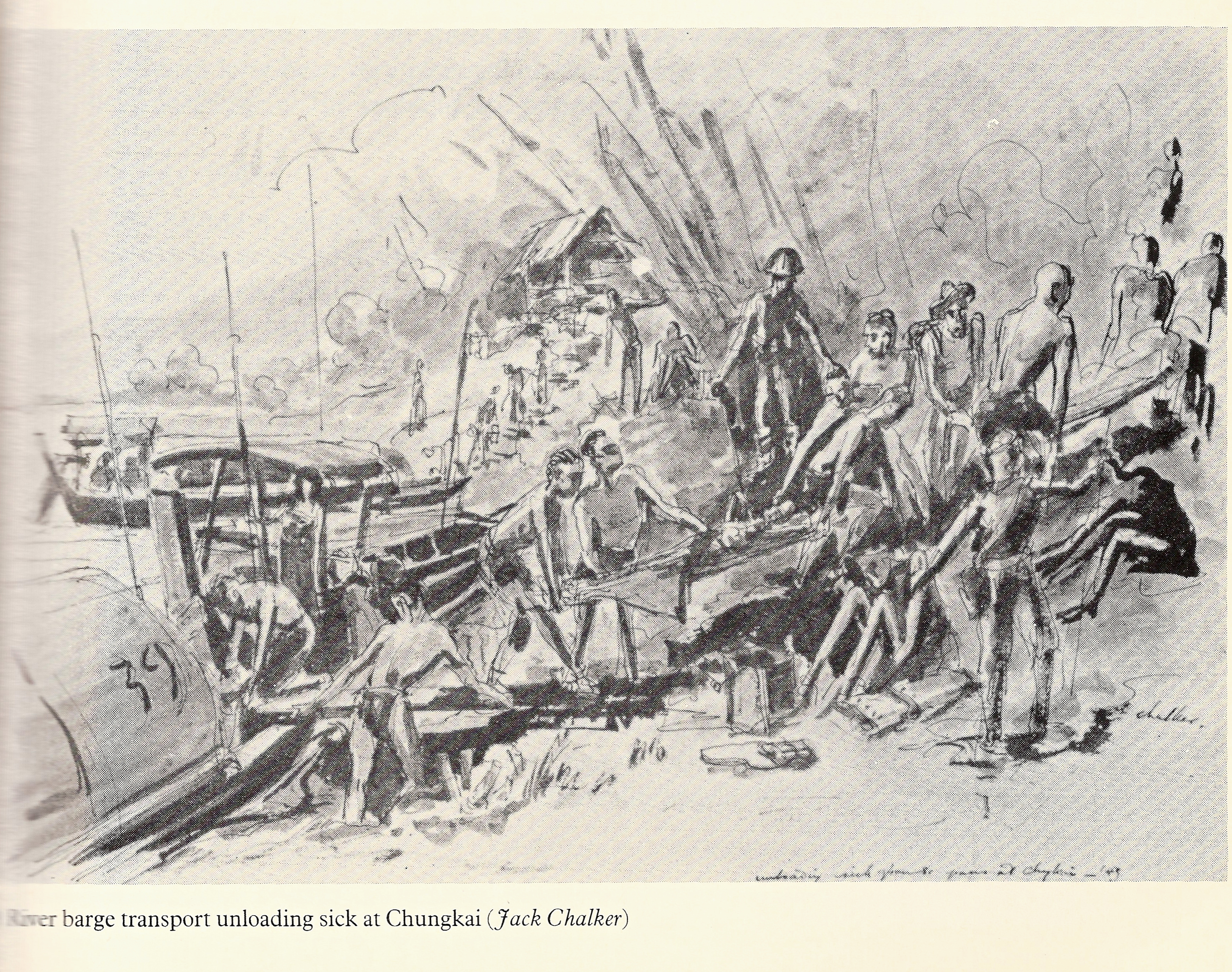
With the closure of the theatre, I rejoined the group of volunteer orderlies in the ulcer ward and here met Dr Jacob Markowitz for the first time. For some months more and more men with large infected ulcers had been arriving at Chungkai from up-river camps.

Chungkai unloading the sick2

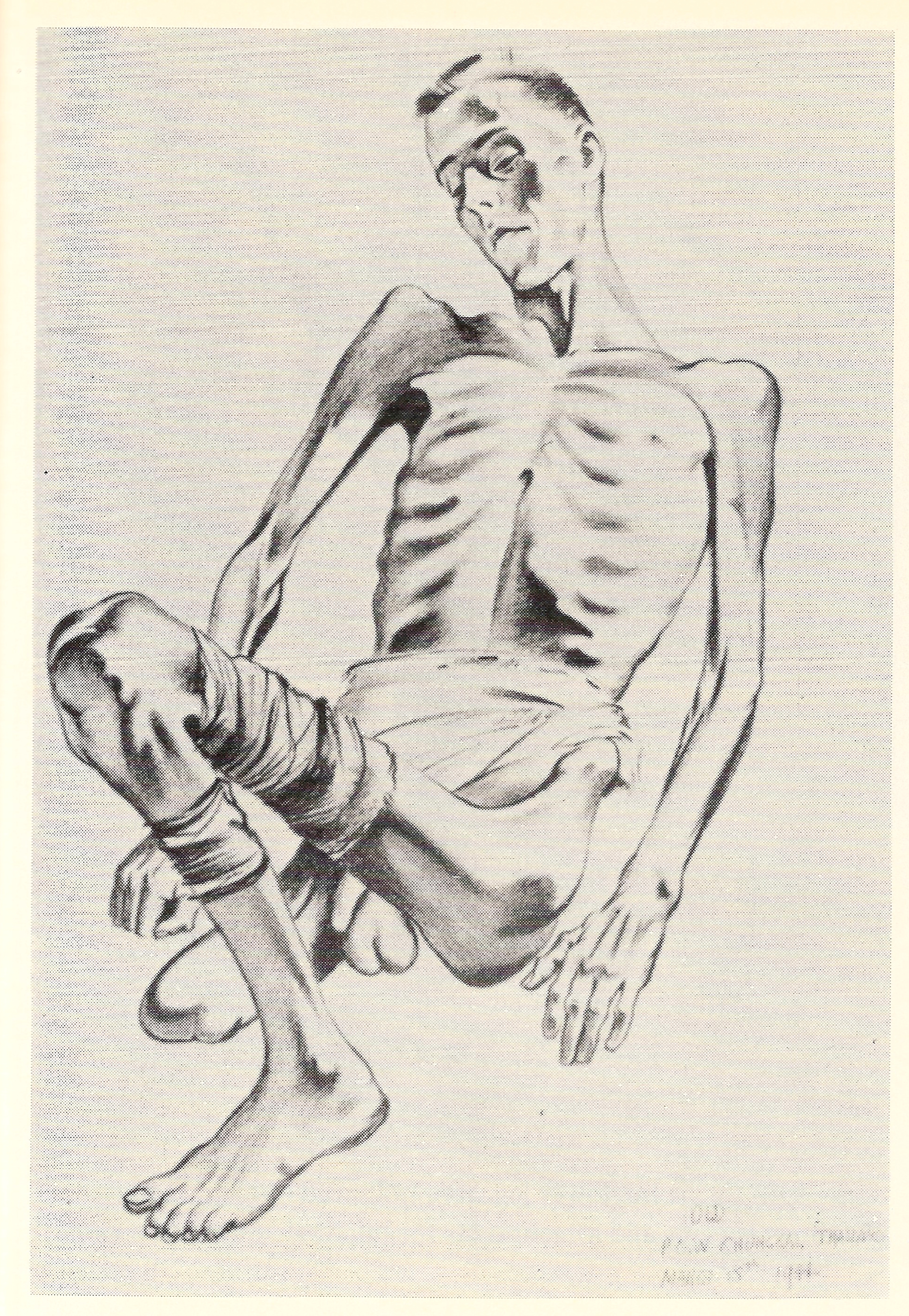
These ulcers were nearly all in the legs and were caused by scratches from the thorny bamboo, which like most wounds in the jungle soon became infected and ulcerated. The doctors decided that when an ulcer patient had a life expectation of not more than a fortnight then the limb would be amputated.

The doctors had a supply of Dental Cocaine and this was used as a spinal anaesthetic, very suitable for leg amputations. As I worked up and down the ward with the other volunteers, cleaning and dressing the ulcers we would regularly be asked “Will it be my turn soon?” Most of the men were anxious to be freed from the misery and pain of an ever-growing ulcer, and were prepared, even anxious, to undergo the risk and pain of an operation.

Chungkai ulcer ward

I worked for a short time as a member of Dr Markowitz’s team. My job was to tend a small fire under a cut-down paraffin can in which the instruments were boiled. We had, as I recall, two scalpels, a bone saw, and several retractors made from table forks. The operating theatre was in the open, without a roof as it was the dry season.

The area was surrounded by screens of rice sacks on bamboo frames. My job was to keep the fire going and to fish out the instruments with homemade bamboo tongs and to lay them on a piece of sterile cloth on a small bamboo side table.

There were no comforting pre-med drugs, so the patient was immediately rolled onto one side and one of Markowitz’s assistants inserted the needle into his spine and injected a suitable dose of cocaine. Marco usually had one or two doctors assisting him. When tests showed that the anaesthesia was satisfactory a very tight tourniquet was placed around the patients upper thigh or groin and the operation proceeded.

I believe about 80% of patients survived these operations, a great advance on certain death in a fortnight. Many of the ulcer patients would have preferred death to a continued endurance of their miserable condition.

Ulcer patient, Chungkai

Extremely debilitated British soldier – amputation and multiple diseases, Chungkai. Recovered (Old)

There were no painkillers and the next few days must have been agonising after the anaesthetic had worn off. These patients, referred to as the “Amputs”, lived all together in a separate hut and no doubt comforted one another. By the end of the War most of the survivors were getting about on some sort of bamboo prosthesis.

Goods for these and other operations were supplied very secretly by Mr. Phi Boon Pong, a Siamese merchant and barge trader.

Boon Pong and other members of his family were crucial in the delivery of life-saving supplies through the underground to some of the camps. Many, many prisoners owe their lives to him.

Boon Pong Sirivejjaphand

Boon Pong Sirivejjaphand

Another agent submission

Today I finally stopped messing around (clearing my desk, catching up on household chores, dealing with emails, fetching logs, photographing sunsets), and got out the file of my novel Border Line, worked over the first chapters and made another submission. I nearly failed to jump the last fence as I feel the title needs changing after the shift I made in my last major revision. Then I decided I was rearranging the deck chairs, and pressed the Send button. The title needs to be right, but if the text is good enough it is unlikely to be the rejecting factor.

Looking for a new title took me on a very pleasurable, though off piste, journey through my poetry shelves as I followed the lead from Frost’s Stopping by Woods on a Snowy Evening, through Graves and Donne and back to Rehearsal (by Eleanor Green), which had been one of the original stimuli for the novel. I still have not found the title, but here are the first four lines of Eleanor’s poem and the reason why actor’s exercises became central to the story of Border Line.

Rehearsal

for an exercise
I look at his hands
to improve our relationship
onstage?