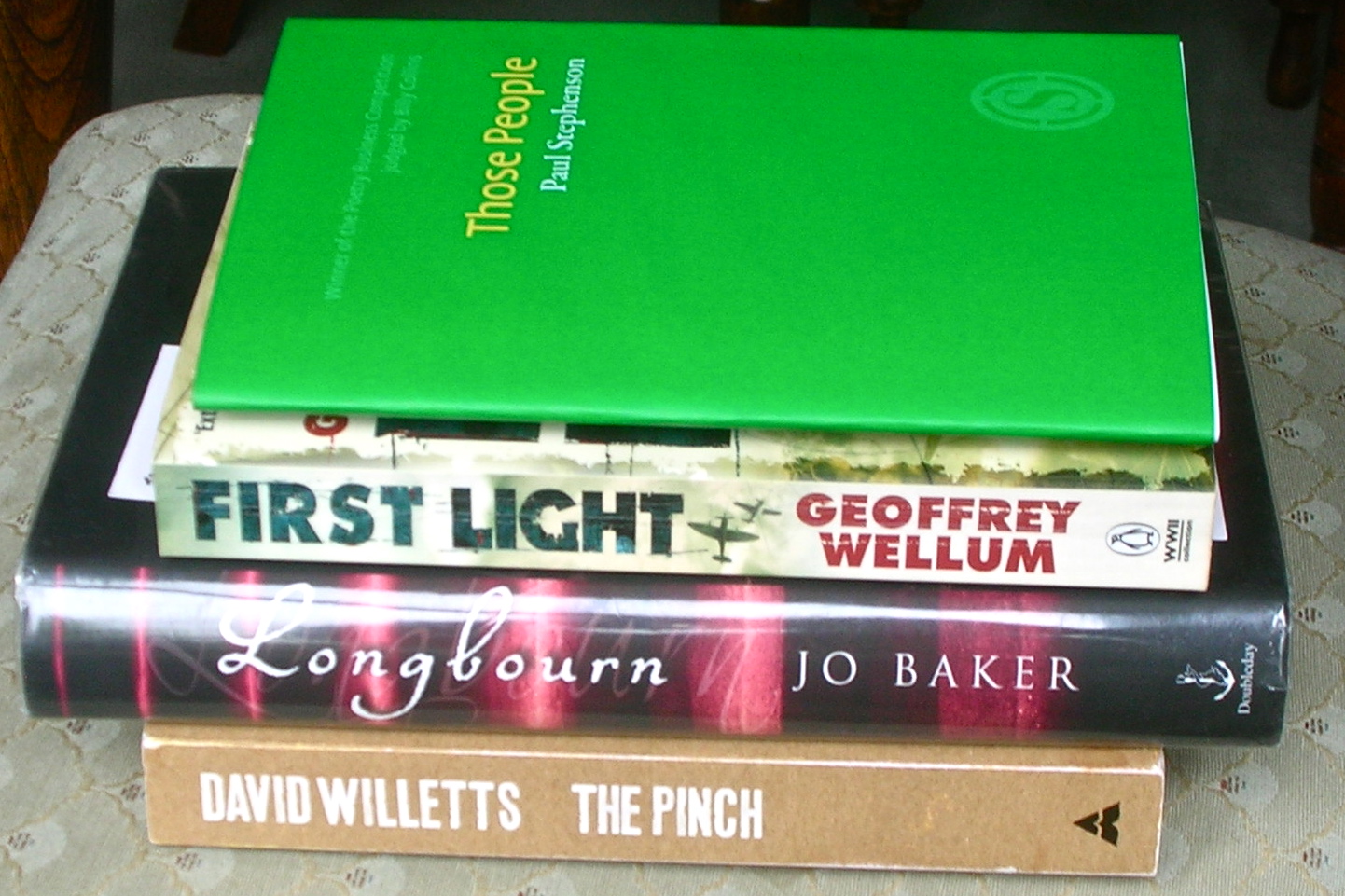
Four-decker book sandwich

DSCN7753As usual I have (mis)managed my reading by finding myself in the middle of four books simultaneously. I don’t know how many of you have the same experience, but there is a strange crossfire between books as a result… I have just checked my list and realised that three more books have crept into this sandwich (this is embarrassing, but I have finished two of these and lent the third to a friend who had left her iPad behind).

DSCN7754 - Version 2So, I started David Willetts’, The Pinch, on holiday in the wonderful library in Borgo Pignano, and ordered a second-had copy on my return. As a Baby Boomer myself, I’d like to understand this discrepancy between what we have had and what our children will inherit. What I have read so far, about how the historical structure of the British family make  it different from the rest of the continent (and much of the rest of world) I find fascinating. I reserve judgement on some of the lines he is taking.


[I ended the holiday by re-reading an old friend, Mary Stewart’s Airs Above the Ground. Returning to my stacked bedside I picked up The Secret Rooms by Catherine Bailey, a serious and riveting piece of research taking in the upper echelons of British Society, and WWI. Don’t be put off by the way it is uncomfortably dolled up for marketing purposes as a ‘True Gothic Mystery’. The research and the story are good and very revealing. I finished this in time for the visit last week by the kind friend who had given it me.]
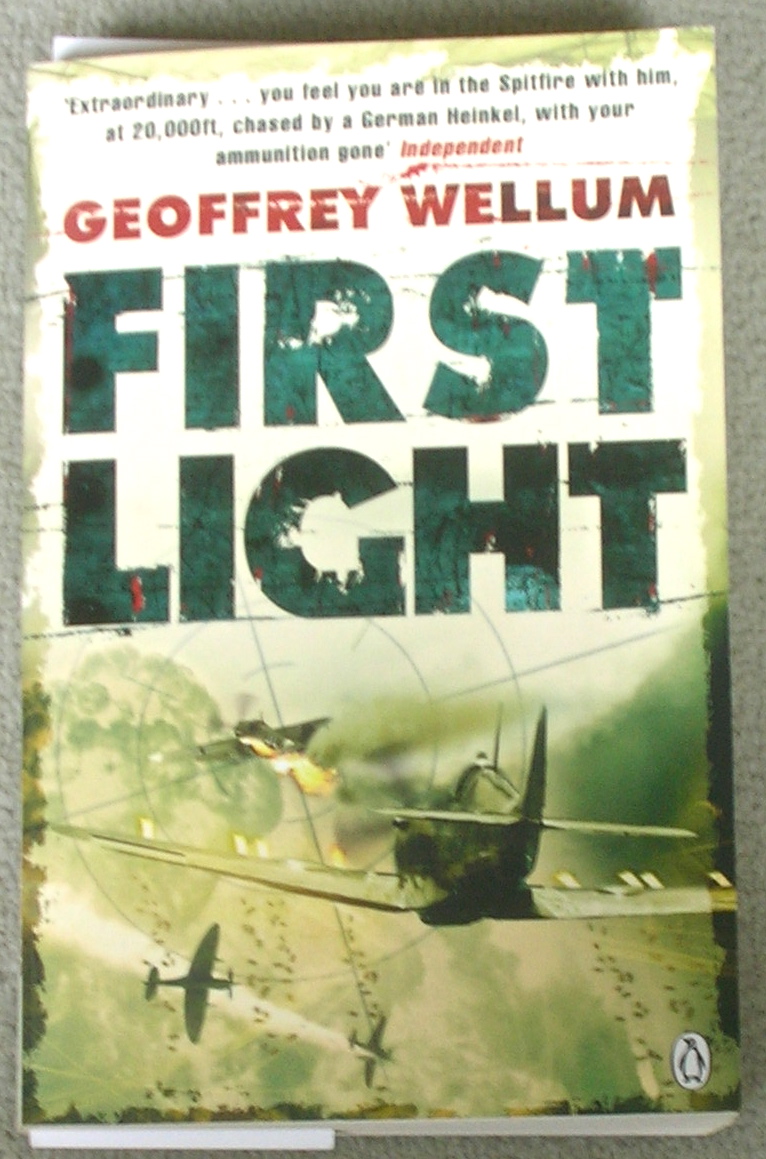
DSCN7756 - Version 2A WWII Spitfire pilot, Geoffrey Wellum, appeared on TV the other night and my husband dropped the book he published in 2002, First Light, onto my desk. Had I really not read it? With an Mosquito navigator uncle and Halifax pilot father-in-law, I should have read this enthralling classic  So I started and am totally involved. This is heart-beating stuff told without the least swagger, carrying you from the schoolboy who writes to the Air Ministry to the (very) young Spitfire pilot trying to keep his end up in the battle of Britain.

DSCN7755 - Version 2However, I have a reading group meeting tomorrow night, so, slightly out of breath, I started Longbourn by Jo Baker. This is unpromisingly billed as: Pride and Prejudice – the servants’ story. It turns out to be an excellent read, full of interesting life and detail and a totally absorbing story in its own right. The P & P narrative is there, above stairs, and acts as a brilliant backstory, because we already know it. I am impressed and read happily and quickly.

DSCN7757 - Version 2In the meantime the winner of the Poetry Business Competition, is a young poet, Paul Stephenson, whose work I really enjoy. The result of the win is his first published poetry pamphlet, Those People. I can’t resist browsing. Some I recognise from individual magazine publications, others are new. There is a delightful mixture of his impish (Passwords) and tragic (Birthday Cards) take on life and delight in words (Wake Up And…) and sharp and hilarious observations (Angle End) and all these elements crossfire within the poems.

***

I’ve finished Longbourn, and returned to First Light; The Pinch next (though I need to fit in Golding’s The Spire for Other Reading group) and I’m dropping in on Those People at intervals. Now I must get down to the serious business of the Researching FEPOW (Far East POW) History conference this Friday in Liverpool.

The books of Borgo Pignano

(A post mostly for bibliophiles)

Last Christmas we opened our present from our daughters to find this. DSCN7549On the back it explained that this was a long weekend (half-board) in Borgo Pignano in Tuscany. I am not about to post my 130 odd photos or describe our holiday, except to say that it was an uplifting experience. The ethos of owners of this beautiful 12th and 18th century cluster of buildings was of local, sustainable, organic living. We were happy, extremely well-fed (garden to table) guests, in the most stunning, spacious and peaceful of surroundings.

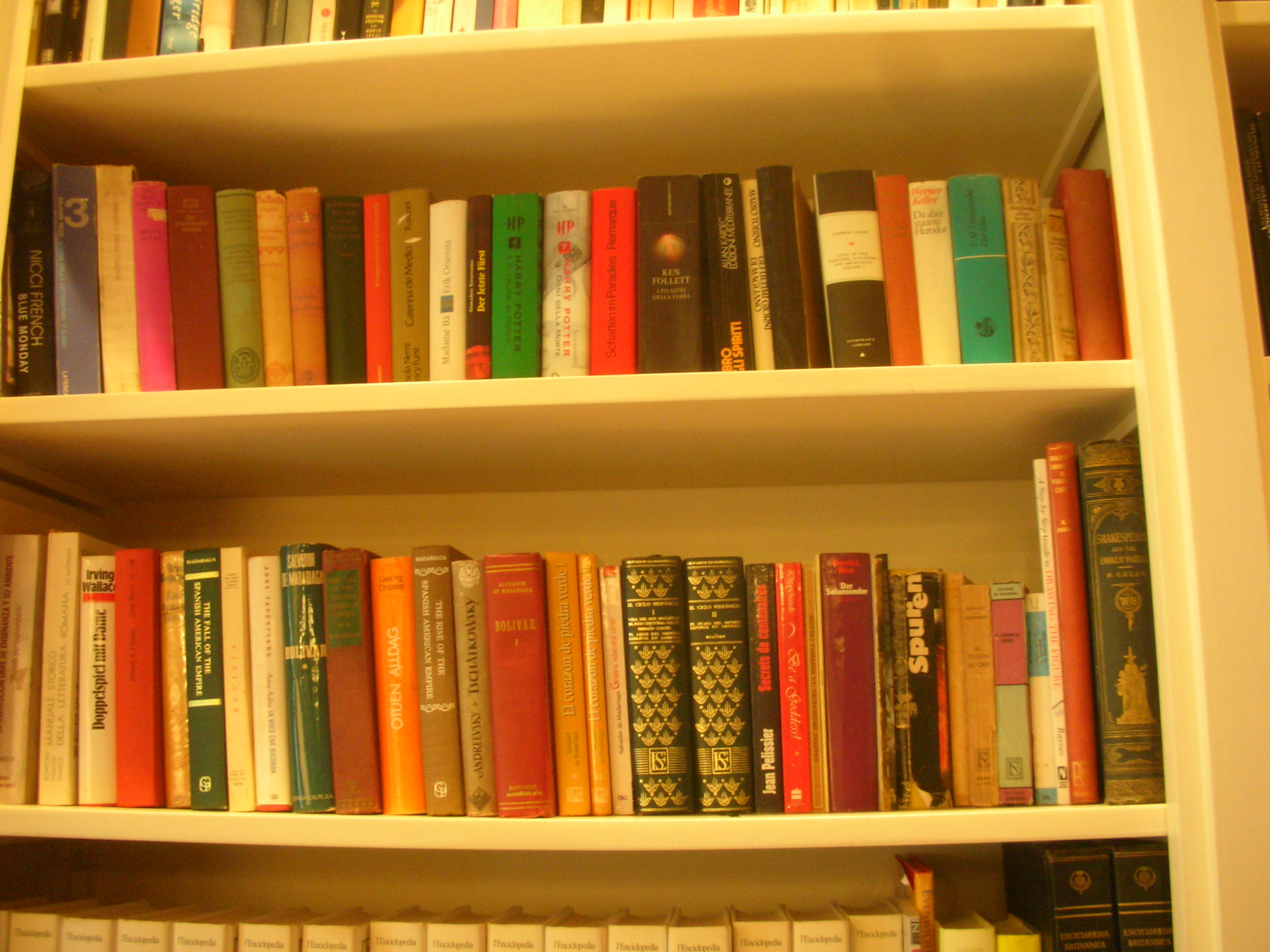
Among all the delights the one that enchanted me almost to delirium was the library. Never have I encountered such an eclectic mix of good books in such a wide selection of languages (original and translated) in my life before. I suspect it is unique.DSCN7373 DSCN7533

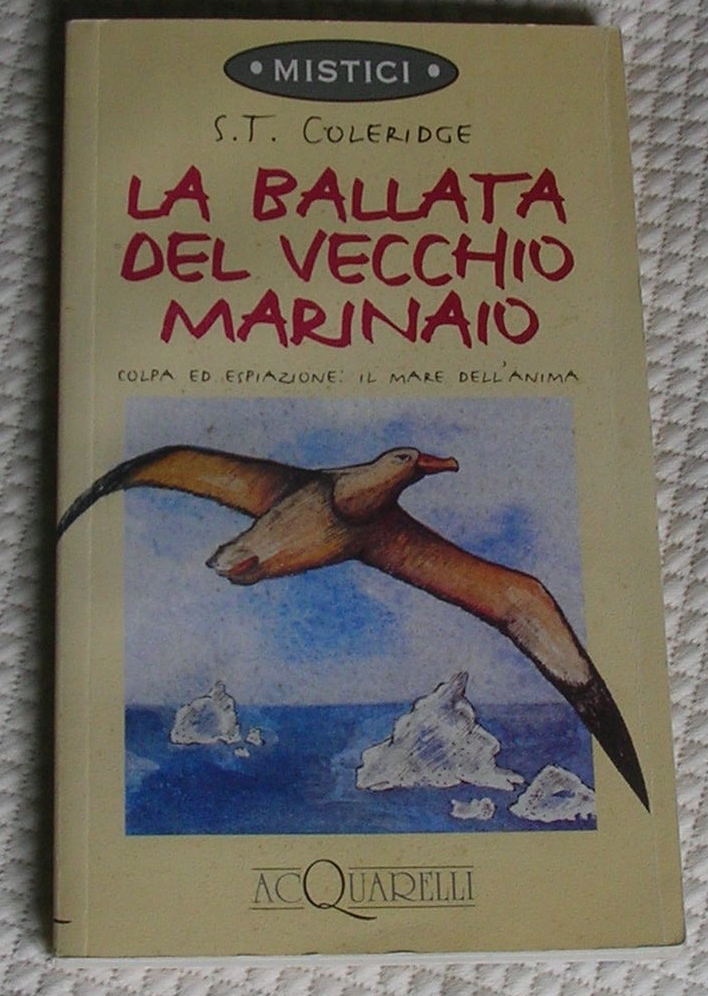
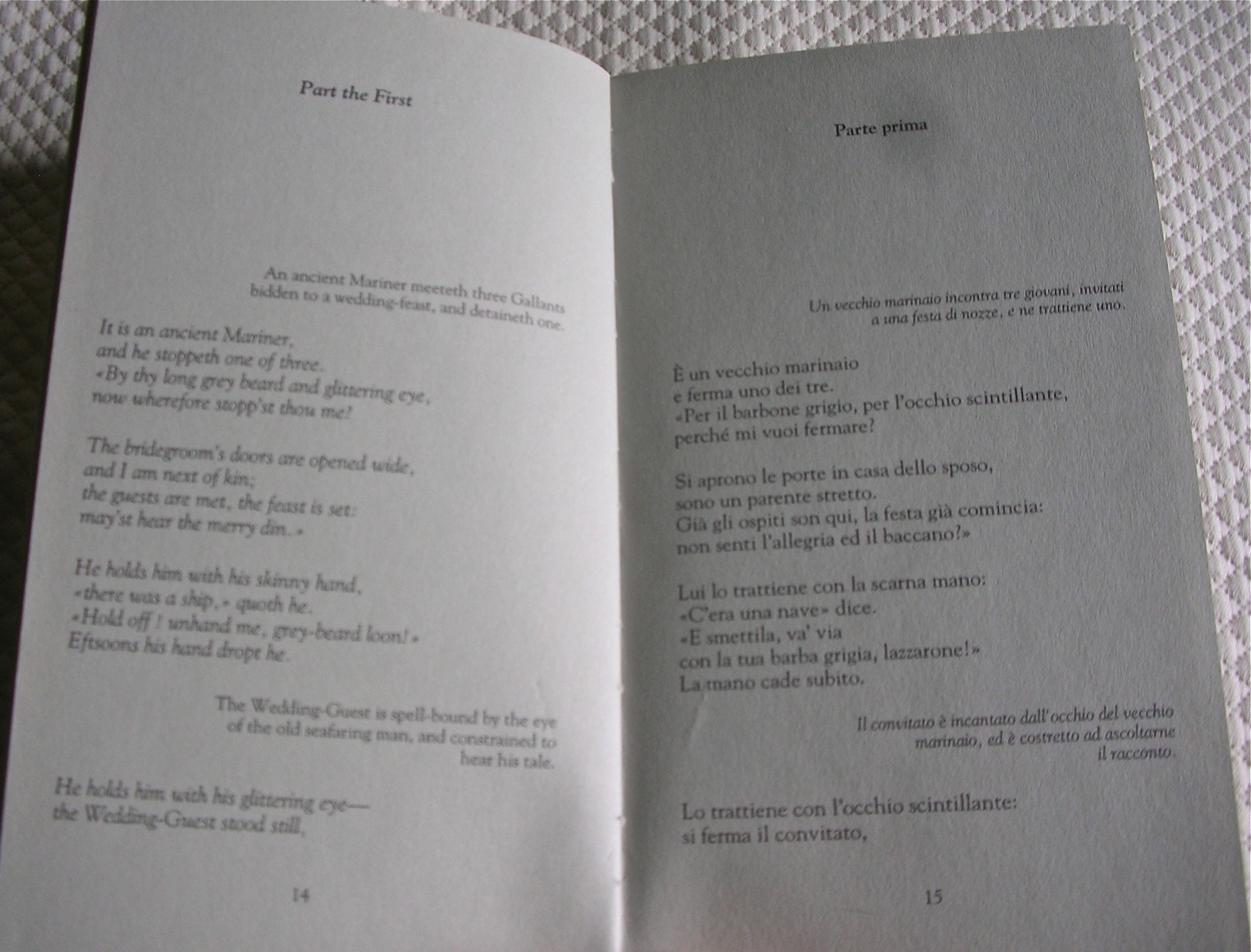
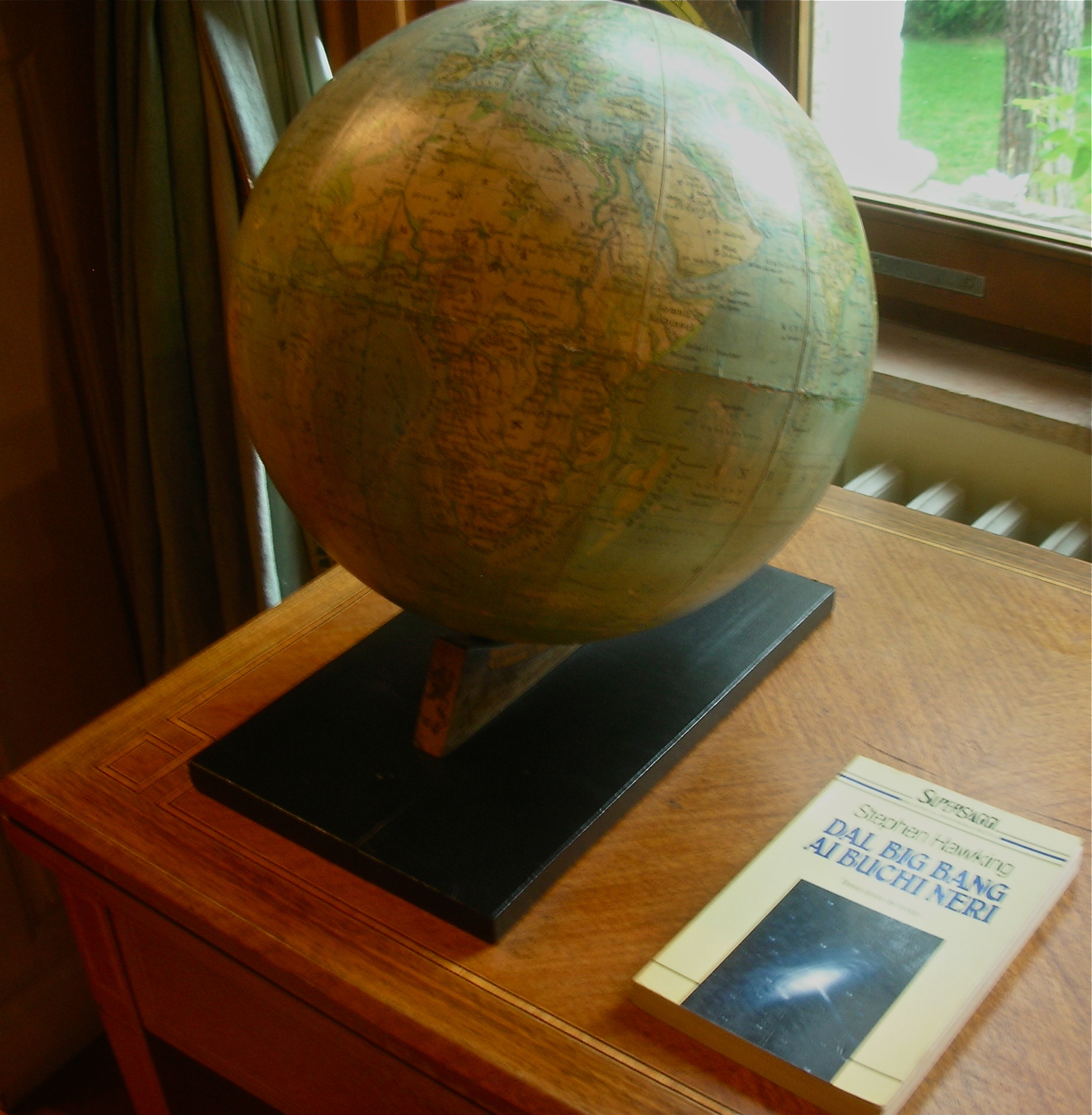
For tasters, here is a selection from just one shelf: Conosci L’Italia, il FolkloreQuarterly Review of Archaeology (1959), 4 vols; La Institución de Eserianza y su Ambiente, Antonio Jiménez; Manuale Storico della Letteratura Romana, Ranconi, Posani, Tandoi; Doppelspiel Mit Dame, Irving Wallace; Das Boot ist Voll…, Alfred A. Häsler; Kinder Brauchen Märchen, Bruno Bettelheim; The Fall of the Spanish American Empire, Salvador de Madriaga (many copies of this and other works by the same author in several languages); La Voce Che Ricorda, Ama Adhe (preface by the Dalai Lama); Ottjen Alldag, Georg Droste; Tschaikowsky, Alexander Andreavsky (in German); Secret de Centenaires, Jean Pelissier (Chinese medicine); Be a Goddess, Francesca de Grandis (Celtic spells); La Dottrina Celeste,  Emanuel Swedenborg; Mahā, Mudra (Mediation, French); The Twilight of Machines, John Zerzara; Spuren, Eric Ambler (German); Sesso, Antonella Biagioni; Fe Sin Blasfemia, Salvator de Madriaga; A Step by Step Guide to Drawing the Human Figure, John Raynes; Holbein’s Drawings at Windsor Castle, K. T. Parker; Shakespeare and the Emblem Writers, Henry Green. (Well, well, that really fixed spellcheck, it gave up completely.)DSCN7524I found little gems, such as a dual language school version of Coleridge’s, The Ancient Mariner. The text includes little resumés of the action written thus: ‘An Ancient Mariner meeteth three Gallants, bidden to a wedding-feast, and detaineth one.’DSCN7424_2 DSCN7425  Another cover that caught my fancy was Hawking’s Big Bang in Italian. DSCN7525

Then there was a music book of laments from the Highlands and Lowlands of Scotland.DSCN7532

I have never known such browsing delight, but I’d better stop. Well, maybe the view from our bedroom window first thing in the morning.  DSCN7383


The Bush Devil Ate Sam and 84 Charing Cross Road

Let’s hear it for non-fiction! I have just had the most entertaining and informative week (and I get to write a seriously disconnected title for a post).

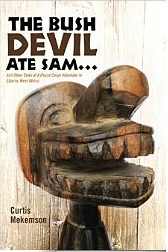
Curt Mekemson‘s book, The Bush Devil Ate Sam…And Other Tales of A Peace Corps Volunteer in Liberia, West Africa, is an important record and a serious story, yet told easily, and with delightful humour. This is one of the most satisfying books I have ever read, because it entertained me thoroughly AND made me feel better informed.

Screen Shot 2015-04-15 at 20.35.09In America in the 1960s, Berkeley was one of the cradles of independent thinking. Here, youth, hope and idealism produced (for a while) creative, open-minded solutions to world problems. Curt was there and tells us how it really was.

From there we go with Curt and his wife, as raw Peace Corps recruits, to Liberia. Curt never fails to spot the funny elements of his varied adventures and he writes with an pleasing straightforwardness. Their lives as told are crammed with, hair-raising, deadly serious and laugh-out-loud details.

The story is brought up to date with a resumé of the events of the breakdown of the country in the 1980s and the current fragile peace including the testing events due to the appearance of the Ebola virus.

In spite of Liberia’s  difficult and often tragic past, reading Curt’s memoirs in The Bush Devil Ate Sam gave me a sense of hope for the country and the wider continent.

My other book, 84 Charing Cross Road, is a smidgeon of a story – 96 pages of short letters   from 1949 to 1969 between Helene Hanff, a New Yorker, and Frank Doel, who works in an antiquarian bookshop in Charing Cross Road. The contrasts between Britain, book-rich and food-poor, and America, the reverse, shape the correspondence. DSCN7236 - Version 2 Helene’s voice  is totally original and utterly beguiles not only Frank, but all the staff at Marks and Co Booksellers as does her generosity during the rigours of rationing.  This book was an instant hit on publication and there is also a film (with Anthony Hopkins and Anne Bancroft), which I am aching to see.

The edition I bought (secondhand) includes the sequel, The Duchess of Bloomsbury Street, which I also highly recommend. This is another very short book, all taking place in 1971 in London, as a consequence of the publication of 84 Charing Cross Road and provides a satisfying coda to it. These two records reveal the wonder of England and English literature through post-war American eyes.

Prisoner on the Kwai

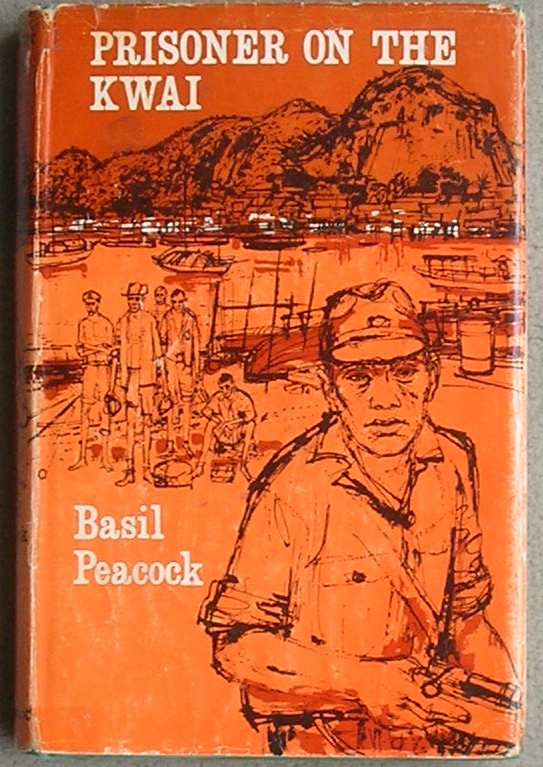
In the early 1960’s Basil Peacock found himself unexpectedly in Bangkok, some twenty years after his last visit to that city. He hired a car and with his wife and American friends and drove up to the river Kwai. The hire car manager charged little, exclaiming:

“You work on railroad! Not dead yet! You must have iron bones — I make special price.”

His companions listening to him talking about his time as a Far East Prisoner of War (FEEPOW) persuaded him to write up his story. It was published in 1966 and is, as he says, mainly about the:

“bizarre rather than the tragic. My memories of unusual, odd and even crazy incidents were vivid and detailed, but those of horror curiously blurred.”

DSCN7136_2

 Basil Peacock was a veteran of the First World War, he joined under-age in 1916, received the Military Cross in 1917 and was wounded and captured in 1918. This gives him a perspective on his later captivity that few other writers possess. Prisoner on the Kwai is an excellent, extremely readable account of the FEPOW experience under the Japanese. [It includes some non-PC language.]

In the last five years I have read more than fifty books by or about FEPOWs, some published, others as private accounts or diaries in museums. Contemporary diaries are rare; they contain truth that is of the moment, but the contents can be restricted by the fear of discovery. The early post-war accounts vary and were often rejected by publishers as too brutal, particularly those by ordinary soldiers. Many who felt the need to record the three and a half years taken out of their lives were not natural writers, and their accounts lack balance and structure; sometimes bitterness, sensationalism or vainglory overwhelm the story. Others are brilliant, painful, heartbreaking and heartwarming.

The basic truths that always emerge are the desperation of hunger, the dependence on mates and the extraordinary endurance of the human will under every conceivable insult to the body. Reading these accounts, will confirm that altruism is a real human quality and so, sadly, is sadism, and that luck plays a very big role in survival.

Another thing that also emerges is that each man’s experience is unique. It is almost unheard of for even two men to spend the whole of their captivity together. Prisoners were sent hither and yon with no predictability throughout the war.

Some entries from the diary of Edward (Ted) Hammond who served as an ordinary enlisted soldier in the 5th Battalion of the Suffolk Regiment:

April 28th [1942]   Been at work on road making. Bullied about and beaten up by the Japs with sticks and iron bars. Kept at work until 6.15p.m.

April 29th [1942]   No work today. Emperor of Japan’s birthday. Usual breakfast, plain boiled rice and watery milk. Fine day after rain all night.

Sun. Dec 27th [1942] Work on the railway. I’m very weak indeed. Two more funerals today.

Wed. Dec 30th [1942] Work on malarial drains. Another funeral.

Sun.Feb 14th [1943] Work as usual. Pte Jarvis died last night.

Mon. Feb 15th [1943] Work again. One year ago today since the fateful day of Singapore’s capitulation and one year of hard work, chiefly on rice. Now we must hope for the best.

This is Ted’s last entry. He was marching up to the higher reaches of the railway, he was very cold at night, starving and his two particular friends were very sick. Work on the  railway was lasting all day from dark until dark. He died on October 16th 1943 of bacillary dysentery and beri-beri.

See also pacific paratrooper on this subject.

It’s a puzzlement… or two

I had a letter from the House of Lords. The writer thanked me for the copy of Border Line that I had sent “because we are debating the Assisted Suicide Bill…”, apologised for taking so long to read it, owing to so many other commitments, and gave me his/her comments on the book and the topic.

So far so very surprising and gratifying. BUT I did not, to my knowledge, send them a copy of Border Line. I did write to another member of the House of Lords, to ask them to support the Assisted Dying Bill currently making its way through parliament. I argued from personal experience for individual choice in end of life decisions. I didn’t mention my book – Border Line is fiction and only tangentially related to the topic.

Now memory is a funny thing and it is always possible that I had a whim, parcelled the book up and posted it to this person, and that I failed to record it on my list, or write a letter to go with it, and yet their letter implies that it arrived with at least a note from me. Curiouser and curiouser.

The letter is very generous and kind, and indeed it is astonishing that someone this busy should have read my novel and bothered to write and thank me. However there were also some jarring notes. The bill is for ‘Assisted Dying’, not, as they suggest, ‘Assisted Suicide’ – there is a difference. They interpreted comments made by Joanna Trollope about her own wishes not to be a nuisance in her old age and her preference for being able to choose assisted dying when her time came, as implying that people who had become a nuisance should be put away whether they wished it or not. This is a tricky area, but I believe it will be possible to draft legislation which allows those of us who have expressed a wish to be helped to die when that time comes, to do so, while also protecting anyone who wishes to stay alive as long as possible.

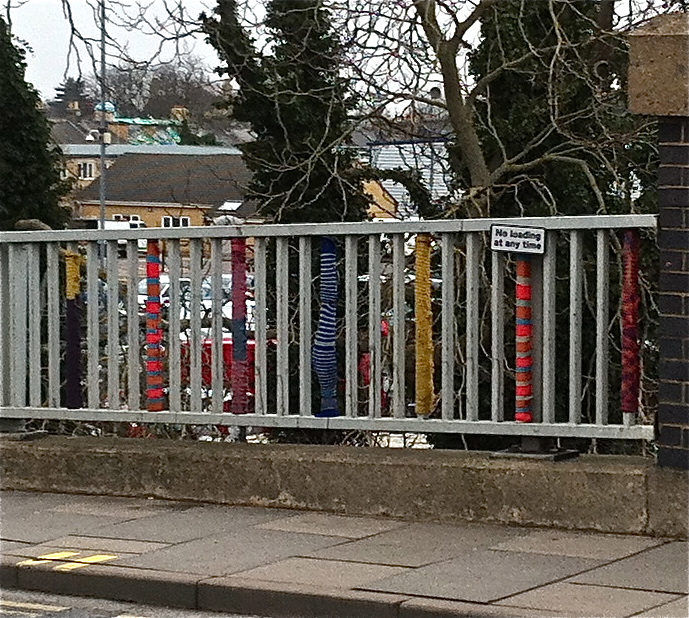
And the second puzzlement? Knitted jackets for railings??! IMG_0946_2 IMG_0946   IMG_0949 IMG_0953
IMG_0951

Catching up… and falling behind

Progress on one front is always balanced by a lag on another. The sun only shines at erratic intervals in the UK, you need to get out there and get to work. In the last two weeks we have reduced this DSCN7002to this.DSCN7095

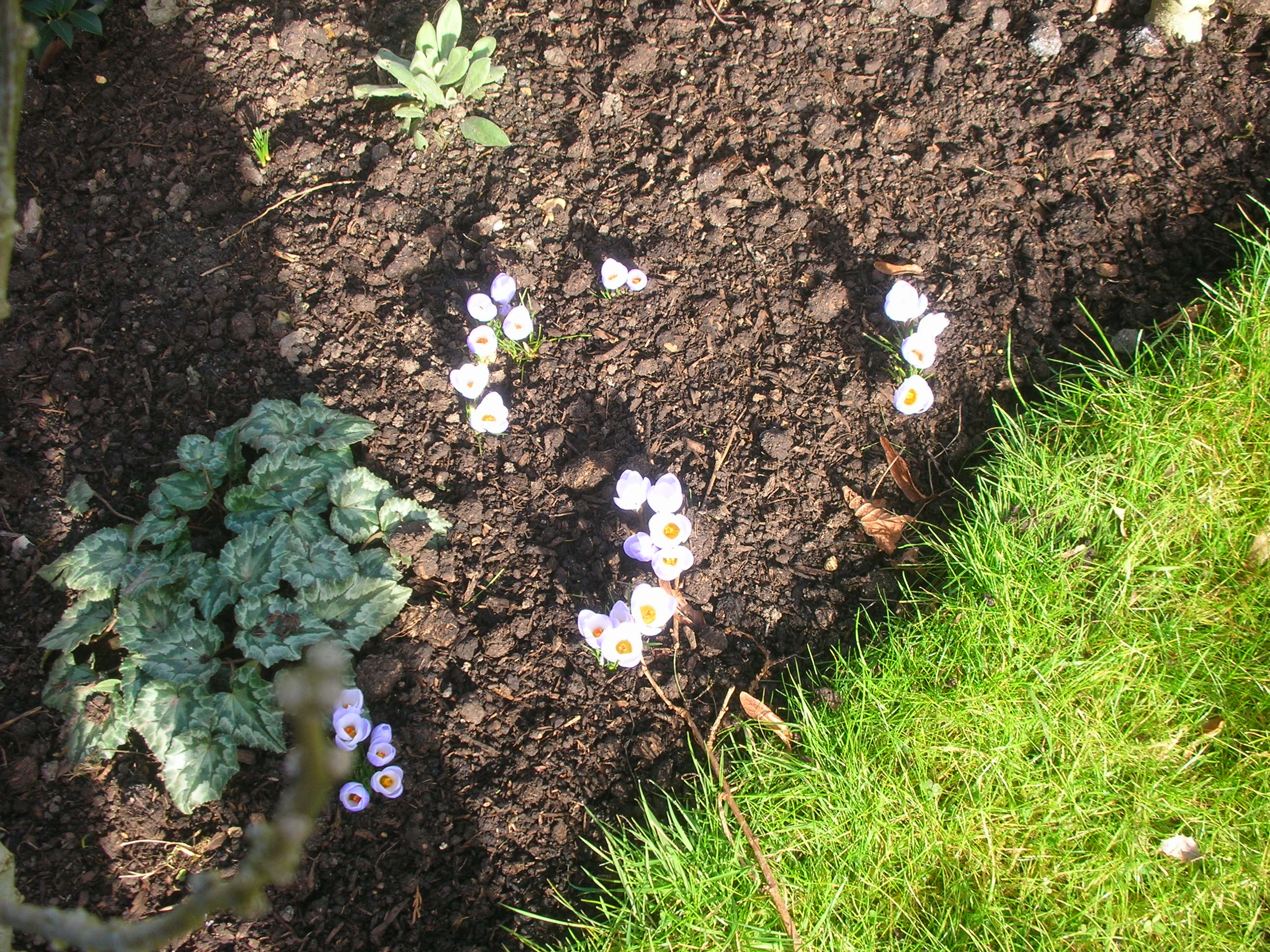
I have spread it round the garden and some parts are done (darling crocus – Blue Pearl).

DSCN7099

DSCN7068

Others are half done – the veg bed.

DSCN7100While others are hardly begun…
DSCN7073

The DIY is still pending. If you think watching paint dry is boring, trying watching plaster… DSCN7042  DSCN7107
And yet we have made progress in one room.
DSCN7079

DSCN7105

On the writing front Alison Williams has   added to her review of Border Line on Rosie Amber’s site, by giving me an interview on her own. https://alisonwilliamswriting.wordpress.com/2015/03/04/rbrt-author-interview-and-review-hilary-custance-green/ and I have done some work on my Far East POW book.

Meanwhile the drizzle of emails has reached blizzard proportions, but the sun is shining and I must get out.

Tomorrow garden, writing, DIY or blog and email catch-up? I’ll have to roll a dice, check the colour of the sky or design a grid to show which is most urgent. This appeared two evenings ago. DSCN7058

Poetry, prose and everything between

I have been, as is my unwise habit, reading four very different books, if not simultaneously, then turn and turn about.

Of these the one that gripped me most was Sarah Hesketh’s The Hard Word Box – a poet’s exploration of dementia and ageing. DSCN7047 - Version 2In a mixture of poetry and verbatim interviews, Sarah tracks the 20 weeks she spent visiting people living in a residential care home. In spite of their struggles with words, individual personalities emerge strongly. You understand that even as the brain fades, life experiences remain, such as the bullying Angela suffered at the hands of the brothers she adored. This slim volume takes you into worlds that most of us imagine to be impenetrable. There is a deftness and grace about the way she has done this that I admire greatly.

DSCN7045_2 More poetry, this time the 27th anthology of the Highgate poets. This collection is varied, entertaining and often moving. Among the many poems that I enjoyed are  Paul Stephenson’s Feel Good (Gone Viral) for instance, or Robert Peake’s The Knowledge, these gave me exactly that kick of recognition good poetry gives with a delicious last line. Mary Hastilow’s poems, By the Lea with Clio, To My Brother and Thin Skin, took me to emotional places I could recognise very well.

My third book is a novel, it is fiction and has an engaging Screen Shot 2015-02-24 at 19.12.57story about family relationships, yet the wonder of this book is not the narrative, but the setting. Cinda MacKinnon’s,  A Place in the World takes us to Columbia in the latter part of the last century (which feels like yesterday to me). The story follows a young American girl with a peripatetic childhood who marries a Columbian coffee farmer. It is the life on this remote coffee farm in the cloud forest that kept me turning the pages, as the weather, the volcanic ash, the market and the politics of the region during those volatile years played havoc with the crop. The intricate, natural beauty – and the dangers – of the cloud forest, the slow pace of modernisation and the cultural differences between the Columbian and the American outlook make for absorbing reading.

DSCN7050Finally Richard Flannagan’s, The Narrow Road to the Deep North, also a novel, also fiction, is a book of two worlds. The life and romantic relationships of a man before and after the WW2 and his incarceration during WW2 as a prisoner of the Japanese on the Burma-Siam railroad. For me there was an imbalance not so much between these worlds, as within each one. The scenes on the railroad were shockingly believable (and this is an area I have researched and read many first-hand accounts), and I could also accept the after-effects of this experience on the man. However, the brave attempt to get into the mind-set of the Japanese guards on the railroad and of their life afterwards, I found unconvincing and overdone in places. Similarly, the pre-WW2 romance left me unimpressed, and although I could readily believe the stresses on the postwar marriage, I could not believe in the thoughts and outlook of either of the women involved. Finally, I found the endless ruminations of several characters just a little… overindulgent? However this is a marathon of a book in terms of content.

Happy author gets review

Reviews are rare and wonderful things… as in someone has read all those words that you juggled with and let fall onto the page in what you hoped was the right order. When the review is from someone professional, that you have never met and they reach for the heart of your story… your cup runneth over.

I am thrilled by this review of Border Line on Rosie Amber’s book review site by Alison Williams.

Print cover

Print cover

eBook cover

eBook cover


Amazon UK continue to confuse me. Border Line appears under its eBook cover and you can find, and buy the print version (for £8.50), by clicking through to it. However, they also show the print version separately priced at… £22.50… !?%$£@!?


For M-R https://rosieamber.wordpress.com/2015/02/21/rosies-book-review-team-rbrt-alison-reviews-borderline-by-hilary-custance-green/

Reader, I met my readers.

Almost the first question an agent or publisher asks is who are your readers? I can’t be the only writer who fails to conjure up a collective market-speak noun for the person who has just turned the last page of my novel with (I hope) a sigh of satisfaction.

The people who read, and give me feedback, are people who know me. They have read my books because they are kind friends or relatives, fellow-writers or new online friends. They are male and female, aged 16 to 90, and include a wide spectrum of interests and incomes. As a writer I could not survive without these people, but they are not the distinct target group the agent or publisher is looking for. What is more, I really didn’t know who else in the world, would want to read my novels… but I got lucky.

In December I wrote about the moment when dreams and real life coincided (Writer (almost) faints). I met a reader totally unknown to me who loved my second novel, Unseen Unsung, and so, apparently, did her book group.

Last night I was the surprise guest, invited by this reader, to a birthday meal for a member of her book group. So I met Tracy, Susanne, Janet, Sarah, Marie, Tracey and Judy (who couldn’t stay to the meal).  My presence was for the fun of it, I didn’t have to perform, or sell myself, I was able to eat, relax, and discover who my readers were as people.                   IMG_0938 IMG_0926                           Tracy                                                      birthday girl Suzanne (Goldie)IMG_0933  IMG_0939 - Version 2   Janet                                                        (left to right) Tracey, Marie and Sarah

So what, if anything, makes Tracy, Susanne, Janet, Sarah, Marie, Tracey and Judy a group. They were vibrant, funny, unsentimental, open and tolerant people. Their energies and concerns were first for their family members, then for each other, and after that any individual in their orbit who was in need. In doing all this they also looked after themselves and made their own fun. They worked, played and read widely. In every other sense each was a distinct personality. We were in Tracy’s house, her mother was upstairs, recovering from an operation, her father appeared from time to time as did a fifteen-year-old son, an undergraduate son and her husband (and there was a daughter elsewhere). Apart from her own spaniel (?), she was temporarily caring for a couple of pugs to help a friend.

The Chinese proverb runs – Women hold up half the sky. These women were certainly holding up more than they share share of the sky and I feel all the better, as a writer, for being their choice.

Tackling the writer’s To Do list

Finally, I have faced the list on my desk. Actually this is a rolling list, I tick off some things, then as the page fills up, I start a clean sheet and roll the undone items forward. Some things have been there for months because… they are all to do with marketing and I find them somewhat embarrassing.

Today’s task was to wipe out the list so, among other things, I have joined goodreads.com, and I have accepted an invitation (which may by now have lapsed) to be interviewed as a Sunday Guest on Smorgasbord – Variety is the spice of life. I have ducked on asking my old college if they want to do a piece on my last novel in their newsletter (previously another person has done this on my behalf and I lack the chutzpah to ask them myself). I will do this for my forthcoming, more academic, non-fiction book. The list is now empty.

Why, oh why is this so difficult?

I have spent a happy three weeks doing DIY, lining our 9″ solid brick walls with 4mm fleece, doing really tricksy measuring and cutting.DSCN6936 DSCN6939 I have the fortune to be able to choose what I do. I could be happy all the time, gardening, doing DIY, reading, going Lindy Hopping, or to the opera and I have endless other occupations, so why write, publish and have to market books? Do I think I have something so important to say that others have not already said? (no) Would I become bored after all without the writing? (possibly) Would I think less of myself if I didn’t attempt this challenge? (probably). Do I secretly enjoy it?… Actually, no secret, I definitely enjoy parts of it. I love the challenge and the project aspect of the work (that’s another whole post). I just hate marketing…  (Enough of the confessional).

While I was thus occupied, winter made its usual erratic visit to the UK. DSCN6985 DSCN6986 We may get another few inches tomorrow, or it may all have disappeared. Who can say.