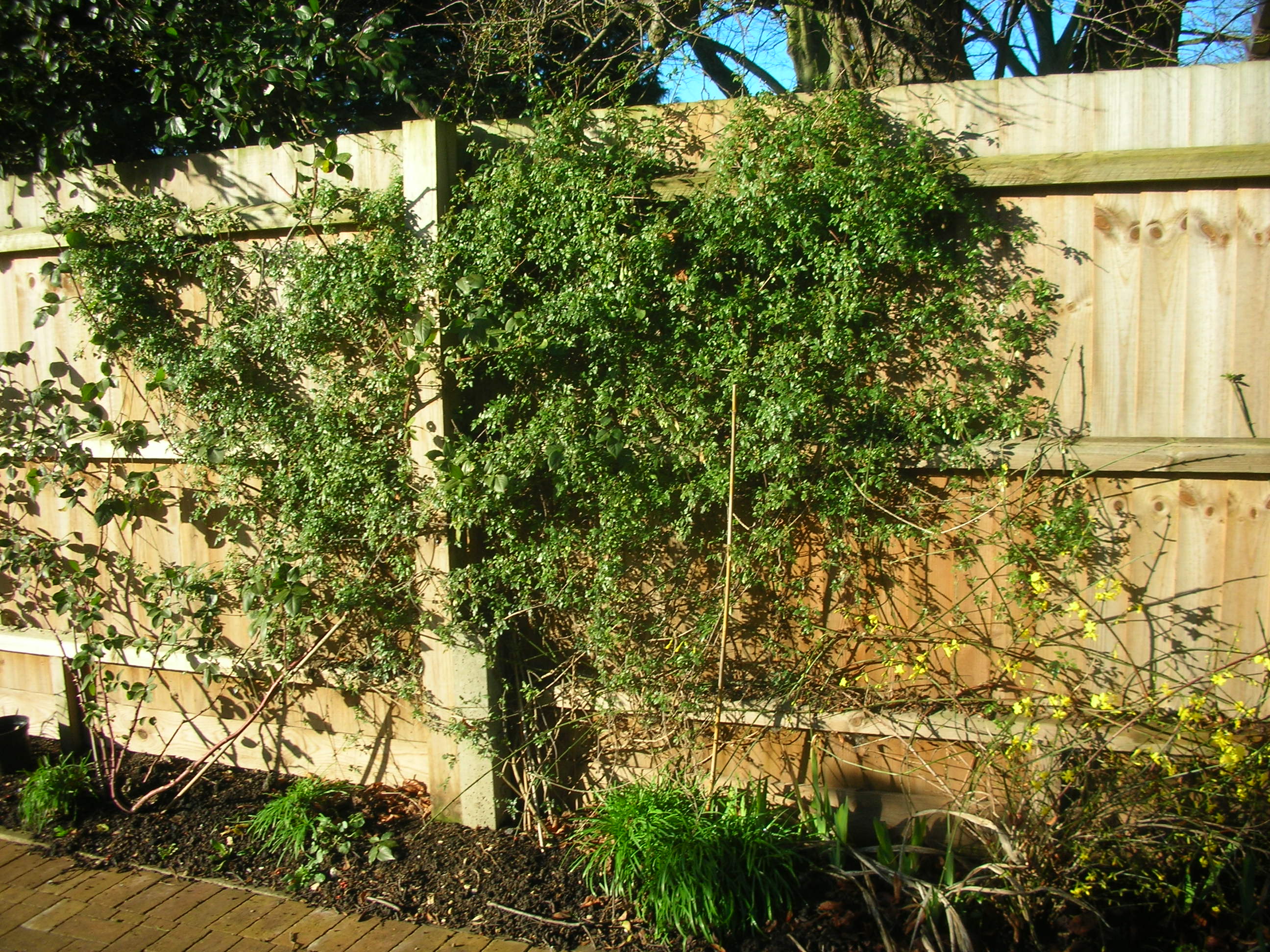
clematis balearica
I know it is too soon to get excited, but this evergreen clematis is covered in silvery buds.
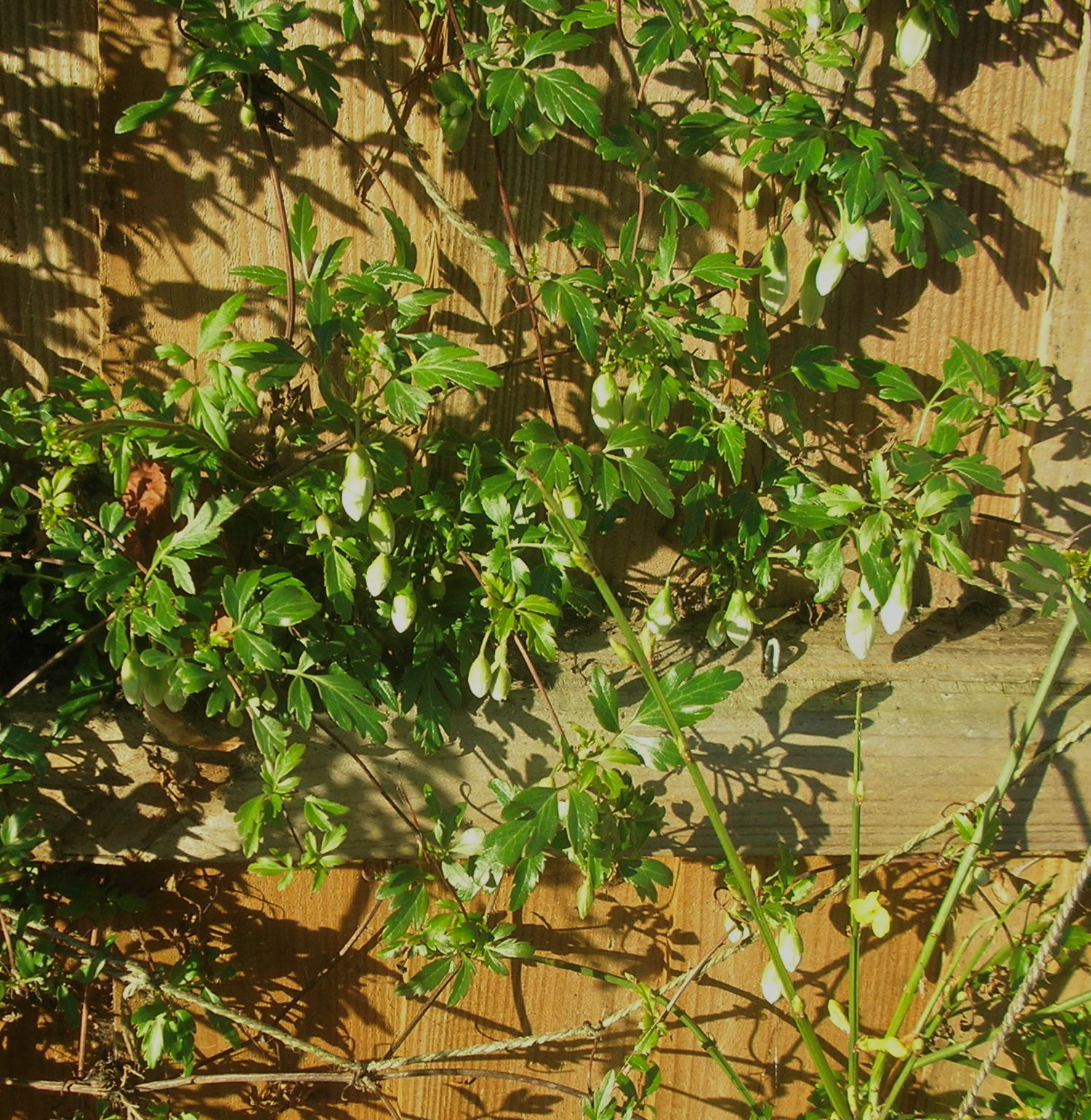
clematis balearica
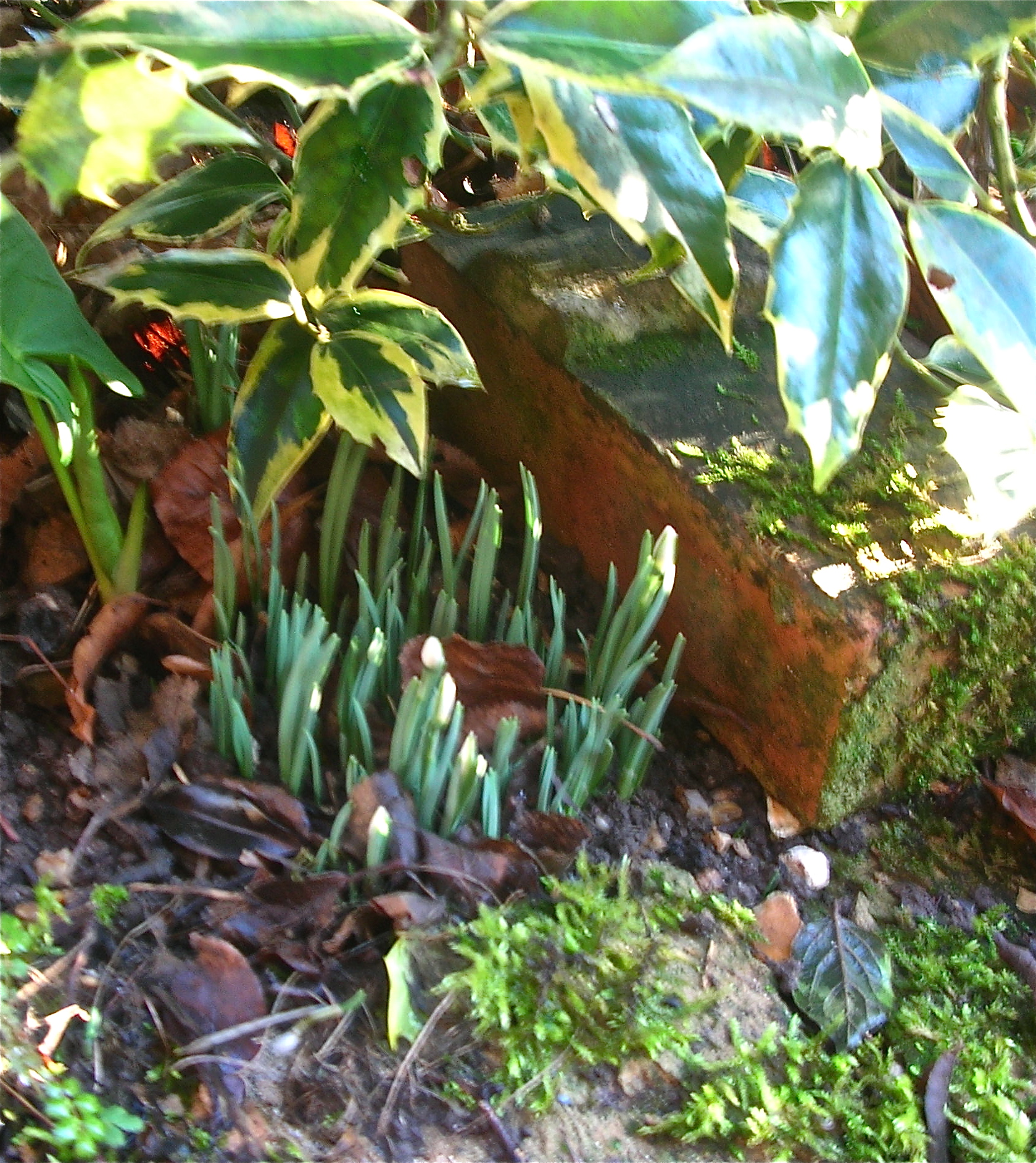
And there are snowdrops beginning to open all over the garden.

clematis balearica
I know it is too soon to get excited, but this evergreen clematis is covered in silvery buds.
clematis balearica
And there are snowdrops beginning to open all over the garden.
Tucked into one of the books on Barry’s shelves about Far East POWs was a little photocopied leaflet of 1998, being re-issued for ‘X’mas 2000’. It starts:
I am one of the persons who had seen the event about the railway construction from Kanchanaburi to Myanmar during World War II when I was 19 years old, 1941. As a saleswoman at Khao Chon Kai (Chungkai) War-prisoner Camp.

page 1 of Lulu’s story
Her name was Lulu Na Wanglan and she tells her story, explaining that even after 50 years, ‘I dreamed of those war-prisoners before I started to wright.’. She supplied prisoners until she had ‘no more capital to trade or sale goods.’ At this point she was given some money, probably by the local underground, to continue supplying prisoners. She was suspected of spying by the Japanese and warned by Mr Bunpong (Boon Pong) in time to escape. The prisoners thought she had been shot (confusing her with a brave French spy, ‘Lulu’ who had been killed by the Japanese) and they missed her. After the war UNO staff painted Lulu on their vehicles. Prisoners remember her in their memoirs.
Boon Pong (Boonpong Sirivejjabhandu) was a Thai trader whose sympathies were aroused by the state of the prisoners. In early 1943 he became the interface between the V organisation and the prisoners. The ‘V’ organisation was run by an interned British man, Gairdner, with a free Thai wife, Millie, and many free business connections. Many others were involved and as the prisoners’ conditions worsened they raised large sums of money on loan. Millie was among the those who dared to risk passing money and drugs directly to prisoners via the many POW lorry drivers.

Boon Pong Sirivejjabhandu
The upriver camps had almost no supplies of medicine and very little food, especially higher up-river where barges could not go. Conditions became dire beyond imagining and their only source of relief was the money and drugs that Boon Pong managed to get to them, acting always as a legitimate trader. He also obtained and supplied ‘Canary Seed’ (radio batteries), if the Japanese had discovered this he would have been tortured and killed. There were other traders, but his prices were lowest. He worked the length of the river, but after the railway was complete and the men poured down-stream in vast numbers to the big base ‘hospital’ camps, his role became even more crucial in saving lives with supplies of food and medicines and even violin strings.
In a story by Brian Brown of the Royal Signals in Beyond the Bamboo Screen (ed. Tom McGowran) he quotes another POW saying the Boon Pong’s wife swam their camp moat at night with medical aid round her neck. The effect on morale of the efforts by this family were incalculable.
Australian Surgeon and POW, Colonel Weary Dunlop, kept a diary. 25 October 1943 reads: The hospital today obtained some most useful drugs and money *. The footnote reads: By grace of that magnificent man, Boon Pong. His entry 30 December 1943, A Valuable supply of drugs and 3,000 ticals [this was due to the wonderful services of Boon Pong, the river trader]. And so on.
In the aftermath of the war in September 1945, Boon Pong was shot outside his shop in Kanchanaburi in front of his wife and father. Julie Summers in her book about Colonel Toosey, The Colonel of Tamarkan writes:
A British officer, …Captain Newall heard the shots and rushed to the scene. ‘He had been shot through his neck and left arm and he had also been shot clean through the back. There was a large hole in his chest where the bullet emerged and spent itself. He looked up at me. “Thai police kill me.” That was all he said.’
A British medical team gave him blood transfusions and operated on his wounds and, amazingly, he eventually recovered. In 1947, Colonel Toosey heard that Boon Pong, now running a bus company, had got into financial difficulties.

Bangkok
Toosey asked fellow prisoners to contribute and they raised £38,000. Boon Pong’s company became successful and his sons now run it. He received the MBE in 1948. He is popularly supposed to have been awarded the George medal*, but Clifford Kinvig in The River Kwai Railway, says there is no official record of this.
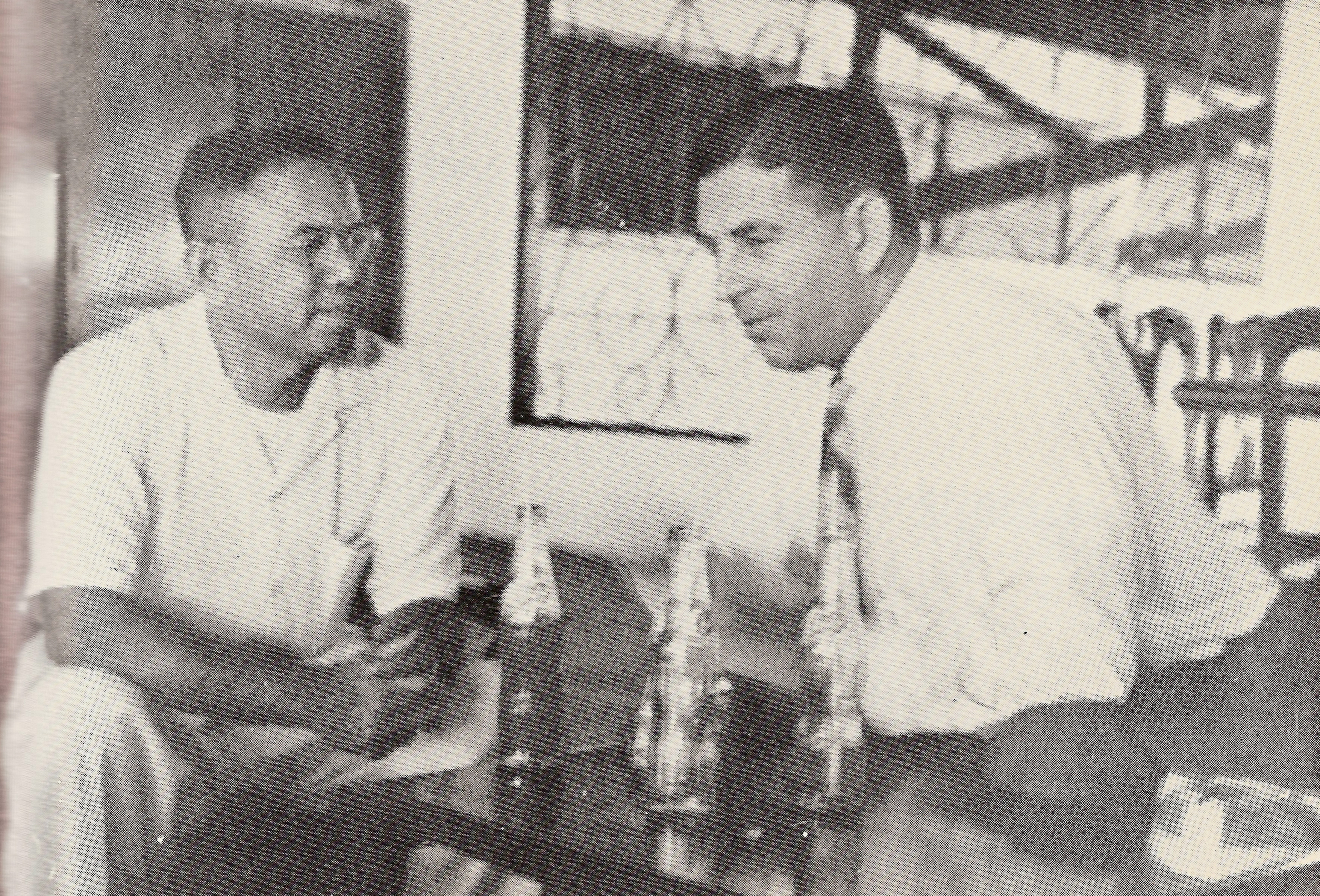
Boon Pong and ex POW in his shop after the war
He died in January 1982 and in 1988 The Weary Dunlop Boon Pong Fellowship (http://www.surgeons.org/member-services/scholarships-awards-lectures-prizes/international-scholarships/weary-dunlop-boon-pong-exchange-fellowship/) – an Australian exchange fellowship for Thai surgeons, was set up.
Boon Pong is remembered in many memoirs and I have only given a rather scrambled outline here of his contribution to humanity. I apologise for any errors.
*Edit 21/7/20 The only award Boon Pong actually received was ‘the King’s Medal for Courage in the Cause of Freedom, a rare and most prestigious decoration. He was also made an Officer of the Order of Orange-Nassau by the Dutch’. Thank you Nick Metcalfe http://www.nickmetcalfe.co.uk for this information.
As often happened in the course of 1943 and 1944, the theatre in Chungkai Camp was shut down for a period, because a production had offended the prison guards. During one of these periods Barry remembers:
With the closure of the theatre, I rejoined the group of volunteer orderlies in the ulcer ward and here met Dr Jacob Markowitz for the first time. For some months more and more men with large infected ulcers had been arriving at Chungkai from up-river camps.
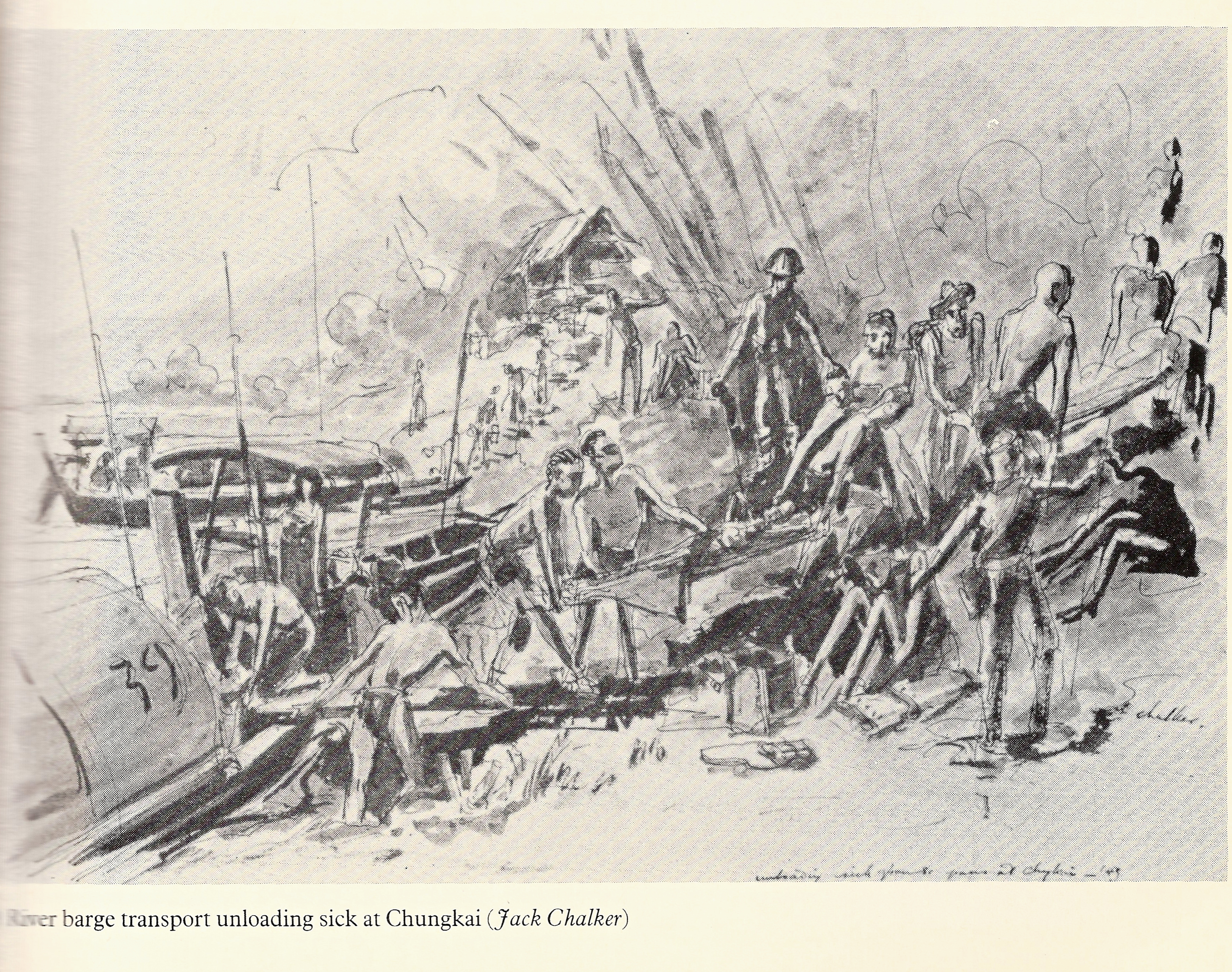
These ulcers were nearly all in the legs and were caused by scratches from the thorny bamboo, which like most wounds in the jungle soon became infected and ulcerated. The doctors decided that when an ulcer patient had a life expectation of not more than a fortnight then the limb would be amputated.
The doctors had a supply of Dental Cocaine and this was used as a spinal anaesthetic, very suitable for leg amputations. As I worked up and down the ward with the other volunteers, cleaning and dressing the ulcers we would regularly be asked “Will it be my turn soon?” Most of the men were anxious to be freed from the misery and pain of an ever-growing ulcer, and were prepared, even anxious, to undergo the risk and pain of an operation.

I worked for a short time as a member of Dr Markowitz’s team. My job was to tend a small fire under a cut-down paraffin can in which the instruments were boiled. We had, as I recall, two scalpels, a bone saw, and several retractors made from table forks. The operating theatre was in the open, without a roof as it was the dry season.
The area was surrounded by screens of rice sacks on bamboo frames. My job was to keep the fire going and to fish out the instruments with homemade bamboo tongs and to lay them on a piece of sterile cloth on a small bamboo side table.
There were no comforting pre-med drugs, so the patient was immediately rolled onto one side and one of Markowitz’s assistants inserted the needle into his spine and injected a suitable dose of cocaine. Marco usually had one or two doctors assisting him. When tests showed that the anaesthesia was satisfactory a very tight tourniquet was placed around the patients upper thigh or groin and the operation proceeded.
I believe about 80% of patients survived these operations, a great advance on certain death in a fortnight. Many of the ulcer patients would have preferred death to a continued endurance of their miserable condition.
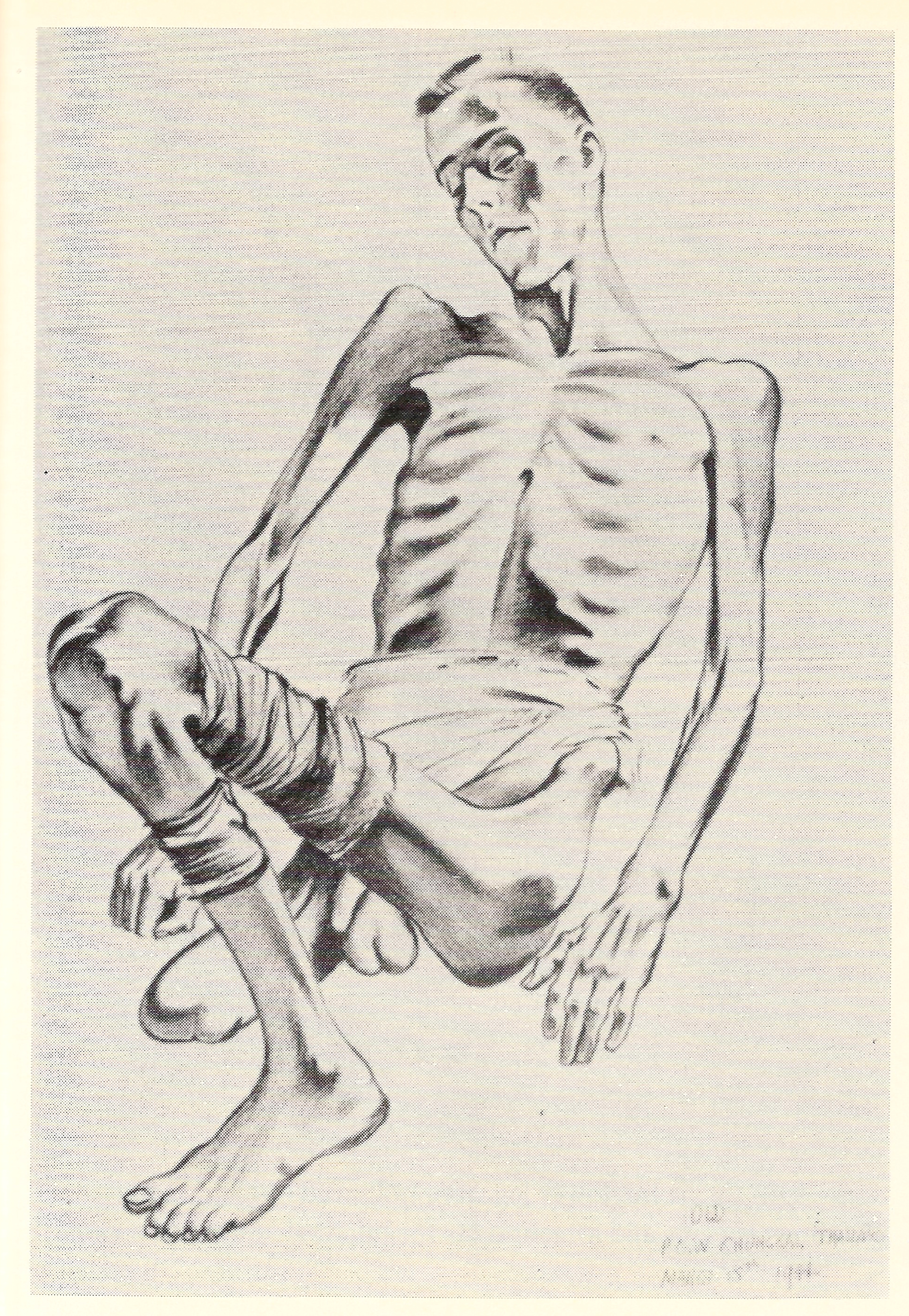
Extremely debilitated British soldier – amputation and multiple diseases, Chungkai. Recovered (Old)
There were no painkillers and the next few days must have been agonising after the anaesthetic had worn off. These patients, referred to as the “Amputs”, lived all together in a separate hut and no doubt comforted one another. By the end of the War most of the survivors were getting about on some sort of bamboo prosthesis.
Goods for these and other operations were supplied very secretly by Mr. Phi Boon Pong, a Siamese merchant and barge trader.
Boon Pong and other members of his family were crucial in the delivery of life-saving supplies through the underground to some of the camps. Many, many prisoners owe their lives to him.

Boon Pong Sirivejjaphand
Just a couple of pictures from last week.
Here in the East of England we have only had the tail end of the freakish high winds, tides and rain that have battered the West coasts of Britain and Ireland. This is one of the storms about to roll over us. The little river in our village is pretty full. 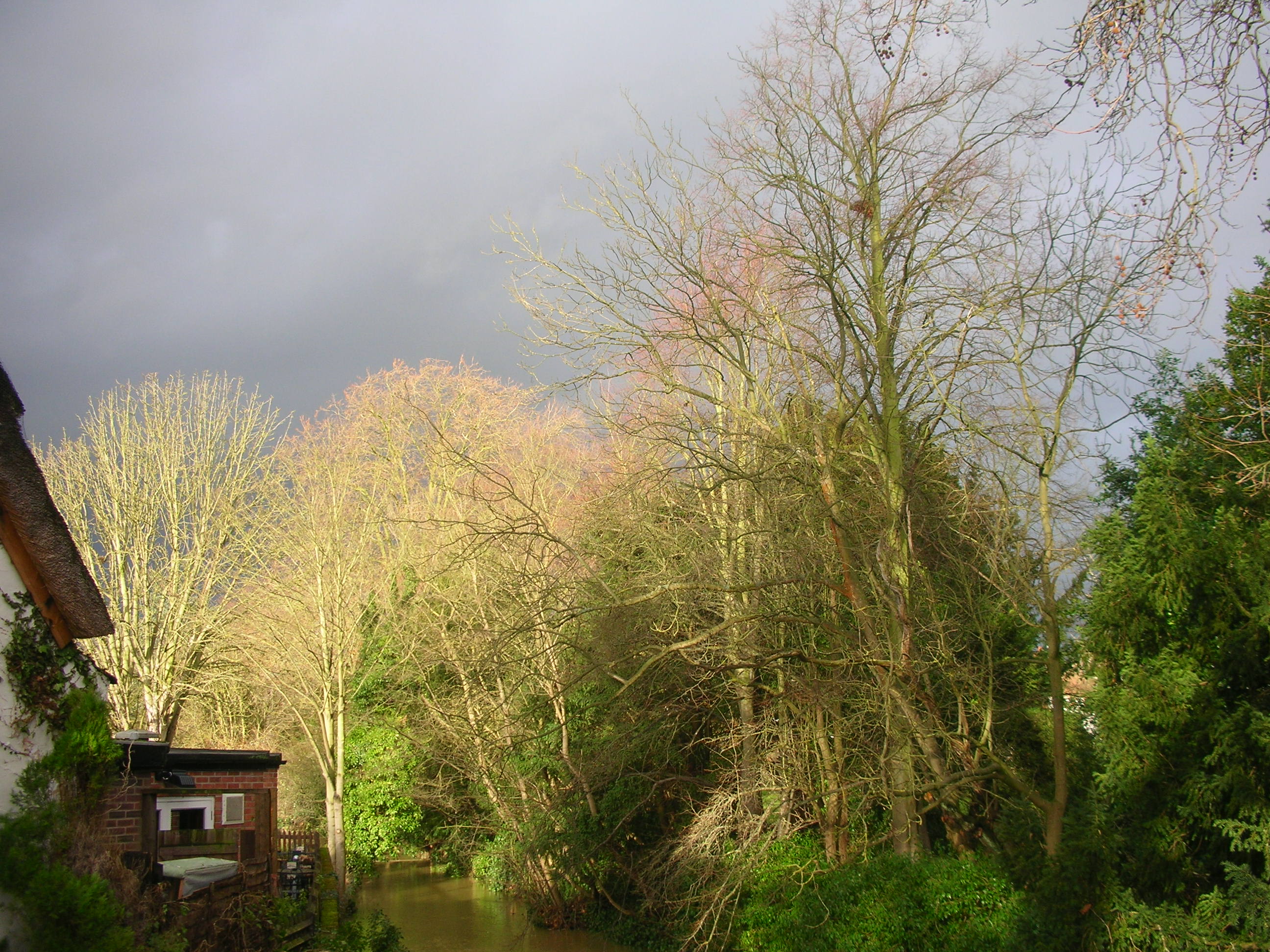
On the other side of the Atlantic, from where these storms are coming, our daughter was stranded by ice and snow for 24 hours in JFK airport.
In our garden we have some Iris stylosa. These charming flowers, which I took from my parent’s garden in Somerset many, many years ago, usually flower in ones, twos or even threes from December through to March. I have never, ever seen so many out at once.
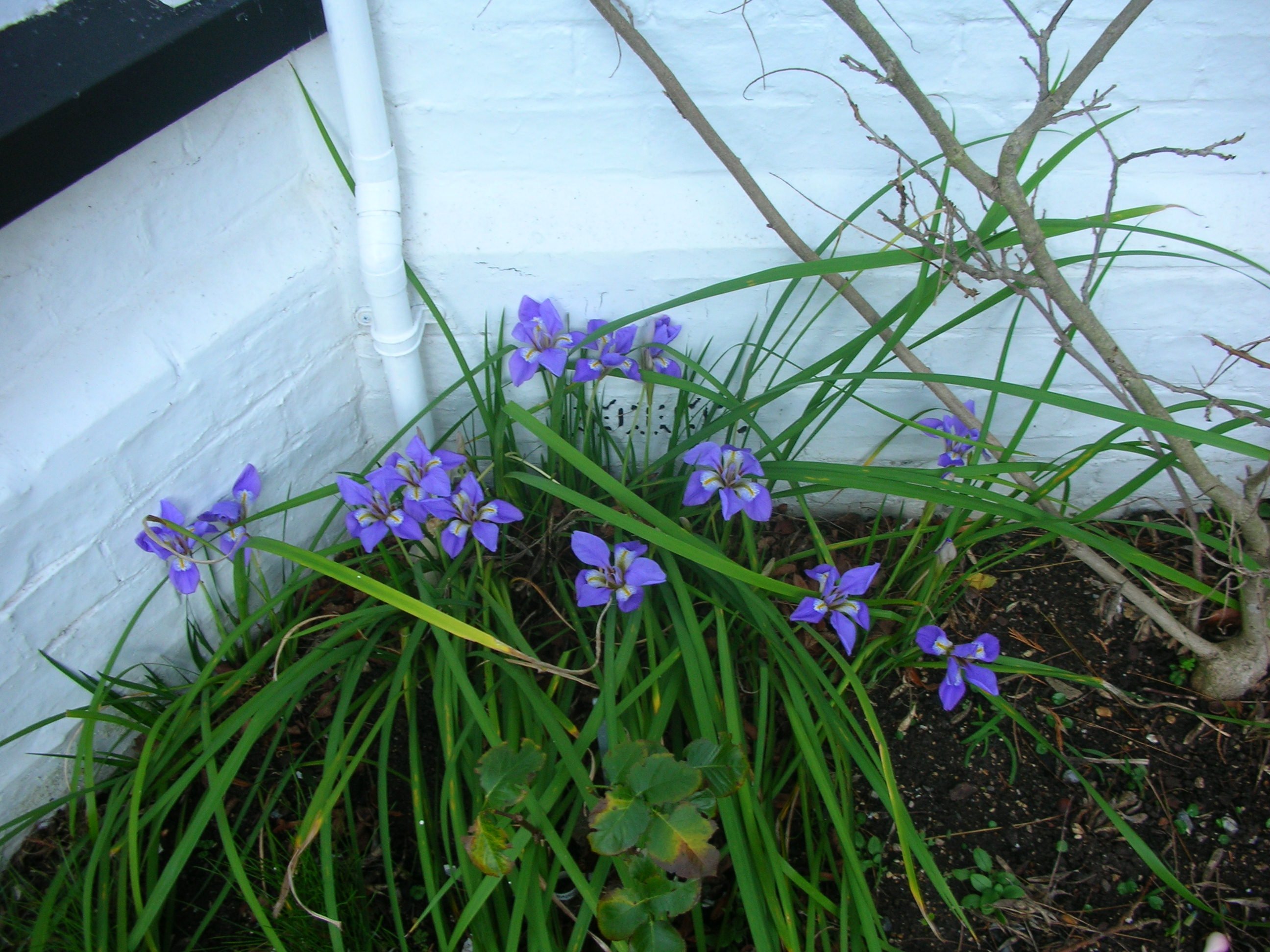
Iris stylosa
Two days after I took this picture, I was able to cut another half-dozen opening buds and there are many more coming through. Whether this is the outcome of the hot summer or the mild winter is uncertain. Either way our small corner of the world is warmer than it has been so far in my lifetime.
Today I finally stopped messing around (clearing my desk, catching up on household chores, dealing with emails, fetching logs, photographing sunsets), and got out the file of my novel Border Line, worked over the first chapters and made another submission. I nearly failed to jump the last fence as I feel the title needs changing after the shift I made in my last major revision. Then I decided I was rearranging the deck chairs, and pressed the Send button. The title needs to be right, but if the text is good enough it is unlikely to be the rejecting factor.
Looking for a new title took me on a very pleasurable, though off piste, journey through my poetry shelves as I followed the lead from Frost’s Stopping by Woods on a Snowy Evening, through Graves and Donne and back to Rehearsal (by Eleanor Green), which had been one of the original stimuli for the novel. I still have not found the title, but here are the first four lines of Eleanor’s poem and the reason why actor’s exercises became central to the story of Border Line.
Rehearsal
for an exercise
I look at his hands
to improve our relationship
onstage?
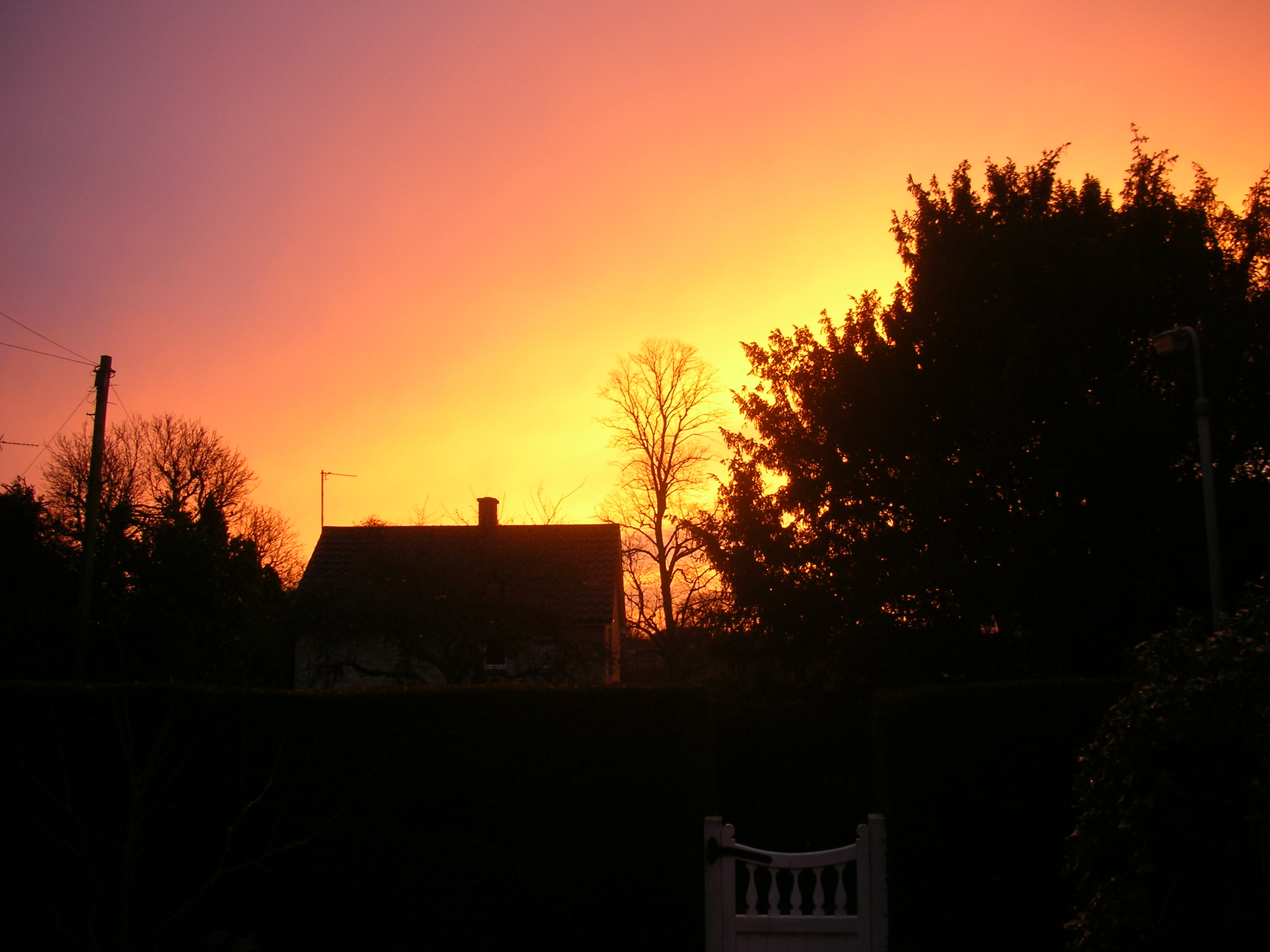

We wish everyone a cheerful, positive, industrious and satisfying 2014.
We were lucky enough to be invited to join dear friends for an evening meal on Christmas Day – our contribution to be a table decoration. As their garden is a quite spectacular evergreen forest, including redwoods, we tried to play on this theme.
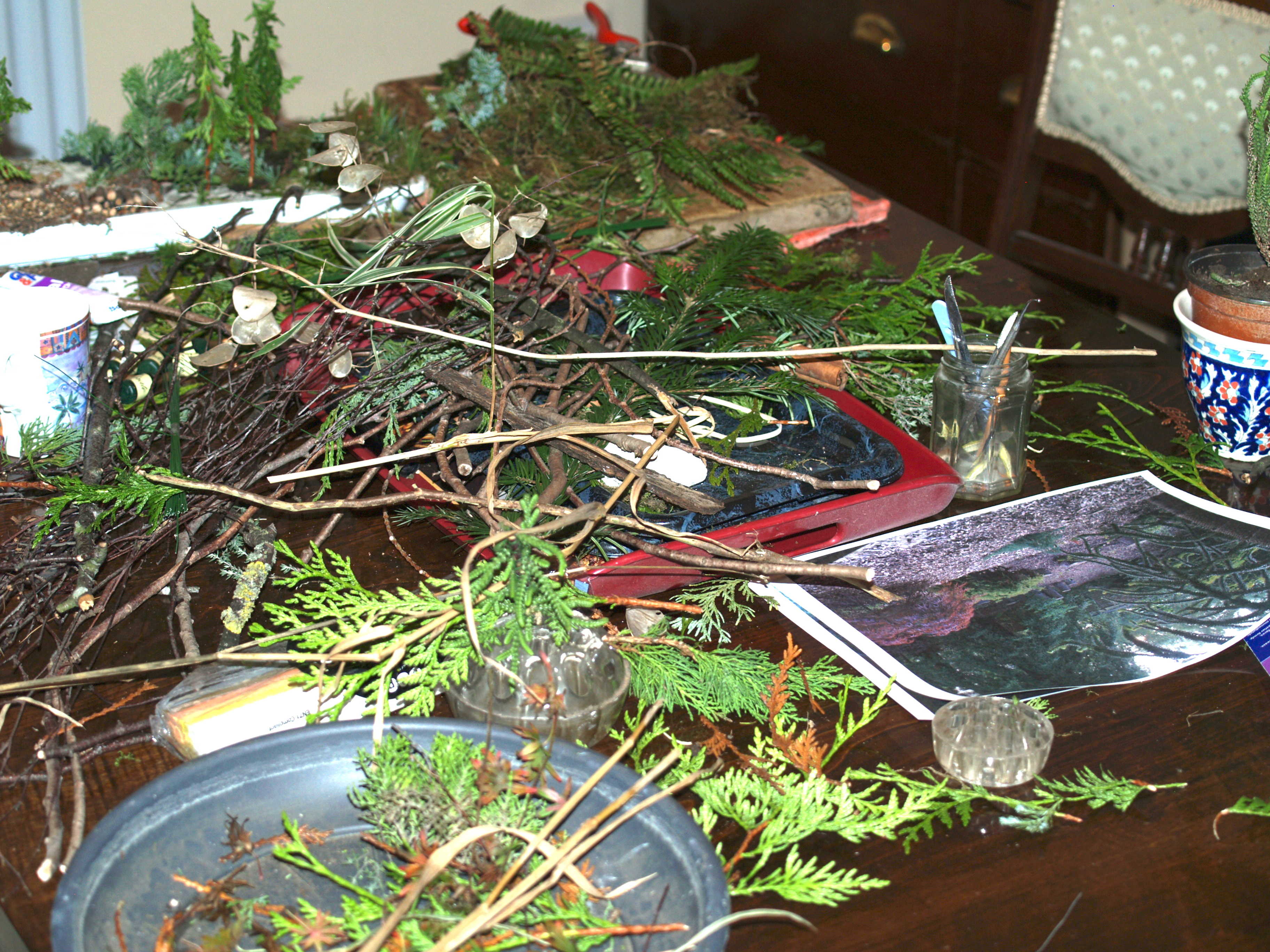
We had the most amazing fun.
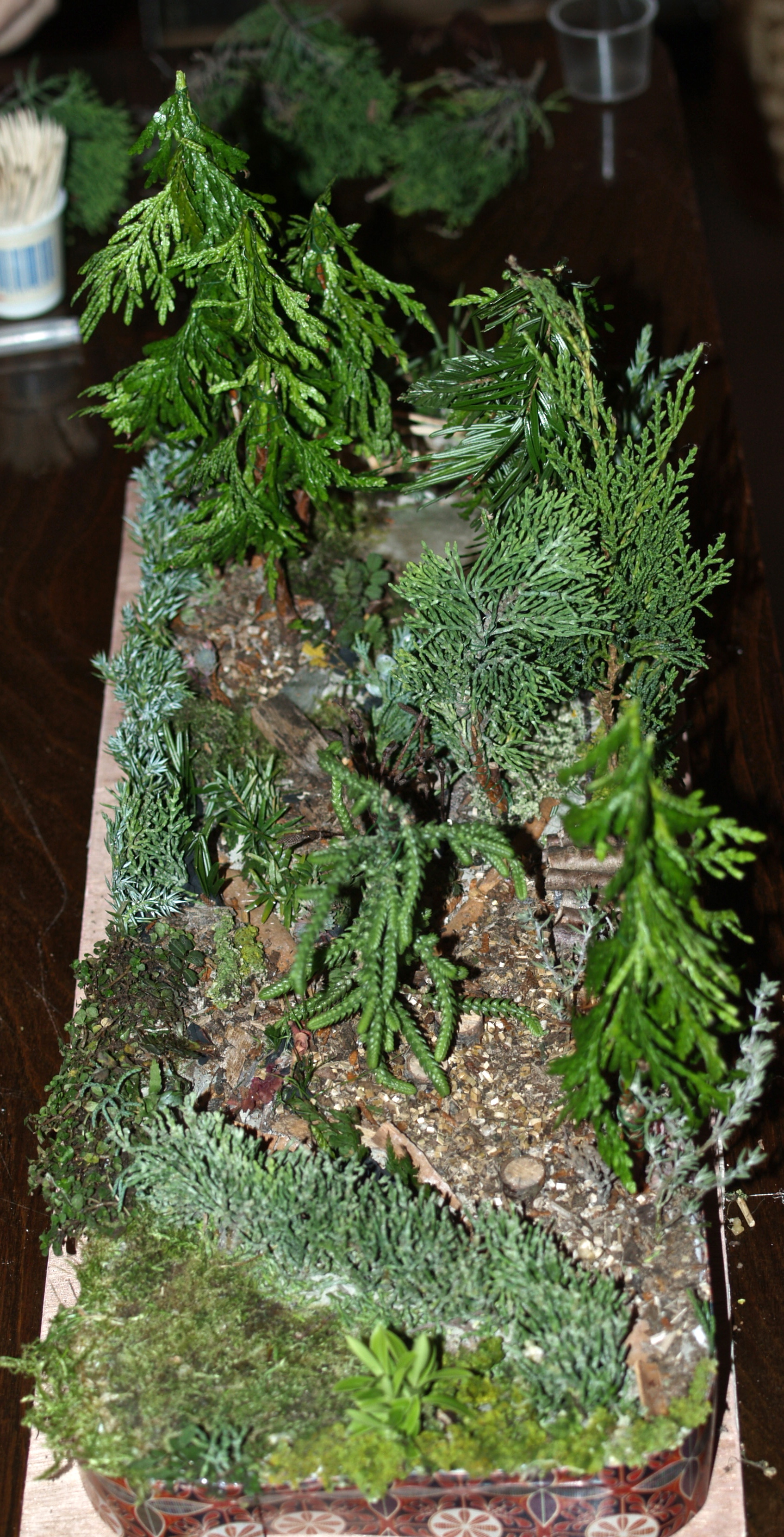

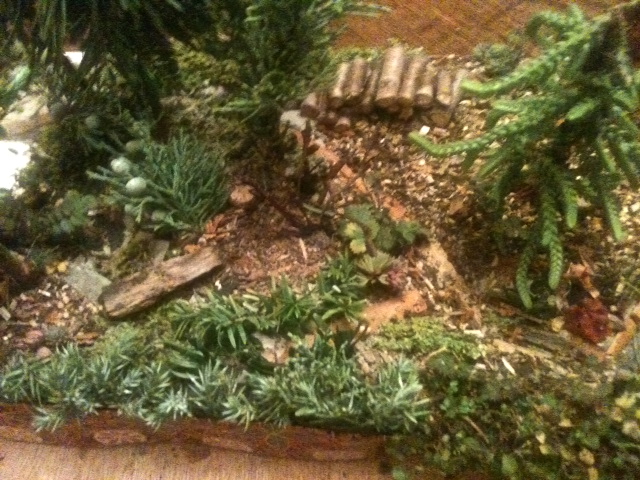

Followed by a meal to dream about for the rest of the year.
Barry and several of the remaining men of 27 Line Section were still In Chungkai Camp at the end of 1944. Barry was still involved with the theatre at this time. He recalls:
Towards Christmas 1944 I was back in the theatre with Leo Britt’s company… At Christmas itself with the help of Gibby Inglefield, who had been a choral scholar at St. John’s Cambridge, the stage carpenters built a set of choir stalls, which were set diagonally on the stage and lit from the front so that they seemed to disappear into the darkness of a chapel. On the night, one night only, the choir was placed in these stalls hidden behind a mosquito netting gauze curtain. A radio announcer with a microphone in his hand stood alone in front of the curtain and told the audience that a radio broadcast of carols from King’s College [Barry’s old college] would now be presented. The gauze curtain was raised just like a pantomime transformation scene and disclosed a group of choristers in white surplices lit up by our two Tilly lamps and little oil lamps disguised as candles, in a row of stalls which really did appear to stretch away into a dark interior. Members of the audience told me that the illusion of the interior of a College chapel had been very convincing and nostalgic.
All the men, captives and captors, never mind their religion or lack of it, were profoundly moved by this.
I have a faithful azalea, given to me six years ago and rarely without a flower. It has a long summer holiday in the garden and comes in for the winter. I brought it in about three weeks ago and saw that it had no flowers, and thought, never mind perhaps it just needs a season of rest. A few days later I was cheered to see some buds showing pink and now…

Another faithful winter companion is the Iris stylosa my mother gave me so many years ago. Once this starts, there is always at least one open flower all through the winter. I know I will be able to go out on Christmas day and bring in a fresh bloom.

 Chimamanda Ngozi Adichie’s Half of a Yellow Sun is a book with such a broad palette that it is difficult to know where to begin. I put it down feeling enlightened, chastened, saddened and satisfied.
Half of a Yellow Sun is both a novel and a history of the conflict in Nigeria in the 1960s with the rise and fall of the infant state of Biafra. It is a tour de force in both fields. The main characters cover the social gamut including educated middle class Nigerian, poor uneducated servant class and lost educated European, they all draw you in to their stories of love and aspiration and eventually the pain of watching their country die.
Adichie’s insight into human behaviour, her sharp observations of the many different ways people are foolish are very funny and totally believable. Her passion for the forgotten pain she and her countrymen and women have suffered is palpable. She teaches us (less well informed Europeans), without lecturing, to see beyond our assumptions about Africa (and indeed the lesson we are so slow to learn – that Africa is not a country). She shows us directly and simply and without polemic, the effects of Imperial occupation.
If I have made Half of a Yellow Sun sound heavy, I mislead you, it is the reverse. It is absorbing, witty, moving and a cracking good read.
 Green Writing Room