More is sometimes less in printers terms

I have learned something today. The manuscript I am close to sending to the printers has come to a total of 218 pages. I have decided to go for litho printing (minimum 300 copies) rather than Print On Demand, because this reduces the cost per copy. This in turn increases the chances of at least breaking even after subtracting postage and/or discounts.

So far so good. I get an estimate from the printers quoting for 216 pages. When I point out that I have 218 I am told it is either 216 or 224. It has to be evenly divisible by 8. I spend the day killing a few more darlings and re-setting the text. I am on the last few pages when I get a further estimate from the printers for both 216 and 224 pages.  The estimate for 224 pages is shown as a good £100 less than the 216. I thank them, say I want to go ahead with 216, but they have got their figures the wrong way round, and I finish resetting the text to 216 pages.

I get a further email explaining that:

 It would work out cheaper to produce the 224pp as this would consist of 7 x 32pp sections, whereas 216pp would have 6 x 32pp sections, 1 x 16pp section and 1 x 8pp section. The extra plates and folding in production would therefore make this more expensive.

Got it? I can’t face re-setting the text yet again, but I have added pages front and back with some lovely spaces to create an MS 224 pages long. I am a wiser self-publisher than I was this morning.

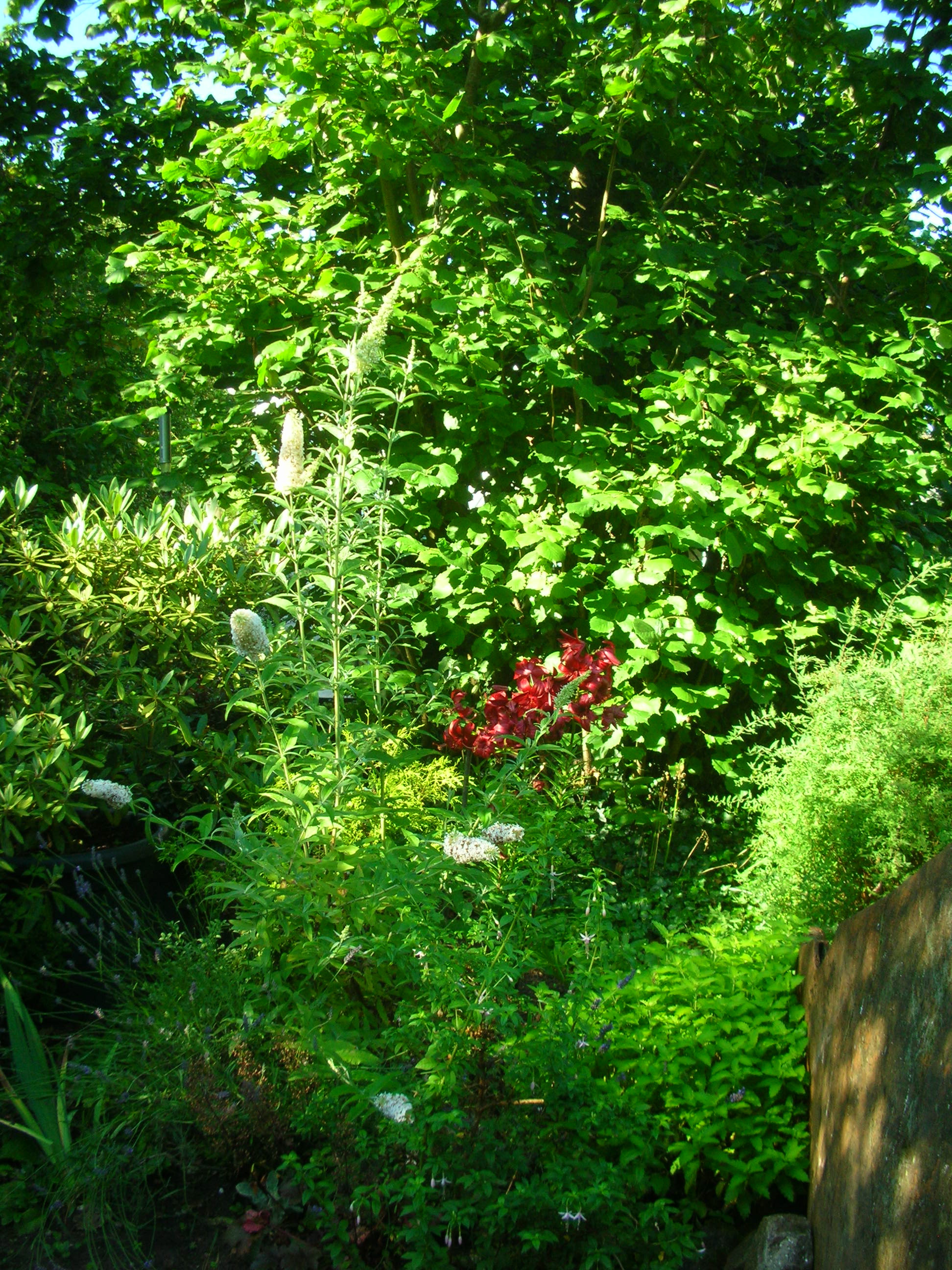
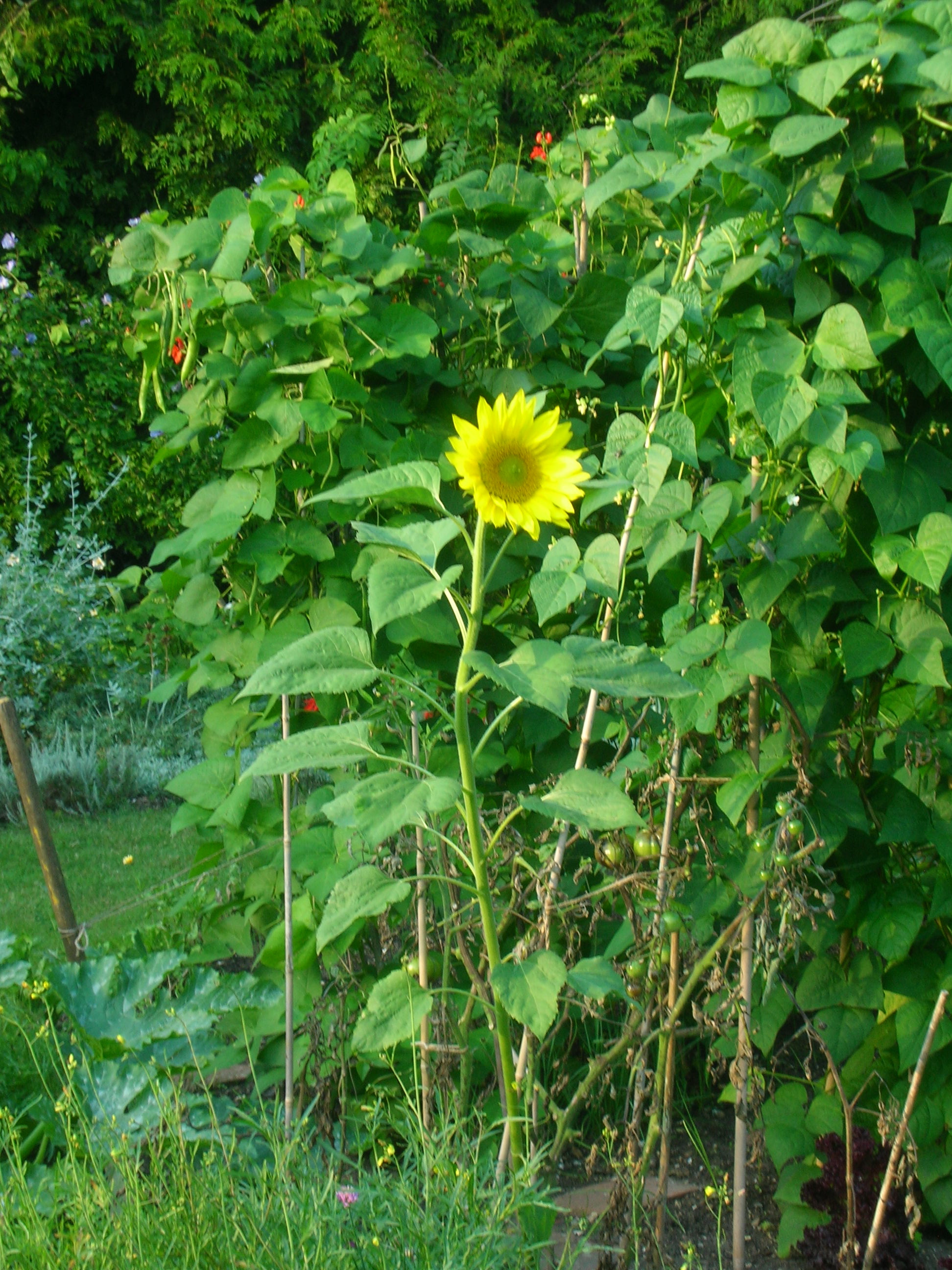
A sunny interloper in the vegetable plot.DSCN6281
A lovely cosmos Chocolate given to me in memory of a friend.
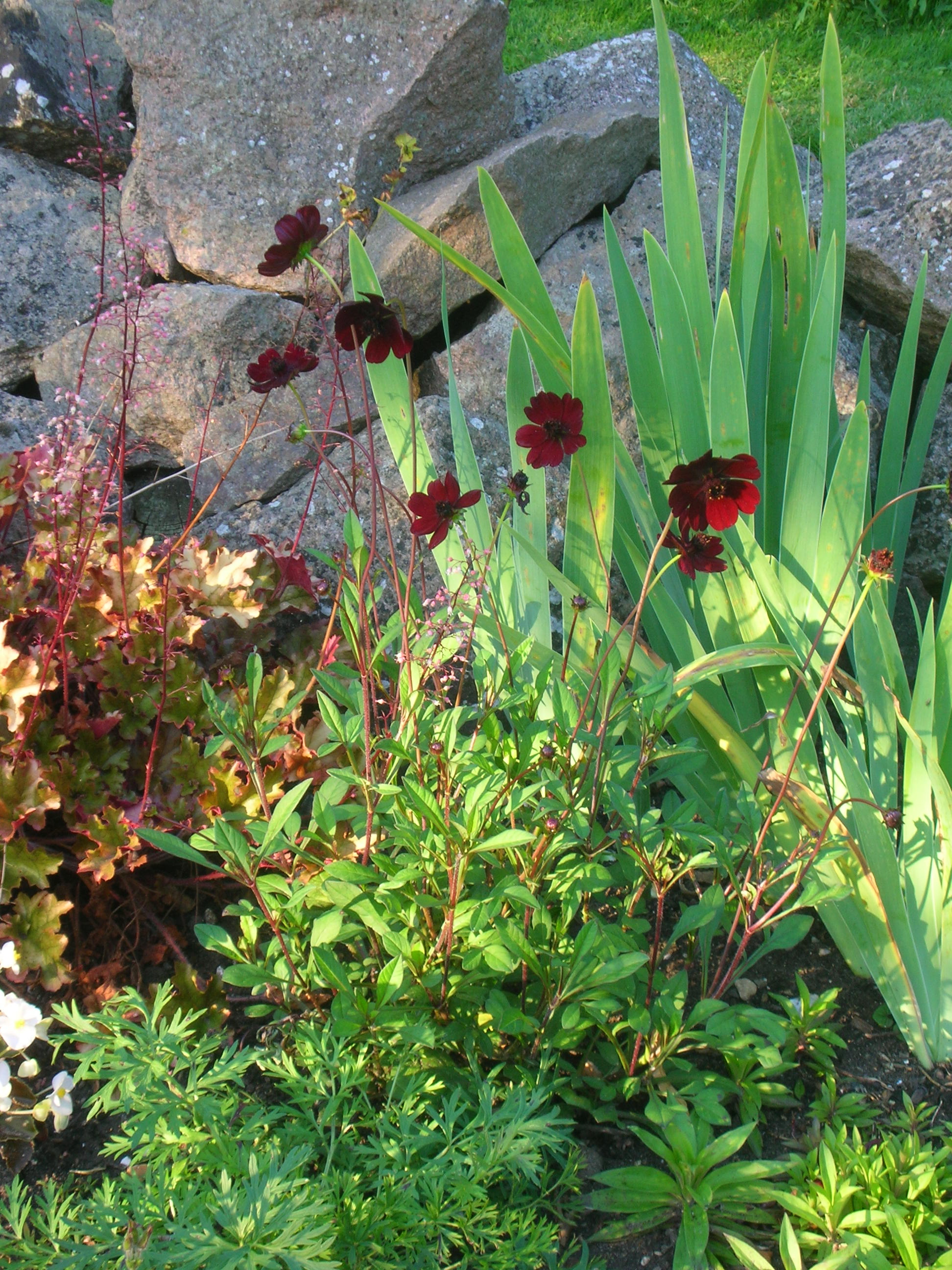
cosmos Chocolate
cosmos Chocolate



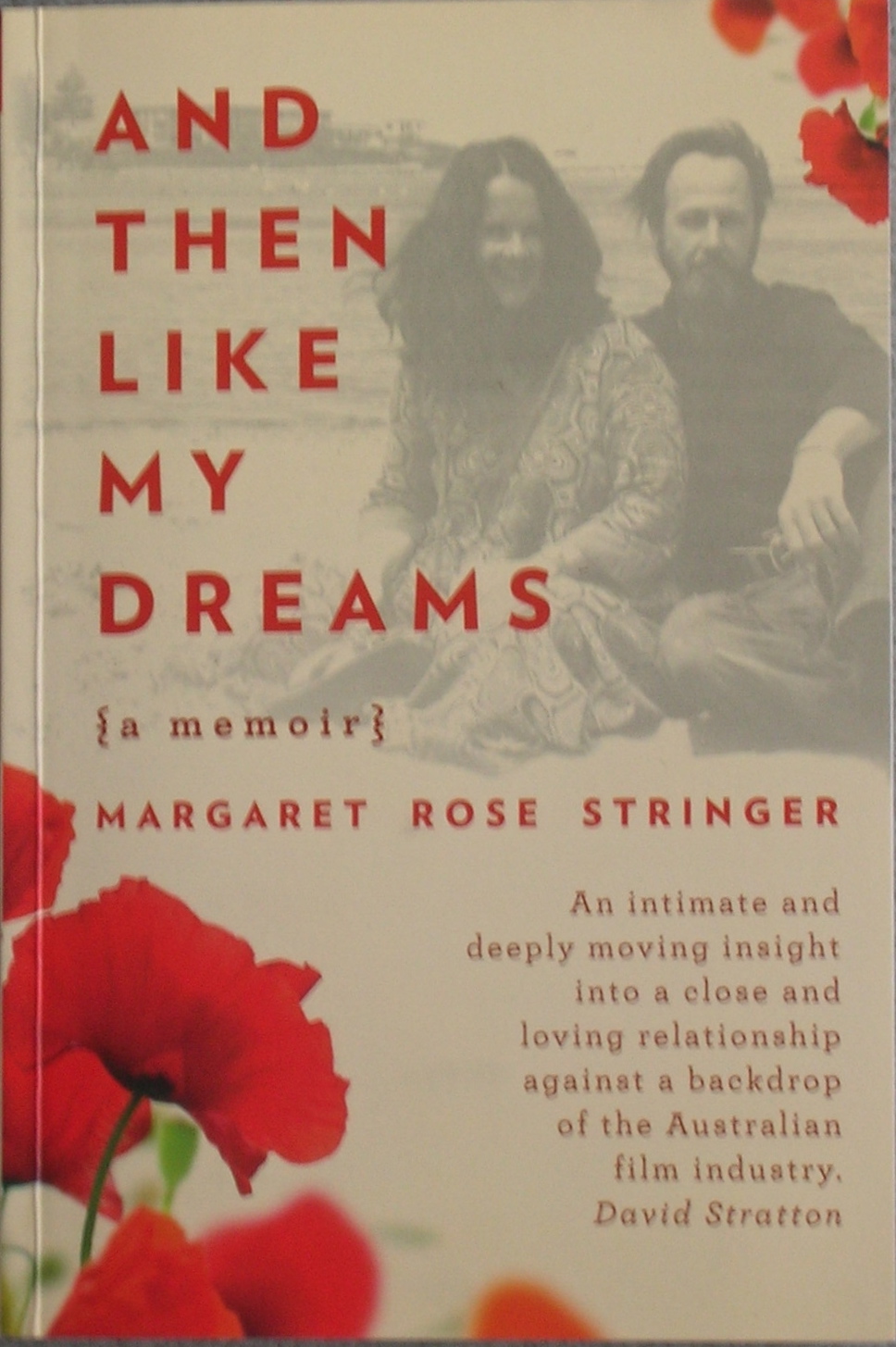
Book rave – And Then Like My Dreams {a memoir}

Last night I dreamed about a real person I had never met, Charles ‘Chic’ Stringer. I was, I think, on holiday with my husband and he took this lovely man’s hand very carefully, because we knew that Chic was now fragile… that’s all I can recall.

Chic is the subject of And Then Like My Dreams by Margaret Rose Stringer – a book like no other I have read. Entertaining, unique, breathtakingly honest, funny and heartbreaking, AND all true. In this story the blood, the glory, the coffee and the cream of love are so real it makes fiction and newspaper accounts look like feeble ghosts.

DSCN6248 - Version 2

The structure of the book is also unique. While it is told, like any other memoir, in the first person, Margaret Rose (M-R) and her beloved husband, Chic, inhabit the film world, so she slips regularly and seamlessly into screenplay mode. This gives the narrative a rare light and shade quality and is often used to hilarious effect. Footnotes are scattered throughout. Occasionally they supply further information, more often they are chatty asides, a personal reinterpretation of the truth and often very funny.

I have not even mentioned that half way through Opera (my personal rave) turns up. M-R and Chic live and love mostly in their home, Australia, but they also take four magnificent trips into Europe (where M-R clearly learns to speak French and Italian fluently, but fails to mention this strength). Food, photography, engineering, cats, language, France, Spain, Italy and Germany also feature.

There is only one ending to the book, as we know from the very start. Chic is going to die. We don’t want this book to end, but it continues to be gripping, and yes, even sometimes funny, to the bitter end. M-R wrote this book so that others would know about Charles ‘Chic’ Stringer, Stills Photographer, and never ever forget him. Her own larger-than-life personality flows over every page as does her love, wonder and grief. But she has succeeded; we will envy what she had and we will never forget Chic.

Little story – happy author

I started this blog, Green Writing Room, early last year. One of the first people I followed was a young music student from the Royal Conservatoire of Scotland, Charlotte Hoather. As she started putting up clips of her singing, I could hear she had a generous voice with enormous promise. In the following eighteen months I have heard it develop in strength and clarity. Charlotte is warm, dedicated, disciplined, thoughtful, with a wonderful supportive family and she looks lovely too. She takes on every challenge that comes her way. Her blog has rocketed in popularity and I have every hope that she will one day be on the opera stages of the world. She is already giving many people pleasure in concerts and competitions around the country.

Recently she came third in the Voice of the Future category of the Llangollen International Musical Eisteddfod. For the last of her three songs she sang one of her favourites, Rusalka’s Song to the Moon (Dvorak), and I feel great delight as I hear the development of her voice in this version compared to her earlier recordings.

Screen Shot 2014-08-06 at 07.30.02

Do listen to the final song on this video recording from the competition.

http://llangollen.tv/en/clip/c1-2/

Charlotte reminded me a little of the young man, Luca, that I had dreamed up for my novel Unseen Unsung. I thought her parents might enjoy reading the book. So, late last year, I made contact and sent them a copy. I did not expect Charlotte to read it, because she has a schedule that makes most of the rest of us look like sloths. However a few days ago, she wrote on my post about Unseen Unsung :

My last post didn’t come through don’t know why? Just wanted to say I love, love, loved this story, kept me guessing and intrigued all the way through. Really related to the story, loved the references to opera, good luck with the e-book promotion. Best wishes Charlotte 🙂

As Unseen Unsung had been originally been published in 2008 I was not expecting it to make waves as an eBook but this, along with other wonderful responses from you kind and generous readers out there have made this writer delirious with happiness.

Threadgold Press – lessons learnt

[This is a moan, so feel free to jump to pictures at the end]

One of the privileges of being your own publisher is being able to choose your own book cover. Over the last month I have really concentrated on this (actually since April, if I’m honest). Ignoring the Really Good Advice to pay for professional work, I have become intimate with the foibles of InDesign; my numerous attempts to create a cover now run to over 50 files.

I am exhausted and depressed, I have used up all my credit with my nearest and dearest, the garden is untended, the vegetable plot a riot of weeds and my in-tray is overflowing. Each night I have new ideas and each morning I start again expecting the perfect cover to appear under my hands. But it hasn’t, and I am now finally ready to compromise. My daughter, Amy, has produced something better than any of the ones I attempted and while I still feel, churlishly, that it is not what I had in mind, it is simple and beautiful and I need to stop NOW.

So here are a few more rejected designs (and they are not the weirdest):

BL cover tests29.pr BL cover tests32.pr - Version 3 BL cover tests26.pr BL cover tests21.pr

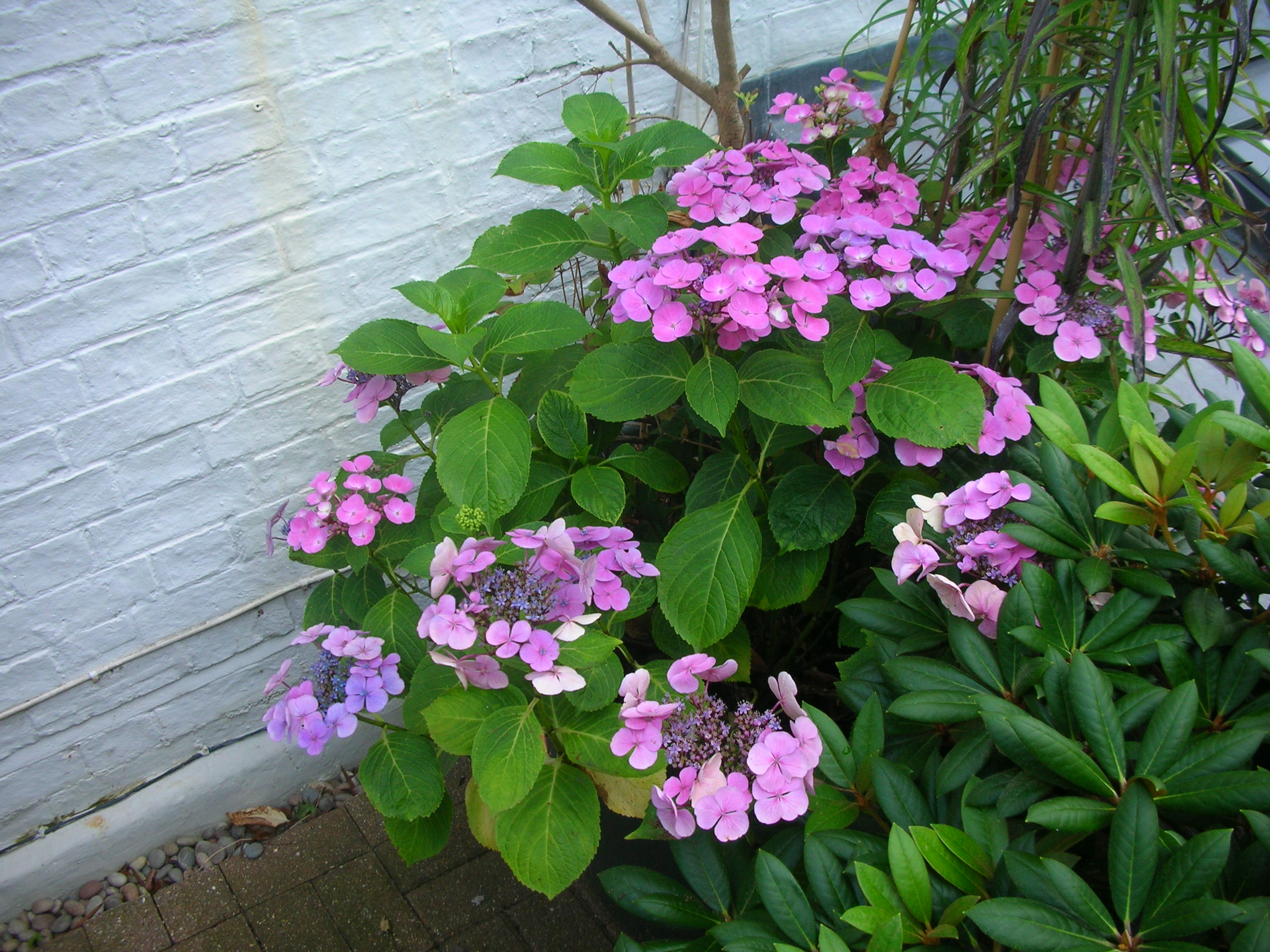
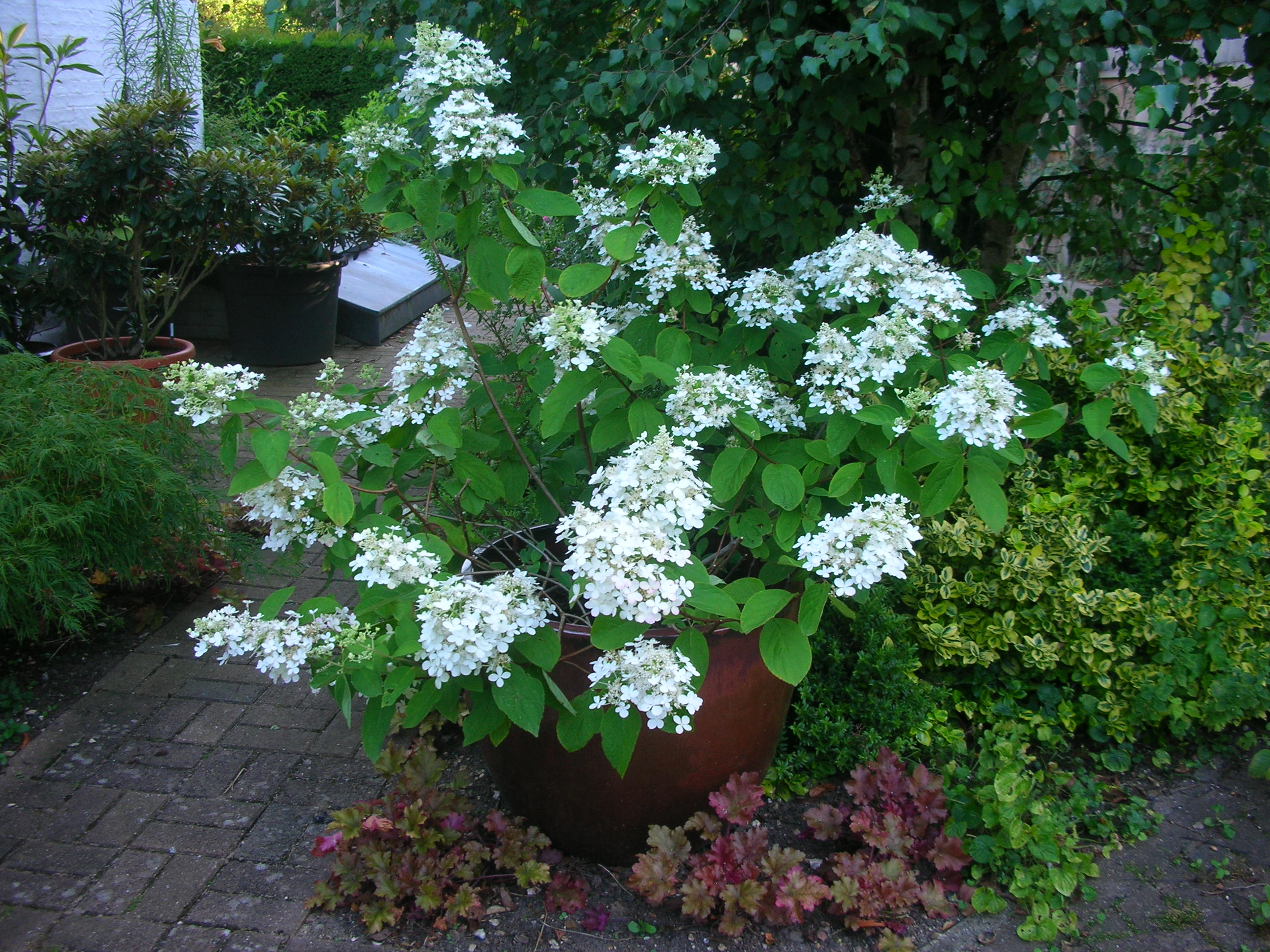
That’s enough amateur graphics. Here are some lilies (smelling heavenly) and hydrangeas to finish with. Tomorrow, I will pick beans and weed the veg bed.

DSCN6205 DSCN6202 DSCN6201 DSCN6199I’ve been Lindy Hopping this evening, so I feel more human.


Unseen Unsung – eBook out now

Unseen ebook coverF

Luca, a brilliant and self-absorbed young opera singer, is buried in the rubble of a collapsed building. A girl crawls through the debris to comfort him and then vanishes. perhaps she died in the ruins or maybe she just a figment of his imagination. When he discovers the strange truth, he is unwilling to accept it.

This is a story of love between two people who would never have met and never have found common ground without one of the catastrophes of modern life.

Unseen Unsung celebrates the power of music and the force of human survival in a complex world.

The concept for Unseen Unsung started life way back in 1999 when I imagined people stuck under the rubble after an earthquake in Turkey. I was enjoying myself plotting, writing and character-building when 9/11 jolted the world. I found the axis had shifted; the story felt too light in the changed world and I set the project aside for over a year.

This is a book, not about disasters, but about life and music, about ordinary people coping with what life throws at them, big and small. In it I have allowed my passion for music, in particular opera, (fairly) free rein, but, as one reviewer wrote, “please don’t think you have to be an opera lover to read this book”.

Although Unseen Unsung was published as a print version in 2008, I went to talk to a reading group last year, who had obtained second-hand copies through the Internet, so I am hoping people will still find it enjoyable. I decided to turn it into an ebook in order to learn the ropes for the publication of my new novel Border Line, which will be coming out in December.

The ebook of Unseen Unsung is available at http://www.amazon.com/Unseen-Unsung-Hilary-Custance-Green-ebook/dp/B00LSRI2PO/ref=sr_1_1?ie=UTF8&qid=1405942187&sr=8-1&keywords=Unseen+Unsung and https://itunes.apple.com/us/book/unseen-unsung/id899213653?ls=1&mt=11

I hope some of you will try it and enjoy it. Correction. That’s supposed to read – Please buy my book!


Reading, Writing and (A)rithmetic

After a stressful day (actually week) on the book-publishing front, I am baffled. This is clearly an absurd enterprise, since at the same time I am reading – and enjoying:

Middlemarch (George Eliot); Surviving the Sword, Prisoners of the Japanese in the Far East 1942-45 (Brian MacArthur); One Hundred Years of Solitude (Gabriel Garcia Marquez). I have started Americana (Chimamanda Ngozi Adichie) and Morning has Broken, (Carol Balawyder); The Sorrows of Young Werther (Goethe). I have dipped into The Goldfinch (Donna Tartt) and I am looking forward to And Then Like My Dreams – a memoir (Margaret-Rose Stringer); A Serious Business (Roderick Hart)… and then there is Bring Up The Bodies (Hilary Mantel) and The Luminaries (Eleanor Catton) staring at me from the bottom of a pile of books on the other side of the room.

Oh and I will be picking up The Rosie Project (Graeme Simsion) from the library and polishing it off for a meeting on the 6th of August… correction I am going to the opera that night – but I will still read it.

With writing like this, the world does not need books by Hilary Custance Green. Any which way you calculate this, it doesn’t add up. I should stick to cultivating my garden, reducing my ‘to read’ pile and my stress levels.

DSCN6050 DSCN6049 DSCN6056 DSCN6148 DSCN6153 - Version 2

However.

I’ve invested too much time (years), energy (and some money) in writing, editing, revising, researching, submitting and rewriting this book, never mind all the pfaff of getting a tax identity in the States, and learning how to create ebooks (nearly there with the older novel), to give up now. Also I am too bloody-minded. Also I owe all the kind friends who have supported me. So I shall add another few straws to the giant hayrick of books swamping the world – even though it fails to add up or make any sense at all.

Some rejected book covers to laugh at. I’ve learned a lot about InDesign

BL whole cover tests8.pr - Version 3 BL Amytest2b BL PScover tests17.pr BL cover tests19.pr - Version 3 BL cover dolltests16.pr_2

PS. I have now finished the Surviving the Sword, sobering and good for realigning one’s priorities.

Fitz… and a frog


DSCN5830 - Version 2

Many years ago I met an author (and brilliant photographer), Jenifer Roberts, at The Society of Authors (UK) and we exchanged addresses. A year or so later I received a flyer for her book Glass

. I bought a copy, loved it, and we became friends. We self-published our second books at the same time, though hers, The Madness of Queen Maria, was later taken up by a mainstream publisher in Portugal.  It is with enormous pride that I can report on the success of her latest book, Fitz. I can remember the beginnings of Fitz, the enormous lengths to which Jenifer went in researching this book, the endless drafts and improvements and the long cycle of agents and publishers who said… great writing, terrific story, but we are not sure it has a market… or similar. Well, after years of work and waiting it has found its natural home in New Zealand. The New Zealand Listener (see below) says of it “…This is history as it should be, alert, well-observed and informed…” about this man who was an “…infuriatingly mercurial personality but eminently loveable man.”

listener review 4

It is also in the top ten New Zealand non-fiction best seller lists. I can vouch for this as a great and entertaining read. Jenifer has set a brilliant example for aspiring writers and I am so happy to see this story reach the public it deserves.

Now for something completely different. We live (I say, as the rain it raineth ev-ery day) in a very dry area of the UK, and we have no pond and no obvious ground level source of water, yet every year I meet at least one frog in the garden. I don’t meet him/her in one particular damp spot, but anywhere in the third of an acre that is ours. So, there must be quite a few frogs living here. This is the best I could do in the way of a photo – he is in there – honestly.

DSCN5829_2

Titles, covers and how to get it wrong.

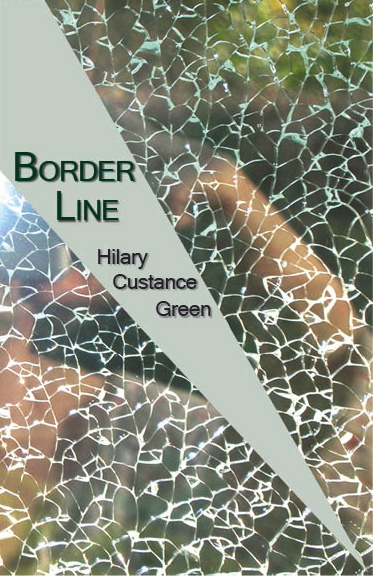
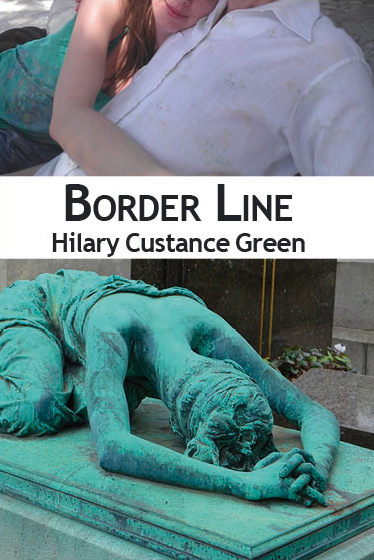
I am in the process of self publishing a novel. This has the title Border Line, which should (I hope) give rise to thoughts about the borders of a country, the edges of sanity and the distance between of success and failure.

I am setting the text using InDesign, but as I can’t afford Photoshop to do the cover work, I  downloaded the free illustration software, Gimp. In order to familiarise myself with the basics I knocked up a random cover by grabbing a recent photo and putting in some text in a couple of colours. Feeling quite pleased with myself for getting this far, I emailed the result to a friend and my husband…

Gimp testjpeg

… to whom it is obvious that I have written a book on gardening – How to Keep Your Border in Line!

A few days before this effort, I mocked up some simple photo and text covers in InDesign, and printed these off (along with one professional) one to show to a group of friends. I asked them which ones(s) they would pick up and turn over to read the blurb. Several unerringly picked the professional one (a lovely image, but not related to the story). They then made clear that what mattered to them, apart from the cover’s initial attraction, was that it should be relevant to the story. Nothing seemed to irritate more than a misleading image (which, as I feared, counts out the lovely image).

Does the relevance of the cover image matter to you? Here is a pdf of the covers, if anyone feels like spotting the professional one.

cover tests


Writing women and peonies

I recently finished Elaine Showalter’s A Literature of Their Own: British Women Writers from Charlotte Brontë to Doris Lessing.

DSCN5610

Researched and written in the 1960s and 70s, first published in 1977 and revised and expanded in the 1990s with a new edition 2009 much reprinted since, this study of British women writers has stood the test of time very well. There is much to fascinate a writer today. Perhaps most astonishing is that this study, by an American, was so ground-breaking. As Elaine travelled “…around chilly municipal libraries in England in quest of women writers’ archives, I was often rewarded by becoming the first scholar to read a harrowing journal or open a box of letters.” Studies of women’s writing have abounded since those early days and much of the introduction (written twenty years later) is taken up with the (often negative) reactions by later scholars, pundits and activists to her analysis of this subject.

The book itself is a treasure trove of discoveries, of women who wrote the best-sellers of their day, but have been wiped out of history, of changes of taste, of changes in the roles of women, of transformations (or the lack of them) in the reactions of men. It back-fills the story that seems so often to consist only of Austen, the Brontës, Eliot and Woolf and gives a structure to the history of two centuries of writing.

Elaine’s original title had been The Female Literary Tradition in the English Novel, but Princeton University Press changed this to the current one – not, as so many have assumed, in reference to Virginia Woolf’s A Room of One’s Own, but a quote from John Stuart Mill  in 1869 in The Subjection of Women. He wrote: “If women lived in a different country from men, and had never read any of their writings, they would have a literature of their own.”

Although this book started life as an academic treatise it is highly readable and full of insight. It has changed my understanding of the journey so many British women writers have taken. There are also some quotes to make your blood boil and your mouth drop open.

On a completely different subject. It is tree peony time here. Finally the long-watched buds are opening.

White tree peony

White tree peony

Over Easter I saw this Molly-the-Witch in the local Botanical Gardens. Molly is usually a clear yellow, but this is a very delicate cream with peachy markings. Definitely on my want list.

Paeonia mlokosewitschii

Paeonia mlokosewitschii

There will be more in a later post.

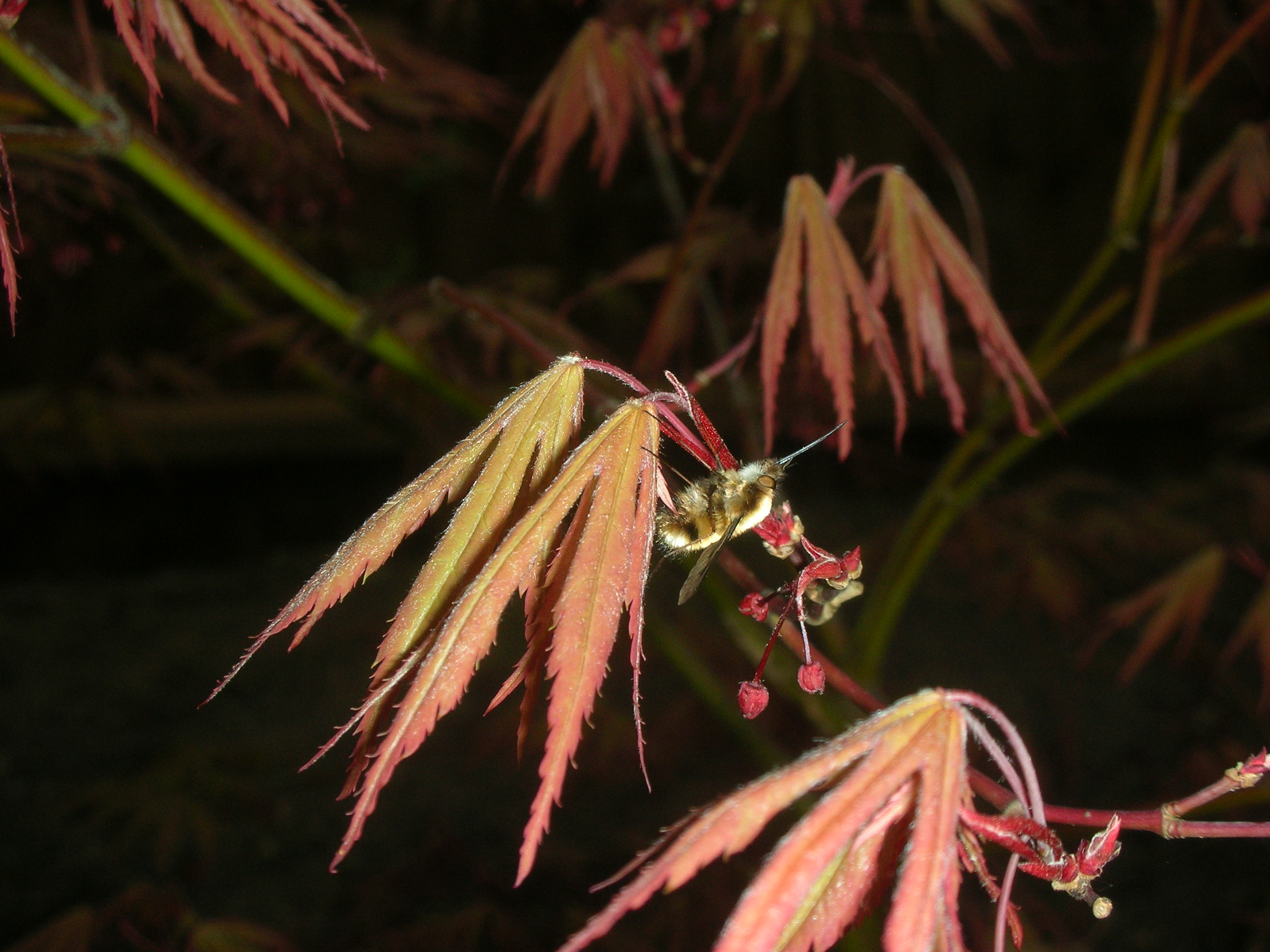
Just a bee (I think)

I wanted to review this great book (which has a purple cover and is not out of focus),

DSCN5583
and I hoped to write about POWs, and I even planned to write about writing (which is a thing I should have been doing, but spring and greenhouses have intervened). Now Easter has caught up with me and my guests are here, so I shall be off for a few days. Here is a picture of what I think is a bee of sorts, but it may be one of those clever flies masquerading as a bee. DSCN5517