England under water

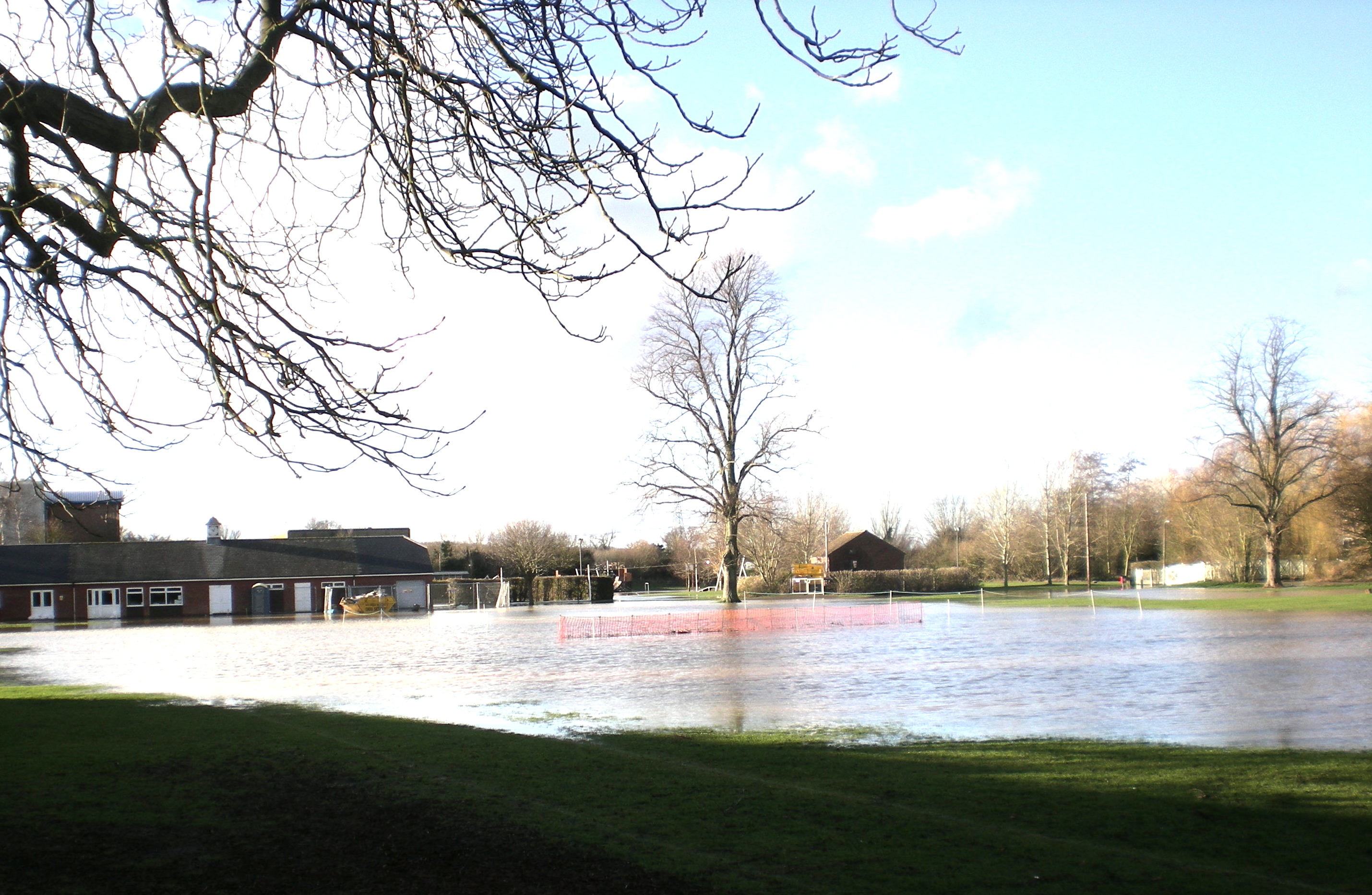
We live in a part of the UK not affected by floods. Last Saturday a friend and neighbour, Michael Judge, walked round the village taking a few photos. Here is an English cricket pitch.

The recreation ground – photo Michael Judge

The recreation ground – photo Michael Judge

And a bowling green.

Bowling green – photo Michael Judge

Bowling green – photo Michael Judge

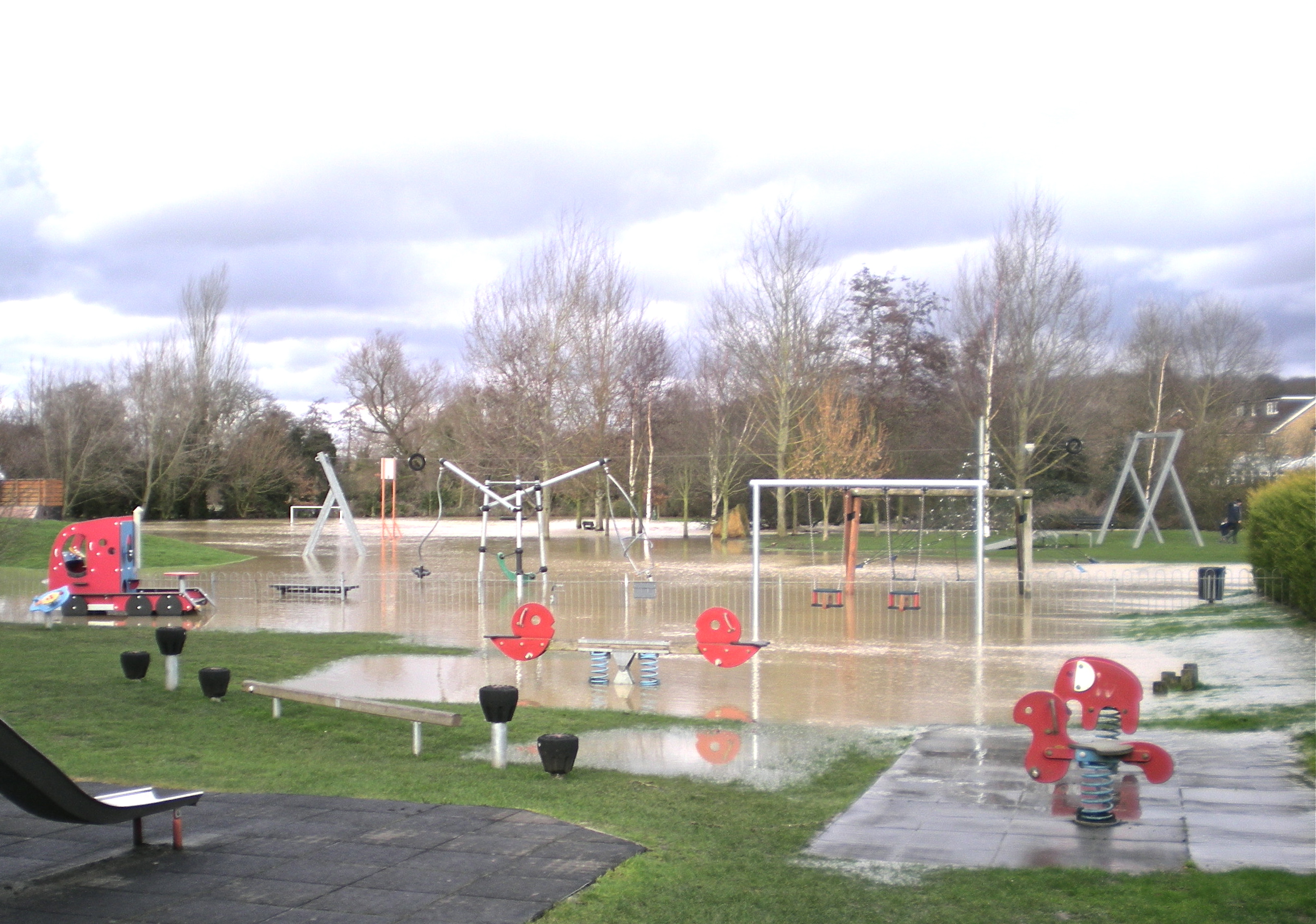
And a playground.

playground – photo Michael Judge

playground – photo Michael Judge

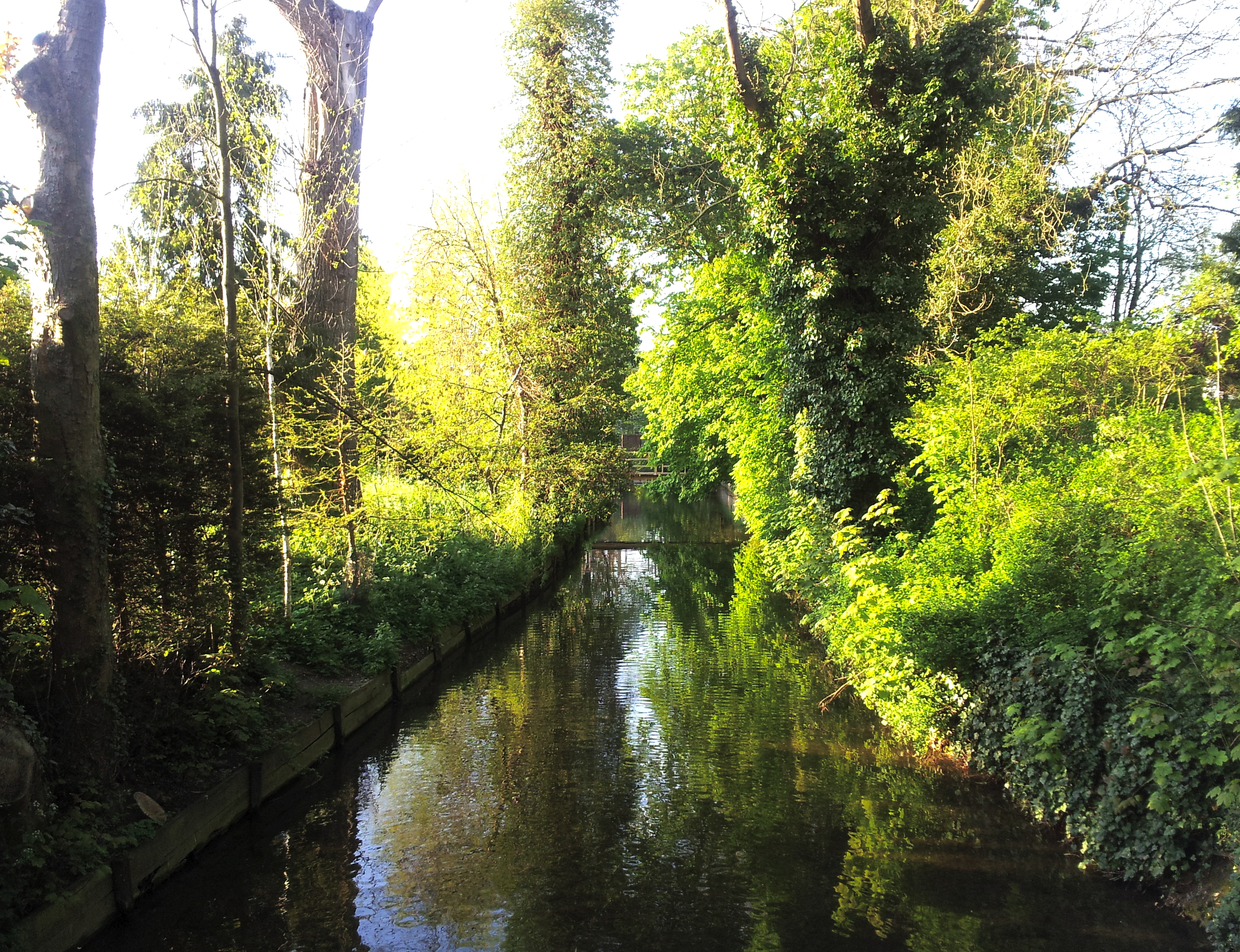
The local river in May 2012.

English village river May 2012 – photo Michael Judge

English village river May 2012 – photo Michael Judge

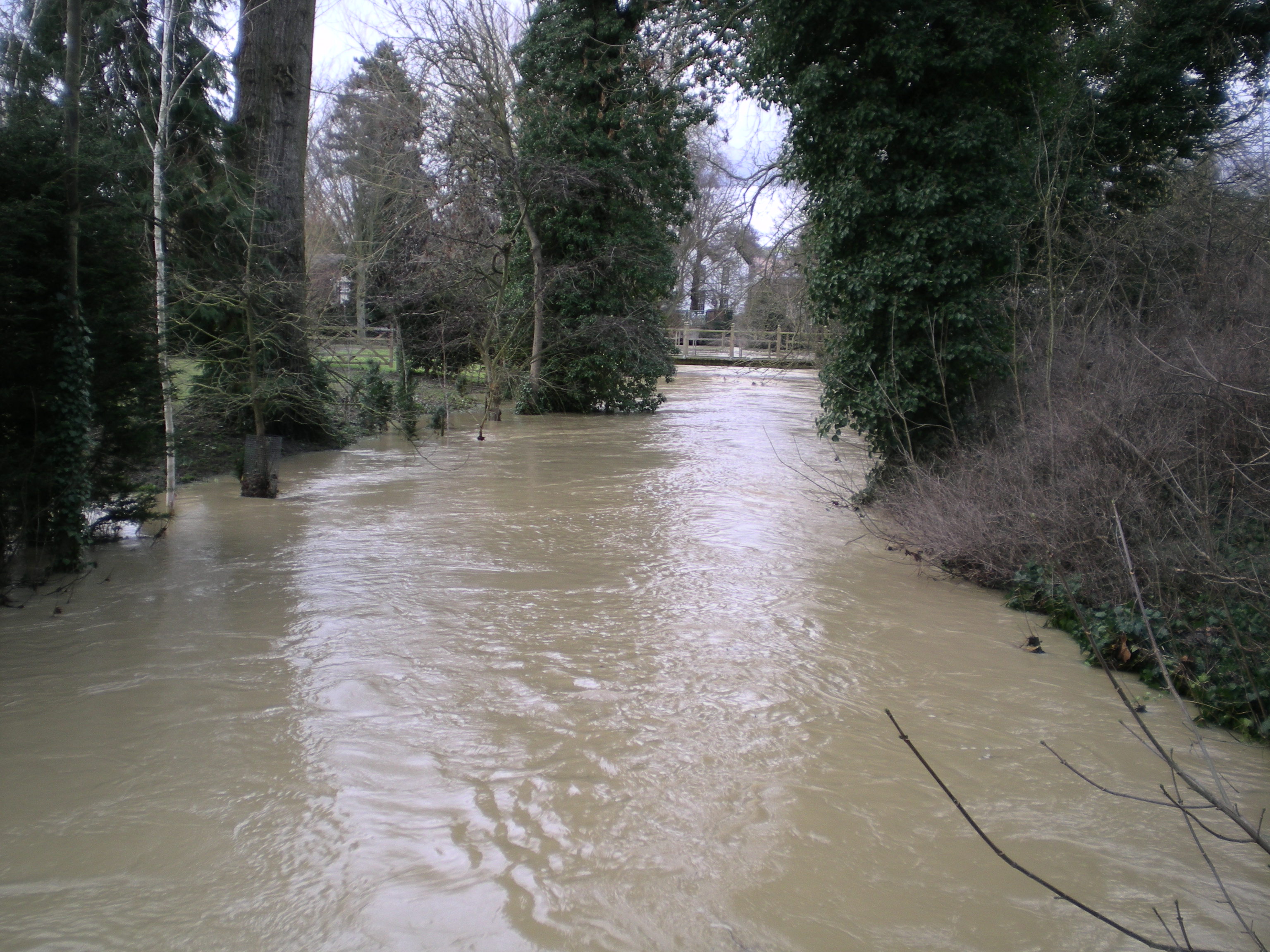
And again in February 2013.

a village river February 2013 – photo Michael Judge

English village river February 2013 – photo Michael Judge

And, I repeat, our part of the UK has been spared most of the rain and flooding.

First real news after 3 years – POWs 23

Some time at the end of April 1945, Phyllis, with the dossier of information and photos of Barry’s men, interviewed a Sergeant Smith, from the Royal Signals. Smith had been a prisoner of the Japanese and was rescued after the sinking of the transport ship Hokofu Maru. He knew Barry and other men from 27 Line Section. In her notebook Phyllis  scribbled entries for each man who Smith remembered having seen. For example:

Appleton. Saw him in June ’44. Excellent condition. Down ? Tech. Party due for Japan but hadn’t left [‘Japan party’ are the groups of men selected to be shipped to Japan]. Worked with Smith as Cook after completion of railway in Tamarkan hospital camp. One /or 2 attacks/malaria but survived them well, often spoke of his children and wife.

Bridge

Jim Bridge

Bridge. Died 1943??

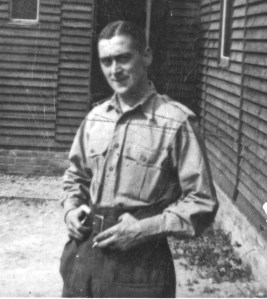
Canning. Tropical ulcers on leg in Thailand sanatorium. April 1944. Ulcers healed unable to straighten his leg. Very clean. Mentioned wife & mother. Health otherwise O.K.
Canning

Hugh Canning

Dawson. Seen end Jan 44. Condition pretty fair. No party for Japan then.

Signalman William Dawson

Signalman William Dawson

Douglas. June 44. Sick in 1943 but recovered. Worked in Japan cookhouses as servant which gave him extra. Mentioned both wife and son. Kept out of trouble.

Jack Earnshaw

Jack Earnshaw

Earnshaw. 1944 June. Health quite good. Mentioned fiancée a lot. (sister?) Packed up on railway in 1943 August. No party for Japan.
Farrell

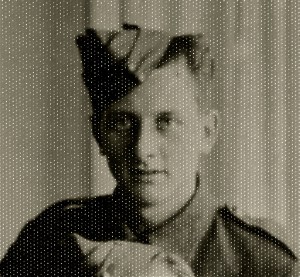
Henry Farrell

Farrell Plumber? Friend of Walls? Last seen June 44. Health fair. Trouble with asthma. Kept bright & cheery. In hospital October 43. Down for new San. (?) Looked after by Thai Red X.

Garrod 43. Last August 1943 Condition quite good – bright & cheery. Not due for Japan. Mentioned wife.

Graham June 44. Quite good health. Pelagera [pellagra – lack of vitamin B3] – but recovered by June 44. No party for Japan.

Harrison. Early 44. Quite well.

Jennings June 44. Quite well. Not on railway.

Reginald Jennings

Reginald Jennings

(In September 1943 The War Office had written to Mrs Jennings to say that her son, Reginald, had died of beri beri malaria on 18.7.43. Scepticism had long since set in among the relatives and she had still sent a photo and information about her son to Phyllis for the dossier. The War Office had been right and Smith must have thinking of another Jennings.)

Charlie Johnstone

Charlie Johnstone

Johnston. June 44. Might be sent on draft to Japan. Always speaking of his wife and children. Well & cheerful. Knew Barry. Kept going very well.

Jones. June 44. Working in hospital dispensary. 2 camp. Not changed – keeps well.

Kittwood Last seen early 44. Very seriously ill – malaria.

McDonald June 44. Good health. Worked on railway 10 months – Then hospital orderly in Tamarkan camp. In original 27 Line in France.

Neil McDonald

Neil McDonald

Parker. Same cargo boat for Japan. Probably killed.

Russell June 44. In quite good health – quite cheery. Always speaking of wife & 2 boys.

Walls  Speaks of wife and son. June 44. Well and cheerful. Pretty good health.

Foiled by a frog

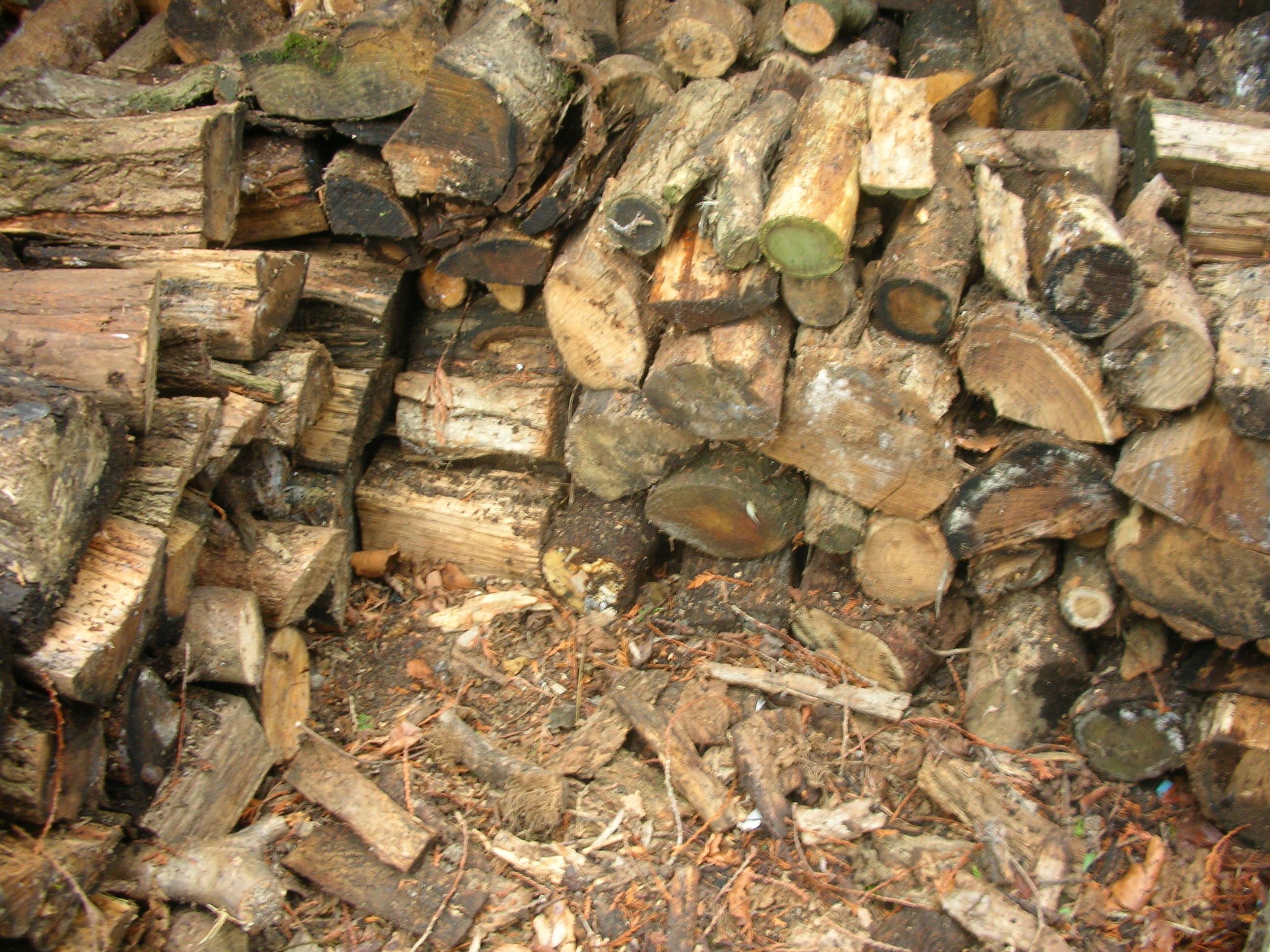
Today I decided to sort out the log pile. One of my tasks being to separate out the pine, of which we have far too much for the health of our new stove. Underneath the pile I discovered some very unsavoury-looking bags, but they turned out to be full of really useful leaf-mould.

DSCN4747I was doing quite well when I lifted up one pine log and came face-to-face with a frog. He/she scrambled around a bit, looking very miffed about being disturbed, then hid. So very cautiously I replaced the logs in a rough pile. I continued tidying up, but revised my plans, accepting that I would have to leave the frog corner until the spring.

DSCN4749

As soon as I had piled everything back there was a rustling. And the frog hopped smartly across the cleared area and under the newly stacked logs on the other side. And I didn’t even get a picture.

DSCN4751

The Glass Room

I have just read Simon Mawer’s The Glass Room.

DSCN4746 - Version 2As a writer I am gagging with envy. As a reader I am one satisfied customer. The book is set in Europe between 1928 and 1990, with the meat of the story taking place during WWII. The frame of the story is a dream modern house (which actually exists), built in the 1920s for a private family, during the short-lived Czech Republic. Although the style of the house and the spaces it creates are central to the story, it is the characters that grab you, entertain you and make you care about their fate.

The language is immensely rich, graphic and easy to read. It is haunting, but never sentimental. It depicts some of the richness and beauty of the spaces we live in. If I have a caveat, it is one I often find in male writers, an inability to resist depicting one or more women as a vamp. Mawer’s particular vamp is one of the most interesting and entertaining of the characters, so I am not really complaining. Her very boldness allows him to say things that most characters would not get away with.

I can’t work out if this is a heartbreaking story or one of hope, which sounds strangely indecisive*. The coverage of war experiences, however fictional, is in essence true and devastating. The longevity of an idea, embodied in the Glass House and persistence in survival of the human race under a variety of repressive regimes as well as war, are elements of hope.

*My discussion group are in no doubt that it is heartbreaking.

Another snake, another ladder

Yesterday I received another rejection for my novel Border Line. They are stacking up nicely now.

Last night I found an email from a friend. The subject line read: did you write this??? or where did I HEAR IT?

The text read: “Not even purgatory would feature a sing-along bar in Ljubljana. ”

This is a quote from Border Line, which my friend must have read well over a year ago. He may have remembered the line because he hated or was irritated by it, BUT at least he remembered it. He may even have liked it. I have to hang on to all forms of encouragement.

Birches in Anglesea Abbey gardens Winter Walk today.

Birches in Anglesea Abbey gardens Winter Walk today.

writing magic

A few weeks ago a friend lent me a book she had been unable to put down.

DSCN4655

John William’s book Stoner sets out from page one to kill expectations. The tone is matter-of-fact, and the novel opens with Stoner’s death at the end of a clearly unremarkable life. This life is led almost entirely within the walls of an American university, though, crucially, Stoner is the only child of a small farmer.

So why has it become a bestseller here in the UK? The prose is mesmerising in its clarity and simplicity. The life it unfolds is unpromising in modern terms; bare, unambitious, and with few happy contributions from chance. Yet, this is an extraordinary and moving novel. I have rarely felt more sympathetic towards a protagonist. This remains true, in spite of the fact that much of his experience is marred by the limitations of his own personality. His background and upbringing are hidden shackles which the reader continues to hope (and not in vain) will crumble just a little some day.

It is also a story about the ordinariness of love and the magic of the written word.

Stove Event

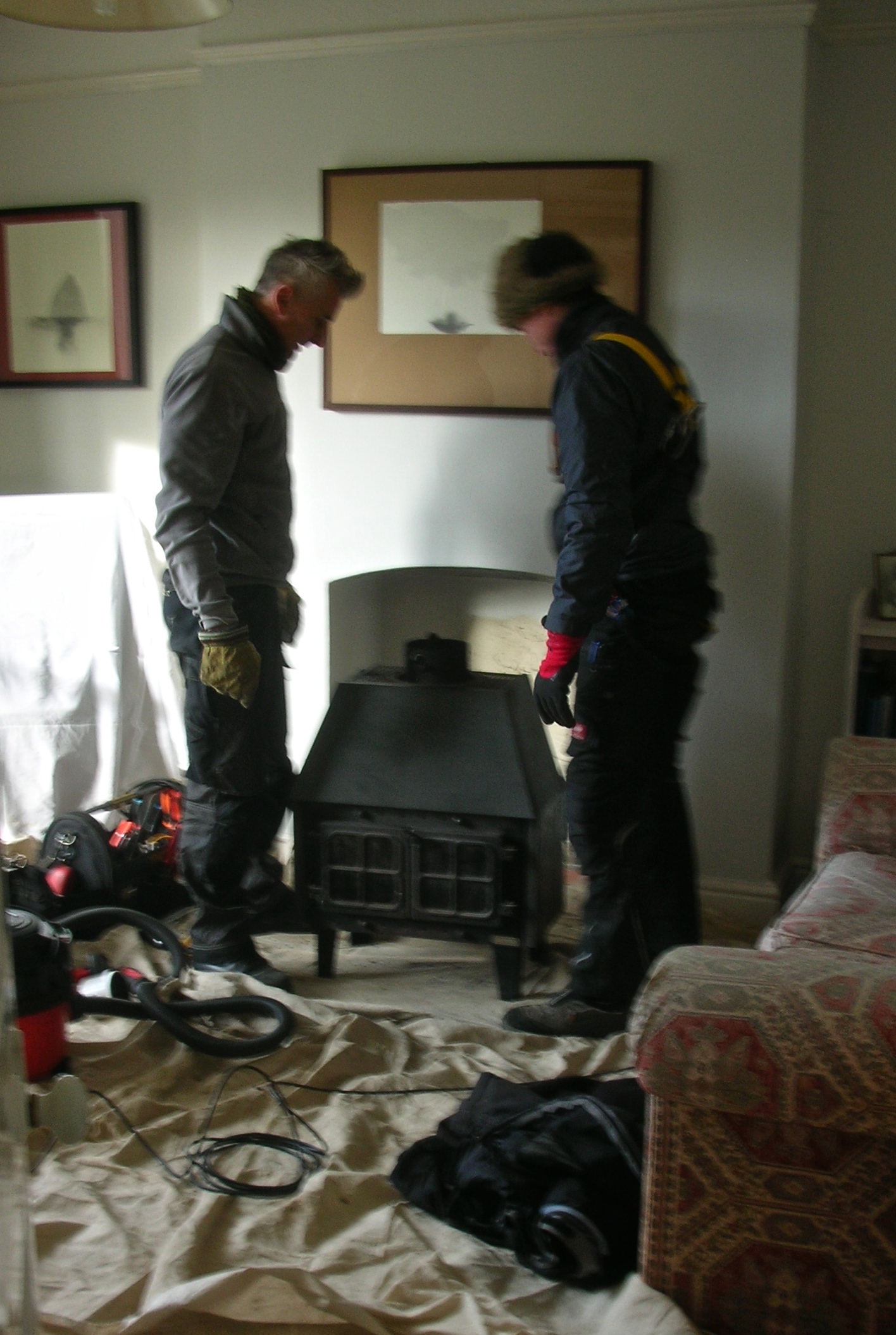
The time has come to say goodbye to our trusty 35-year-old Hunter wood-burning stove.

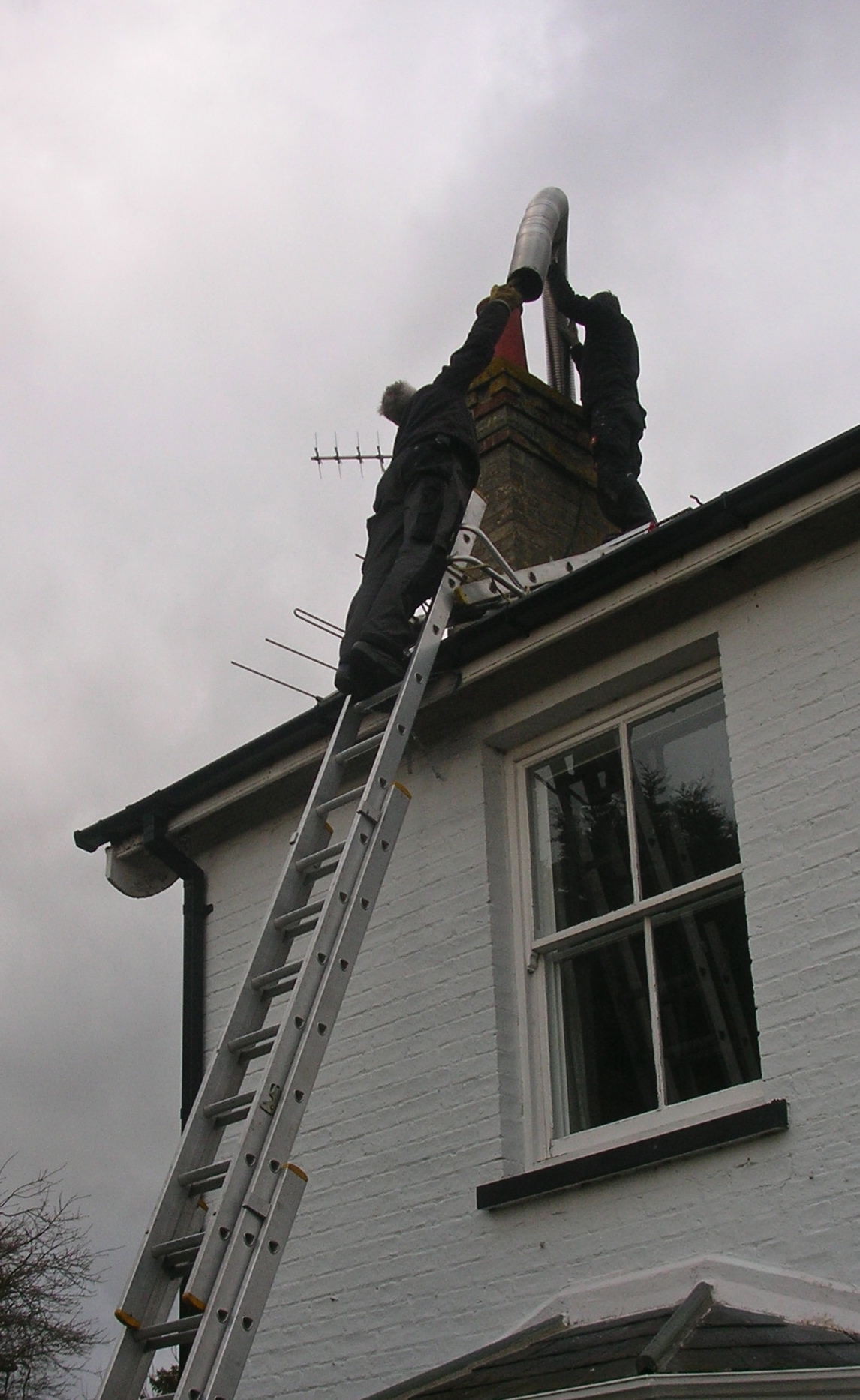
DSCN4673DSCN4677 DSCN4681 - Version 2 DSCN4686DSCN4693 - Version 2 DSCN4695 - Version 2And line the chimney.

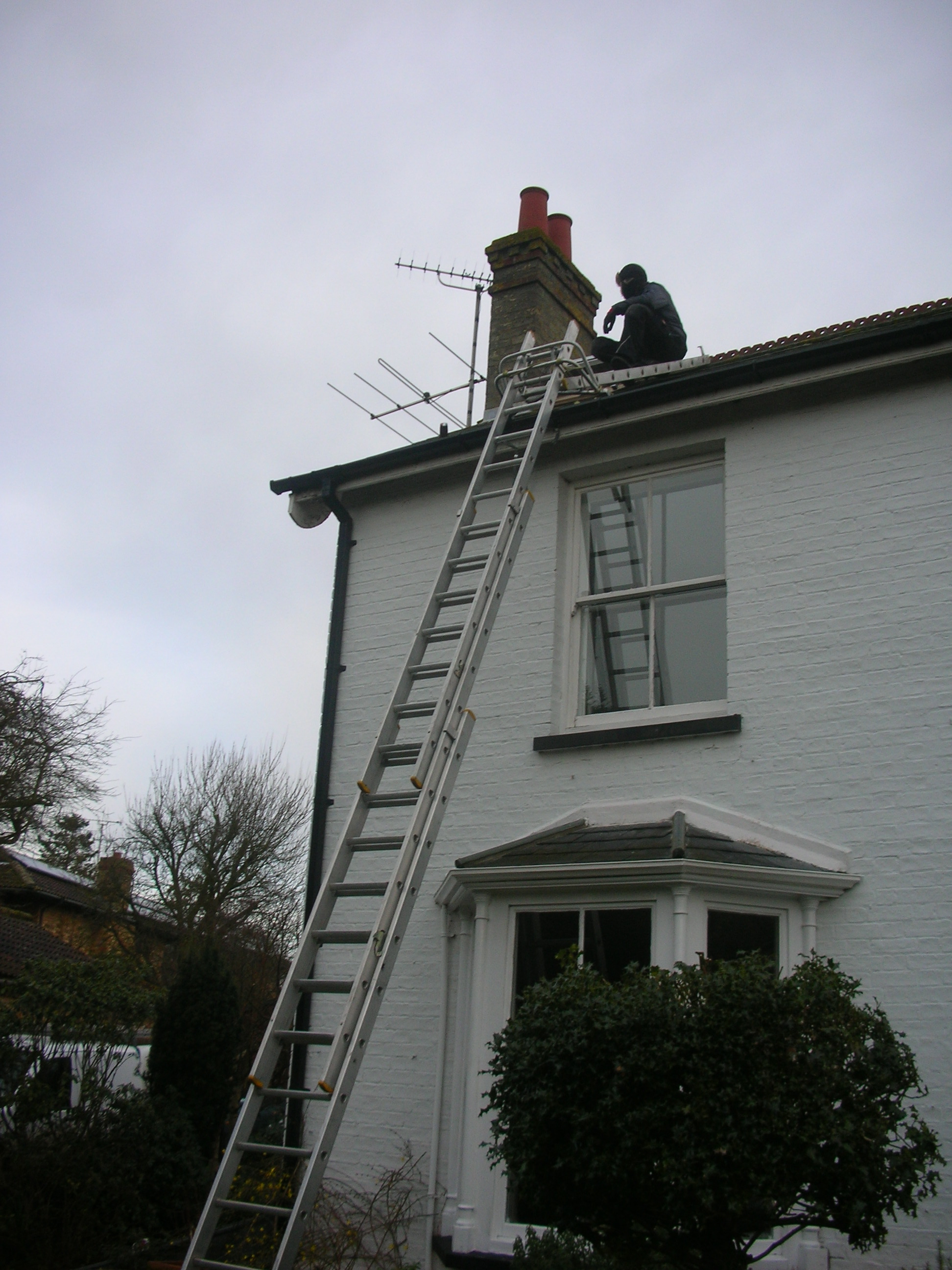
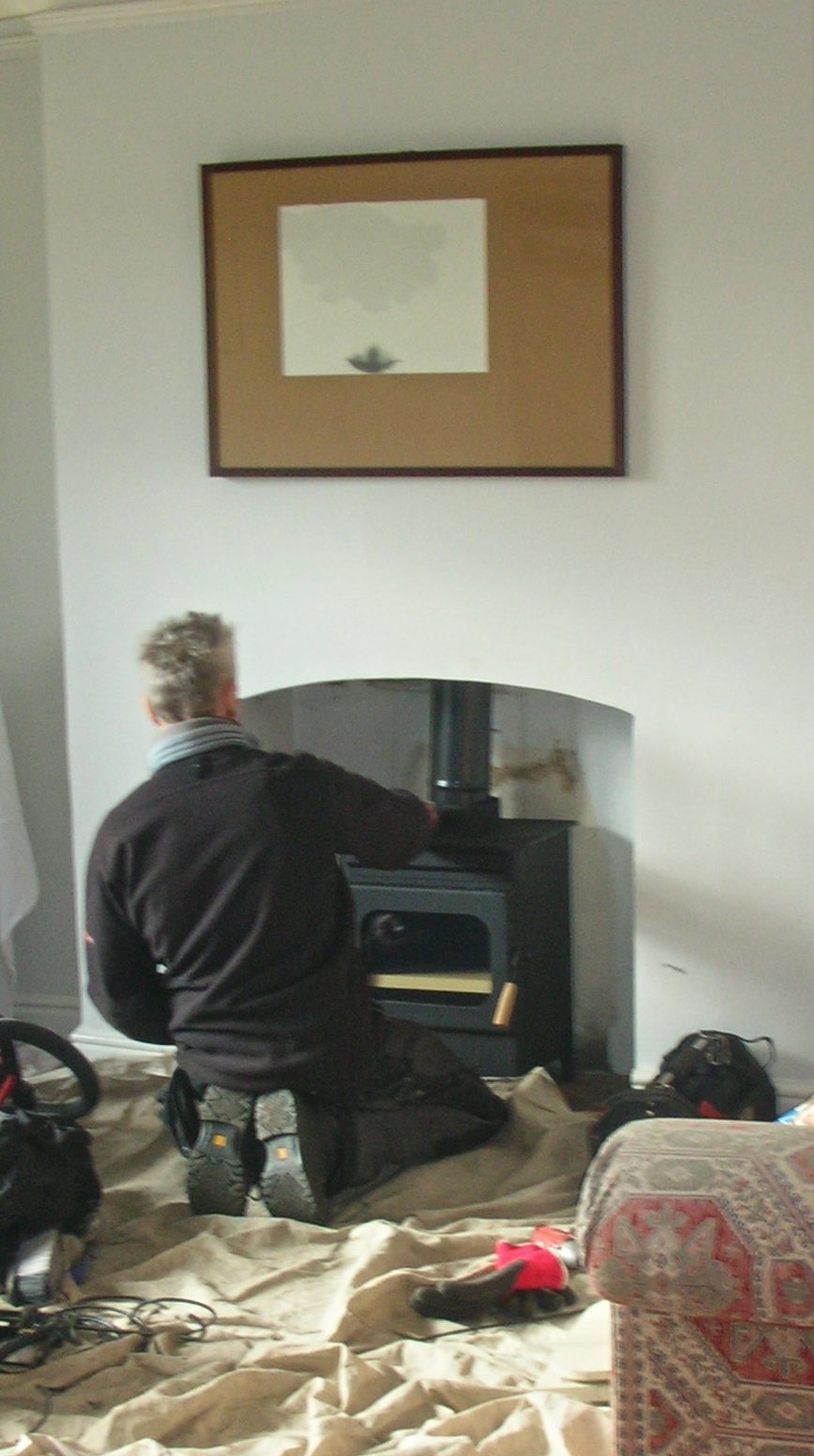
DSCN4709And install a new 89% efficient Burley stove.

DSCN4716 DSCN4718

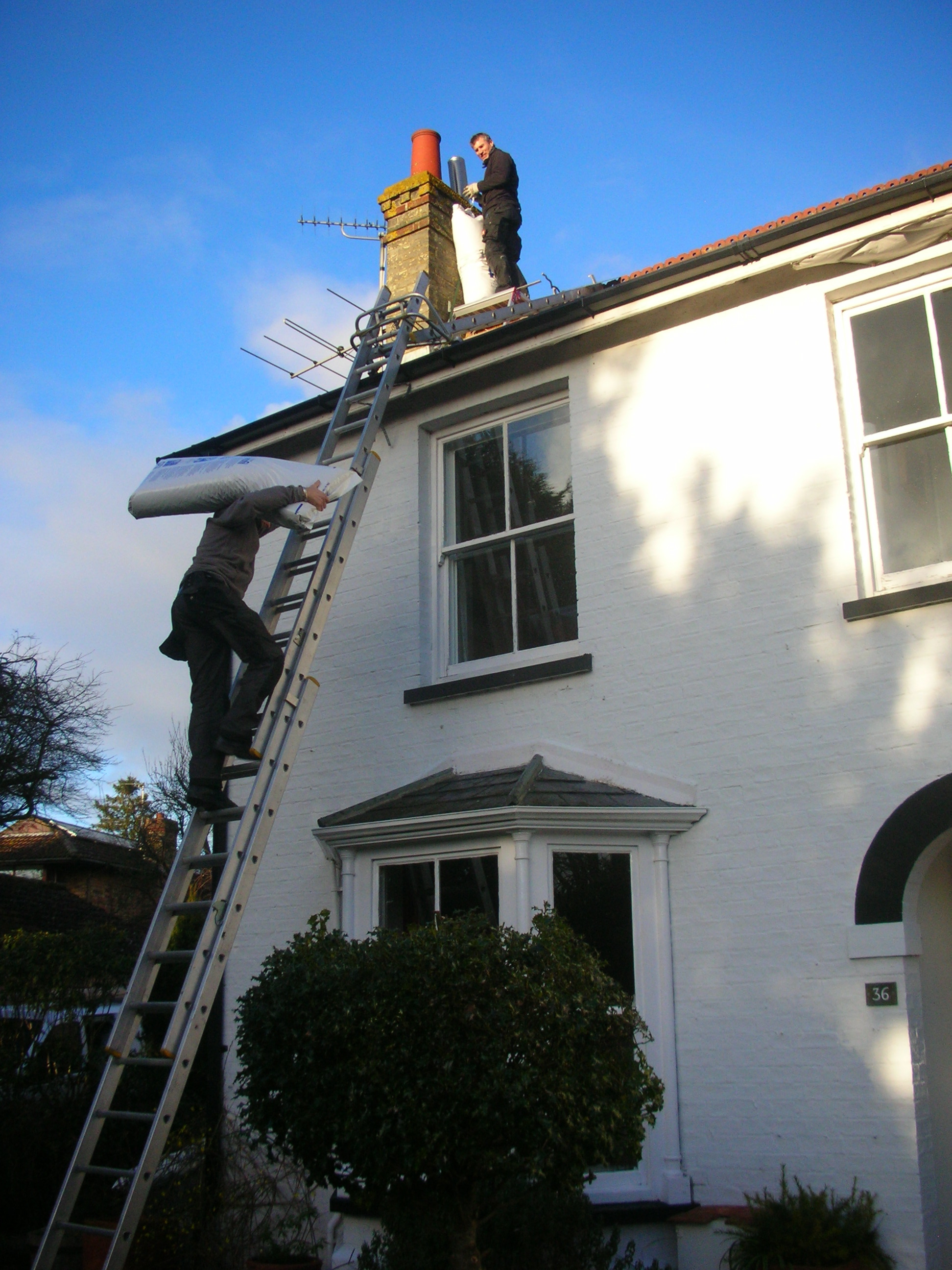
And insulate the chimney.

DSCN4727

Put caps on to stop the pigeons falling down.

DSCN4731 - Version 2

And light the stove. Ah bliss!

A Time to Talk

I read this book just after Christmas and it made a happy contrast to some of the bleak writing I had waded through in the run-up to the festivities.

DSCN4652

A Time to Talk is written in the style of a memoir and the voice is engaging, with a delightful turn of phrase and an often original way with language. There is also a self-deprecating tone, which allows the reader to feel both sympathy and mild exasperation with the protagonist as he flounders among the ‘slings and arrows’. Max Frei, a freelance counsellor with nothing but the good intentions towards his clients, finds himself in conflict with the law and in debates with not only experts in his own area, but criminals outside it. All of this is accompanied by his bewildered but happy reactions to his own love affair.  The story is told at a gentle pace giving the narrator plenty of time for introspection, while events unfold around him.

Within this story there is much thought about the serious subject of mental health and the treatments available, but all told with humour and insight that I found refreshing. It is rare to find such serious debate wrapped in such an easy conversational package with much laughter alongside.

The Railway Man

Yesterday I went to see the film of The Railway Man (Colin Firth, Nicole Kidman, Jeremy Irvine, Hiroyuki Sanada). Last night I re-read the book on which it is based that came from my father’s shelves.

DSCN4650The film was a moving depiction of a man finding redemption late in life, through the love of a woman who helped him to confront his traumas and finally to meet and even make friends with one of the men responsible for his traumas. It is ‘based on’ rather than an exact version of the true story.

The film also does two important things:

It renews my shame, as a UK citizen, at being even distantly connected to inhumanity of Guantanamo Bay and what the American military are still doing there. We have in the last twelve years thrown away the right to condemn any other nation for treating people inhumanely.

It gives me hope that people have the capacity to forgive their enemies, if they can only meet and talk.

The film is only a brief window on a relationship in trouble and the torture Eric Lomax underwent during interrogation. What the film does not, cannot, do is give the full long-term picture of what Eric Lomax and thousands of other men suffered as Far East POWs and the suffering consequently visited on their families when they returned. After lengthy torture, Eric spent a year or more in unimaginable squalor and imposed silence in Outram gaol. After release, first in India, he met the ignorance and indifference to his their sufferings that blighted these men’s lives – a lady volunteer who suggested that since they had been POWs during most of the fighting, they must now be anxious to ‘do their bit’. In England, so much had changed. Eric’s mother had died in 1942 and his father had remarried. People had suffered and were not keen to revisit, let alone deal with, something that was over and done with.

The book, not surprisingly, tells a more profound, detailed and informative story. There are many tributes to the book. Ian Jack of The Guardian writes: ‘This beautiful, awkward book tells the story of a fine and awkward man.’

Finding big errors

This is a thank you to the whole business of blogging. A few posts ago, I wrote about Barry in the Japanese POW camp, Chungkai, in Thailand in 1943 and 1944. I mentioned the Thai merchant Boon Pong, and because of your interest in this amazing hero, I did a little research and added a post about him. In the course of that research I discovered an error in the book I have put together using letters and memoirs of that period.

Barry was in his eighties when he wrote about his time as a prisoner. He was in Chungkai camp from July/August 1943 to February 1945. He remembered in detail (far, far greater than anything I have posted) working for the surgeon Marcowitz as he carried out amputations on those men with incurable tropical ulcers. But he remembered this period as the end of 1944, beginning of 1945. Marcowitz left Chungkai in January 1944. It is over the previous Christmas period that Barry worked for him.

I have had to move several chunks of text around, all with some tricky knock-on effects on the rest of the story. But I am so grateful to have discovered this. So thank you everyone.

A little spring cheer to say thank you, a marigold is still blooming in the vegetable garden (and I have been squashing greenfly on the new rose growth today).

DSCN4630
The most cheering pre-spring sight I know – winter aconites springing up all over. Sorry it’s not a great picture, but they really are unfurling in every corner of the garden.

DSCN4633