Woman at Point Zero and a true story

I have just finished Nawal El Saadawi’s epic, short book. This was inspired by an encounter in 1974 with a female prisoner, Firdaus, condemned to death for murder in Egypt. She had indeed murdered her pimp. This is written as a novel, a monologue of a short life. But the woman existed and the encounter is true. The brutalisation of this woman by all the men in her life who she should have been able to trust, shocked her countrymen, because it was instantly recognisable. When years later it was published abroad, it shocked the wider world. The life Firdaus had led was the normal experience of an ordinary women in Egypt and in the wider Arab world. I am not sure how much it has changed since then.

DSCN6788 - Version 2

On the other hand this is also a true story:

Way back in 1965 two girls, aged 17 and 20, went hitchhiking round Europe. They were very careful because they had promised their parents not to travel this way, but they ran out of money. In Basel they managed to get a job working in a what would now be called a burger bar. The 17 year old was just out of boarding school, absurdly trusting and naive to a fault. She took a liking to the handsome young Egyptian cook, and was happy to indulge in the odd kiss and cuddle in their time off.

Hilary puppies

After a week or so, the girls had to leave their youth hostel – these were meant for travellers and not for long-term stays. Struggling to find somewhere to stay, they accepted a temporary home in the cook’s apartment, where a single sofa was the only available spare bed. The 17-year-old found herself cuddling on the bed with cook, who after a little while sat up. He explained very gently that she should not have accepted his offer to stay and must never do such a thing again. Her presence in his bedroom, he continued, would be regarded by most men as consent to sex. He was probably no more than 20 years old.

This kind and honourable young Egyptian left me with a respect, not only for himself but also for his countrymen, that I have never forgotten.

Is this the way to sell books?

Saturday was wonderfully surreal. Although the Border Line pre-publication launch party was intended for local friends, very dear old friends and my daughter and partner came to stay, and a dear friend from Ireland and dear writing friends from Wiltshire also stayed nearby.

I was very grateful for messages of support from my blogging friends and also this  wonderful card made by the multi-talented young singer Charlotte Hoather.DSCN6772

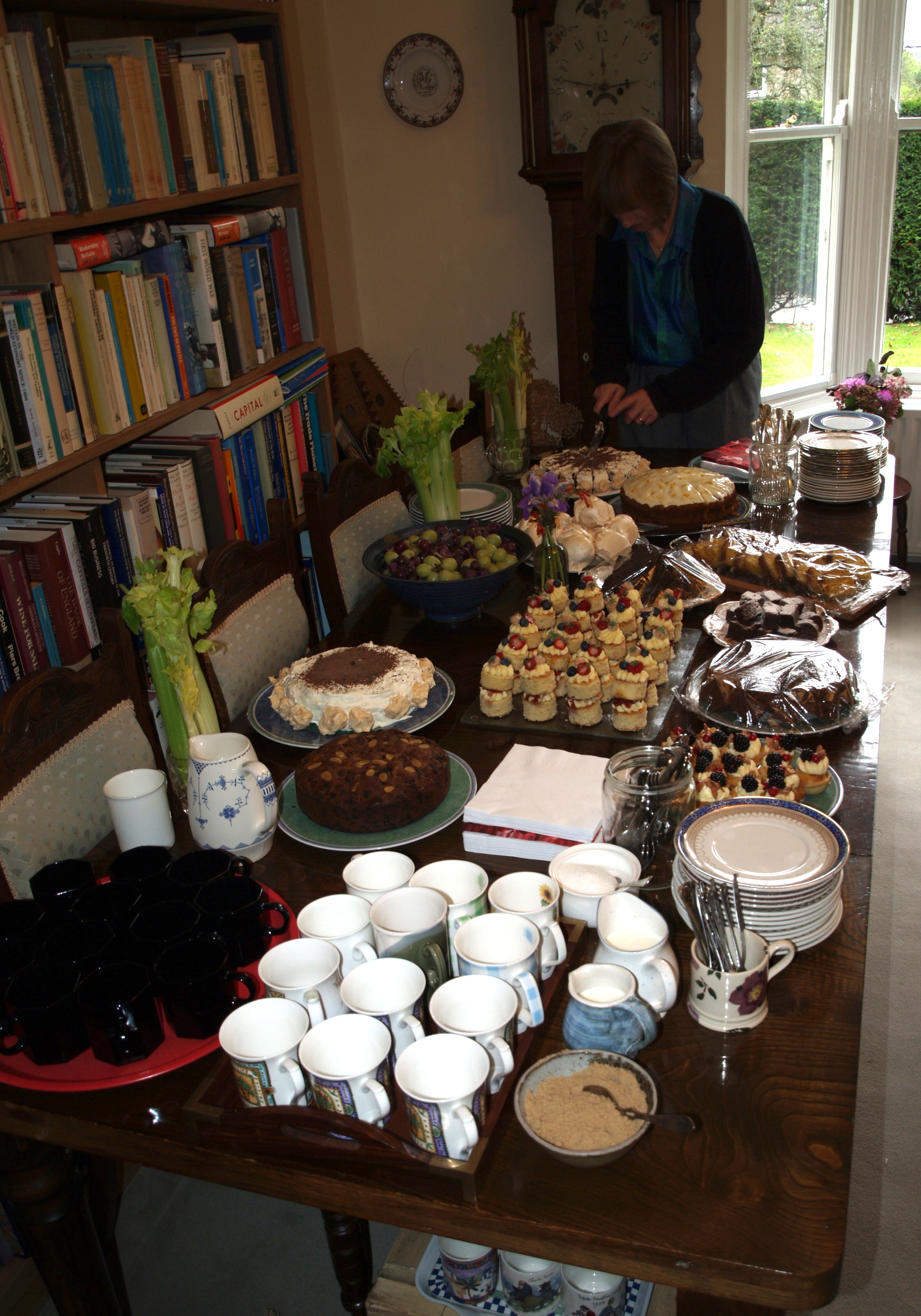
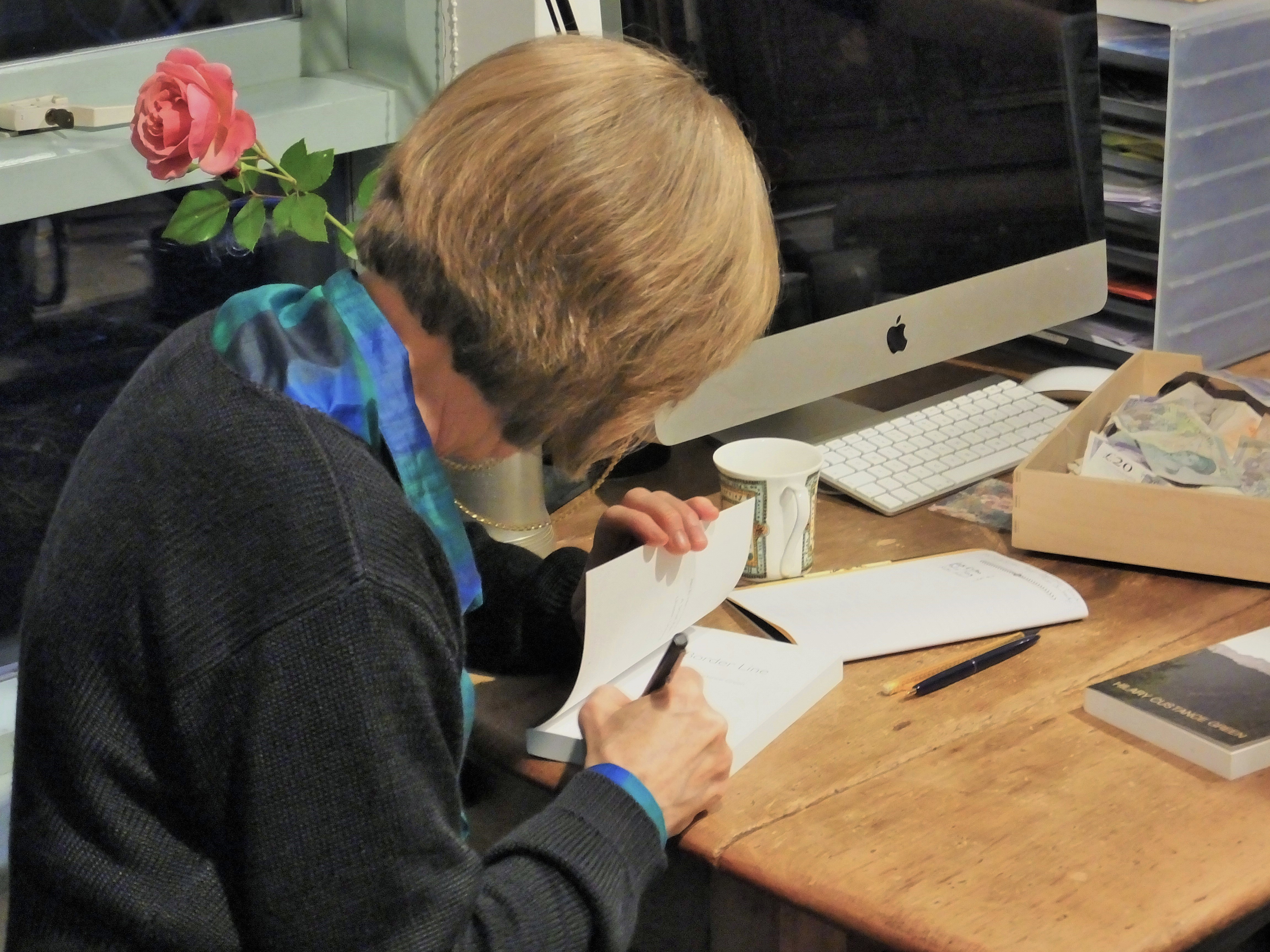
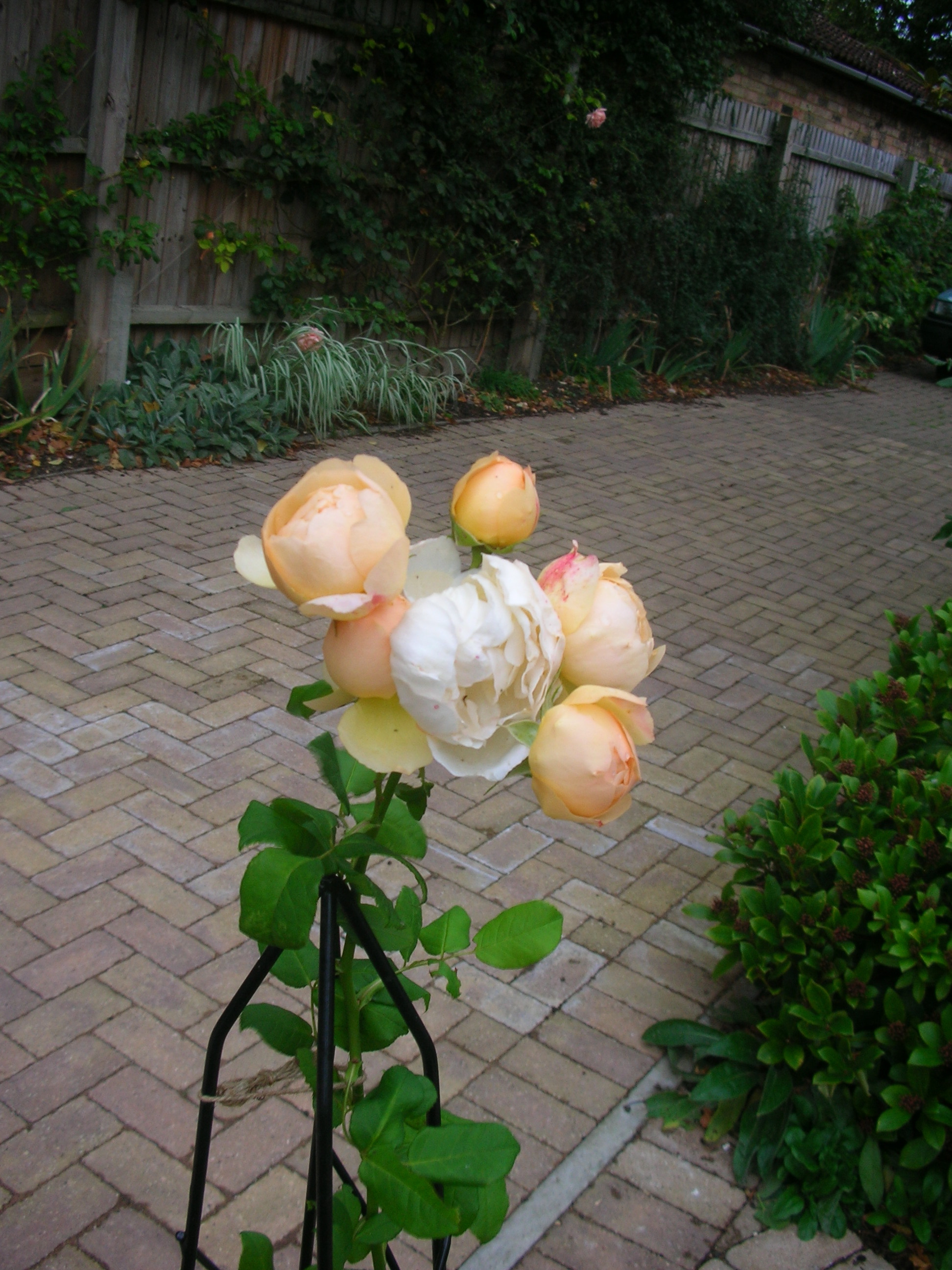
We had more than enough food. A tithe of it is visible in this photo.OLYMPUS DIGITAL CAMERA I saw little of the party, as I spent most of it in my working den signing copies (and taking the moulah). I was aware of my husband and everyone working very hard, looking after about sixty thirsty people. Note the lovely rose, a gloriously sweet-smelling flower, cut and brought round by my next door neighbour. DSCF3550 (4)

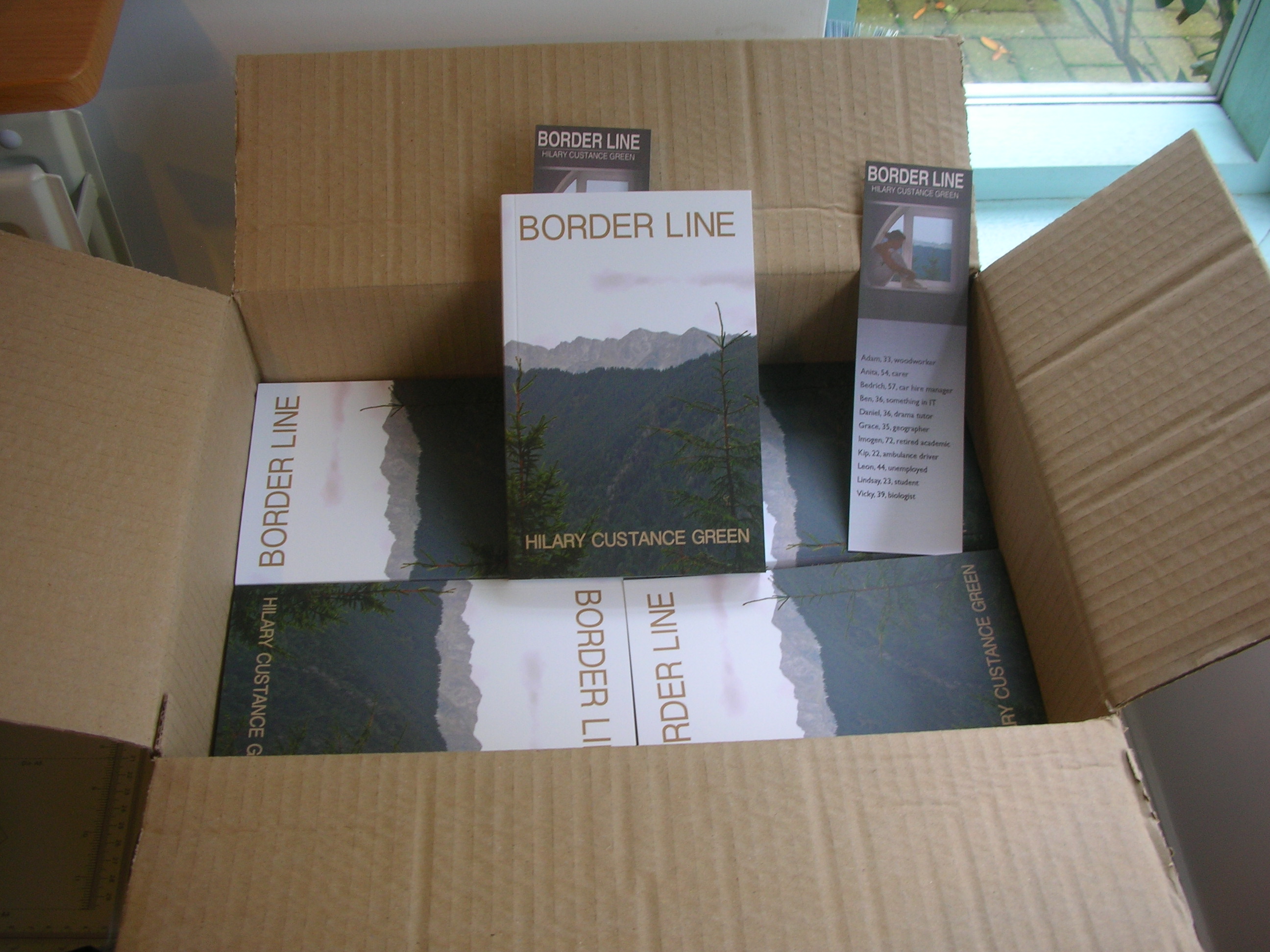
To a large extent this party was a thank you to friends, particularly this who have read, proof-read (free copies) and given feedback on the text and cover of Border Line. I’m not pretending that selling the book was not part of the aim, but you wouldn’t think that this is the recommended method for selling books. However I’m two boxes of Border Line down, six more to go. The bookmark I made, seems to have been a big hit too. Hooray for the old printer!DSCN6773

I brought the greenhouse pepper in after a frost scare last week, and left it as decoration for the party. I am absurdly proud of it and don’t know if I will be able to bear cutting and eating it. How absurd is that?

DSCN6762 - Version 2


Short stories, small books

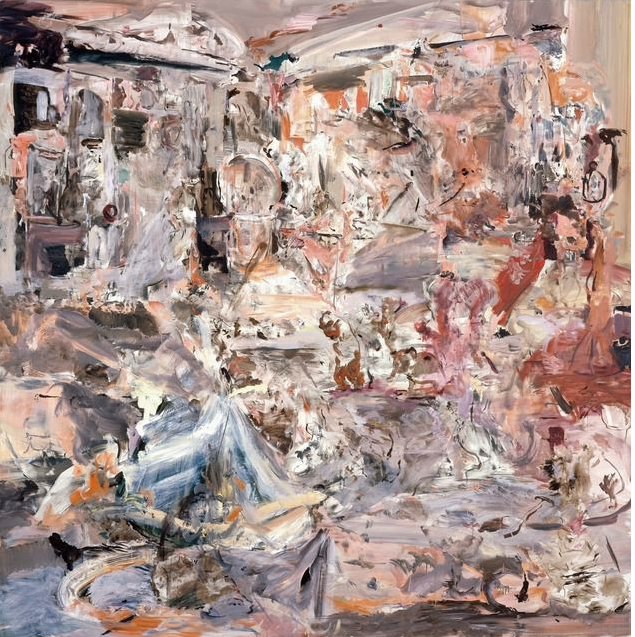
Our short story course at the Sainsbury Centre with Patricia Mullin is progressing nicely and everyone has the beginnings of a story inspired by one of the pictures in the exhibition Reality ( Modern and Contemporary British Painting). Being a fool, or simply greedy, I now have three stories on the go. The front runner at the moment is based on the intriguingly-titled Maid’s Day Off by Cecily Brown.  Screen Shot 2014-10-17 at 20.18.58  I am finding the different styles and story subjects very stimulating and looking forward to the results.
My other delight has been the arrival yesterday of another book from Hercules Editions. These tiny publications give equal weight to text and graphics. This one, by Hannah Lowe, is poetry, photos and information about the precursor ship to The Windrush, The Ormonde, which arrived in Britain in 1947 and brought desperately needed workers to our industries.DSCN6756

Finally, tomorrow is the day of the local launch for Border Line, a ship with an unknown fate. DSCN6758 - Version 2


A sticky undertaking

[M-R look away now]

I had this great idea for my Border Line book launch, it would be an afternoon affair with tea, coffee and cakes… so simple. The only problem is that I really cannot bake cakes and I have more than sixty hungry people coming on November 8th and I do want them to feel good (and, of course, buy books). I have ordered some mini cakes from our village café (lovely but expensive), and my daughter will help. Still, I am a tad concerned. I have in the past made passable fruit cakes, and they keep, so I thought I’d start with these.

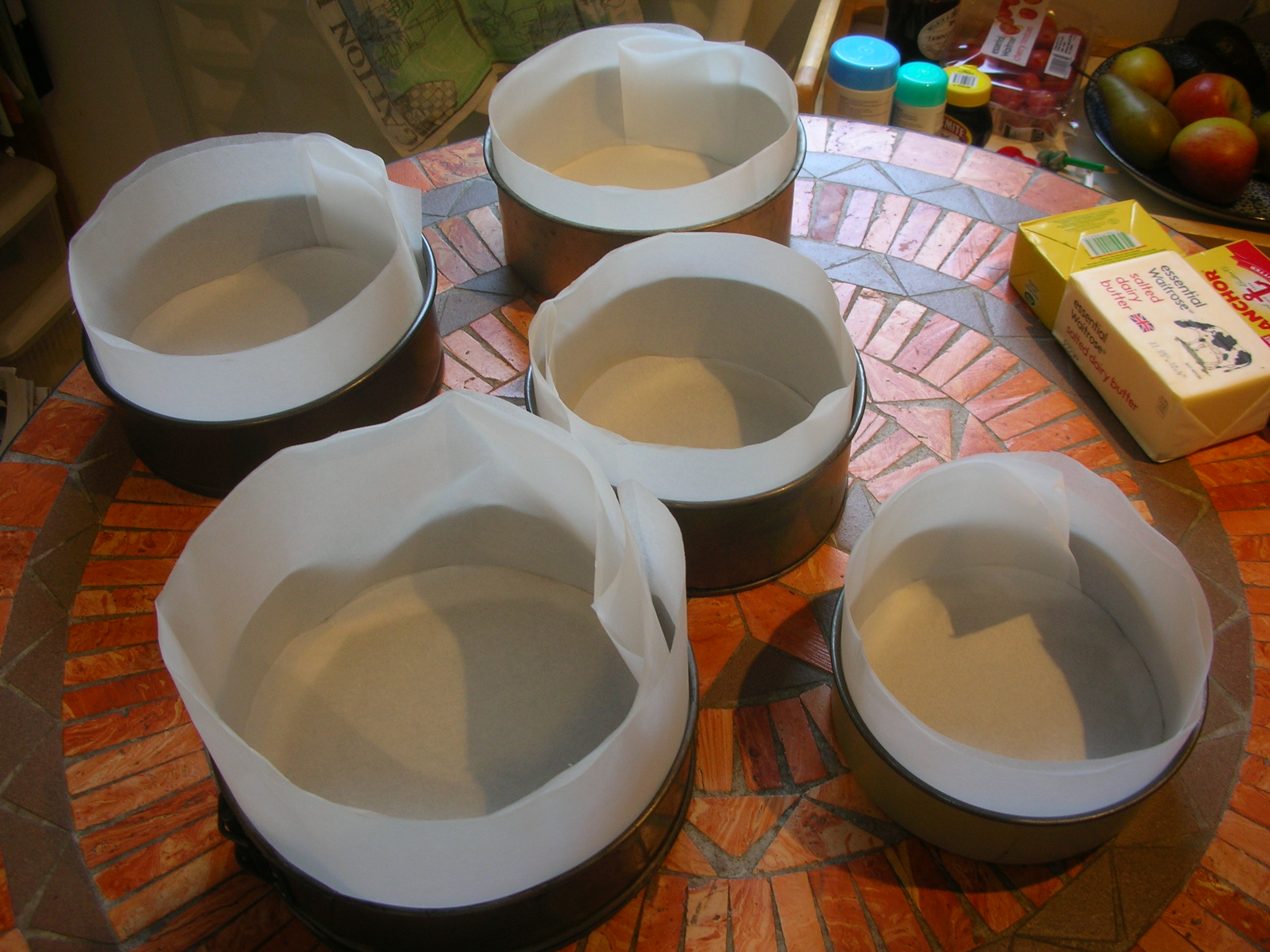
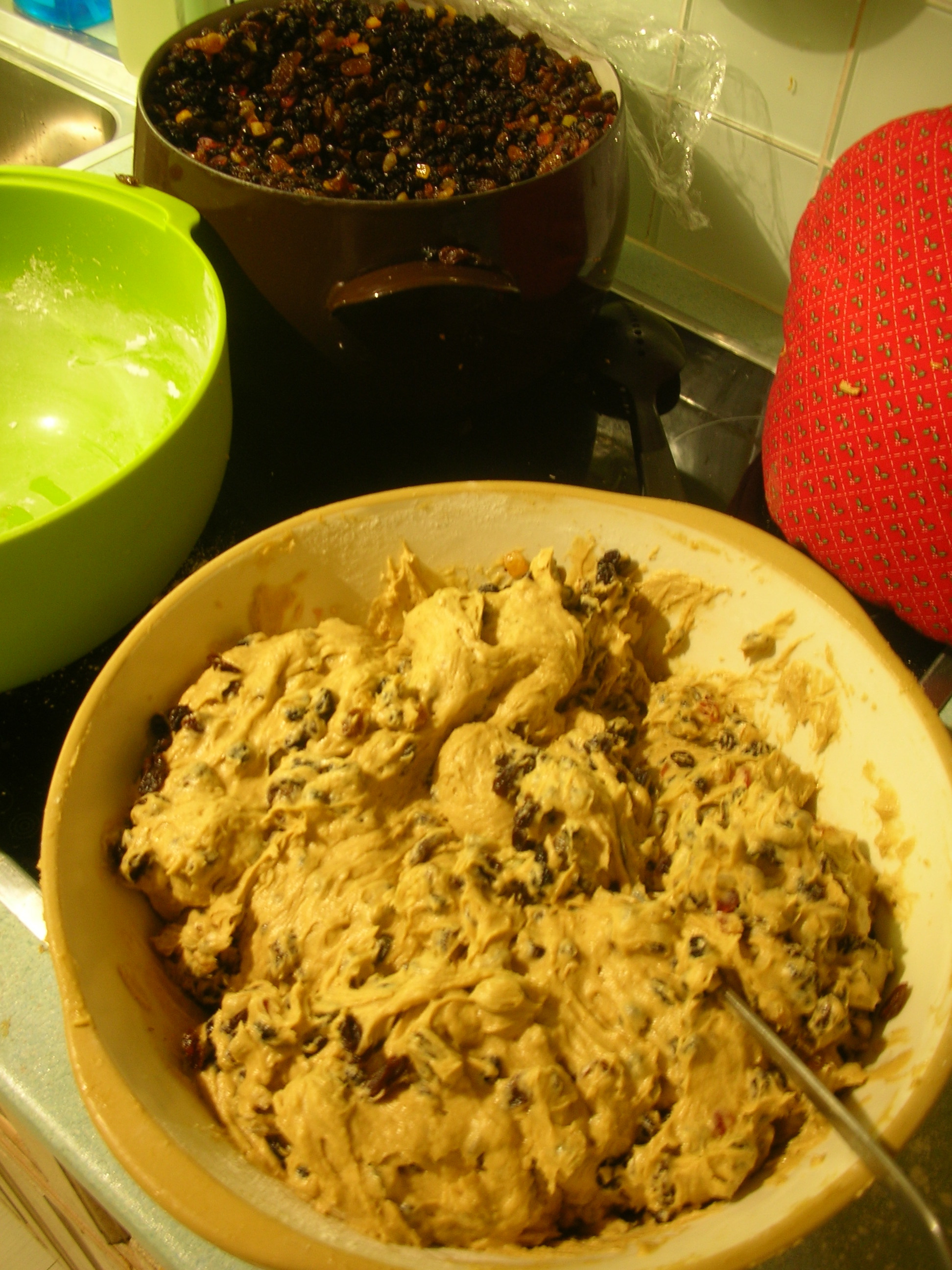
I found five suitable tins, did some maths, but stupidly did not really take in the quantities I was juggling with, and started mixing currants, raisins, sultanas, glacé cherries and candied peel prior to soaking them in brandy.DSCN6648Of course, I didn’t have containers built for this scale of catering, but after a sticky 20 minutes, managed to mix the fruit fairly evenly for overnight brandy-soaking.DSCN6653 Next afternoon my task started with preparing the tins – I’m a dab hand at this, but it takes time.DSCN6671 I’m finally about to get started when the Broadband engineer arrives. We don’t normally keep the phone and the router in the kitchen, but our main telephone socket is there and and our internet provider is insisting we use this socket until the problem (now three months old and this is the fourth engineer to visit) is sorted. I clear the table. After an hour the engineer has (Halluljah!) taken router and phone to husband’s desk.

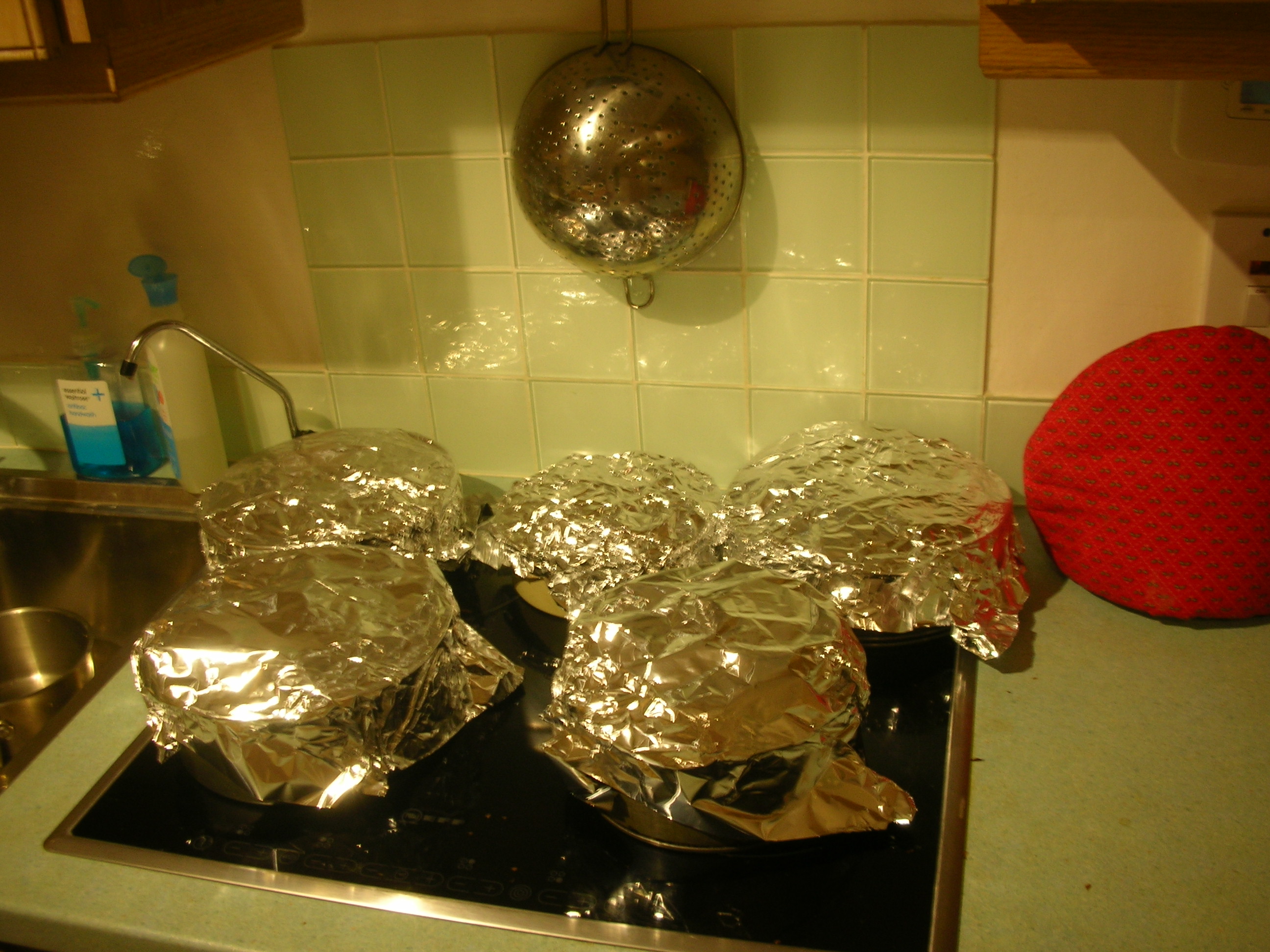
I assemble all the other ingredients and start measuring – we’re talking twenty eggs here and 2 1/2 kilos butter never mind the flour, sugar, spices etc. [The glass of wine is merely a kitchen aid]. So I run to a neighbour to borrow some mixing bowls and decide I’d better cream the butter and sugar in two lots. DSCN6679 My maths is suspect as I have more fruit than I will ever be able to put into the two lots of mixture. DSCN6676By the time I have grated five oranges, five lemons, added all the final ingredients, filled the tins and put them in the oven, it is 8 pm and we are HUNGRY.DSCN6680 The cakes are supposed to take a minimum of four hours. I take some out at 3 hours and the others at midnight, I have a horrible fear that I have overcooked them (death to fruitcakes).DSCN6681In the morning they at least look the part. I shall feed them with brandy and perhaps display them temptingly, but out of reach, on the day. DSCN6683I now have about a kilo of brandy-soaked fruit unused and a small bowlful of uncooked fruitcake mix.

Although I enjoyed the mud-pie side of hand mixing the dried fruit, I think, on the whole, I’d better stick to writing.

A vintage car, Middlemarch and hedgehogs

Not having blogged for a while, this post includes a somewhat random collection of subjects. There will be short stories and more paintings again next time.

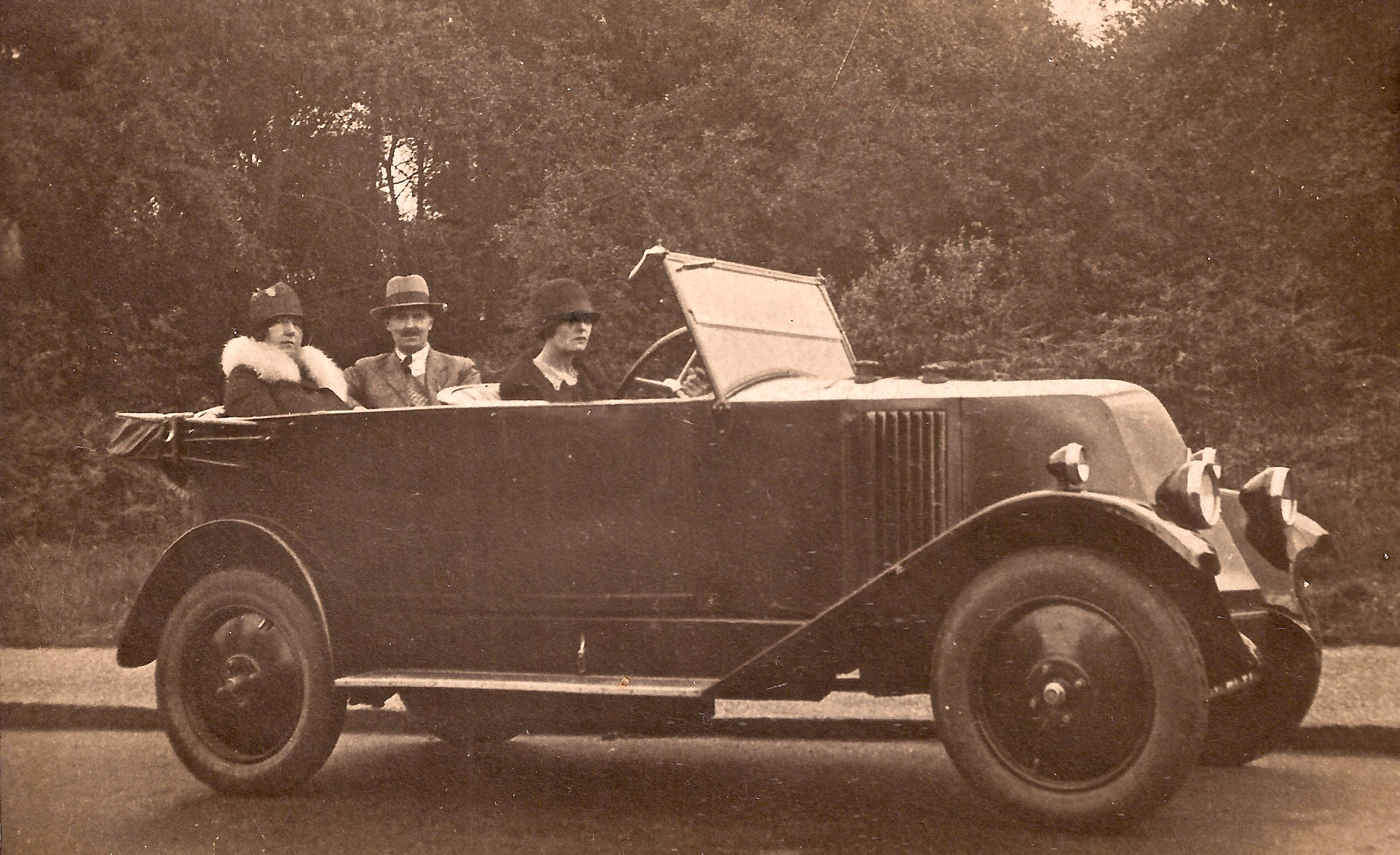
First, can anyone identify the make of this English car of the 1920s? Olive's Car MJ

Next, while I blush at the years that have passed before I got around to reading Middlemarch (George Eliot), I finally accomplished this. If I had read it as a schoolgirl, I might have been a better writer, but hopefully it is never too late to have an improving influence. Eliot has a way of lightly skewering a character onto the page, with the result that they are forever real in your mind. There are no saints or villains to be seen; every character has strengths and weaknesses, can fascinate or disgust.

A few words on Mr and Mr’s Vincy’s relationship with their daughter, Rosamund, tells so much about all their characters.

Vincy, blustering as he was, had as little of his own way, as if he had been prime minister,…

Rosamund… listened in silence, and at the end gave a certain graceful turn of the neck, of which only long experience could teach you that it meant perfect obstinacy.

 And Bulstrode’s endless rationalisations are a total giveaway of sanctimonious hypocrisy.

… is it not one thing to set up a new gin-palace and another to accept an investment in an old one?

The fates treat everyone with impartial kindness or cruelty according to random whim. Yet  the plot is tight, intricate, totally believable and immensely satisfying. This is exactly what the title implies, a novel woven round a community, and yet this is no old-fashioned pastoral, the individual stories still grab you today. People’s mistakes and aspirations are still recognisable today. I’d better stop. Basically, Eliot has all the skills I am striving to acquire and my envy of her is too blatant.

I started Middlemarch in high summer, but autumn has more than set in. The hedgehogs are still feeding; we almost tripped over one last night, snuffling just outside the back door. He scuttled off, but returned quickly when I put food out. They will not eat in the rain, so if it is wet we put the plate under the back porch. Finally, my favourite rose, Just Joey, has decided to have a final summer fling and the cosmos chocamocha is flowering madly. DSCN6632 - Version 2


Reading pile-up and Reality exhibition

My reading has reached crisis proportions. Middlemarch, which I started months ago, has been cruelly and endlessly sidelined, though each time I pick it up, I am right back in there, the characters are old friends and I am in happy awe of Eliot’s every, exact word. Grabbing a volume slim enough for handbags and waiting rooms, I also started Goethe’s The Sorrows of Young Werther, the story source of an opera. For iPad reading on trains, I have Carol Balawyder’s Mourning has Broken, a very moving and fascinating set of essays. Also downloaded months ago, Chimamanda Ngozi Adichie’s Americanah, which I foolishly started… just to see what it was like. Sandwiched between these, but finished, have been a list of nine books both light and heavyweight and ahead are another five books to read ‘immediately’.

So, I made a resolution, NO NEW BOOKS until all the above are finished, and I MUST  carve out some real writing time.

I have just started a ten-afternoon writing course at the wonderful Sainsbury CentreScreen Shot 2014-10-10 at 12.35.40    Screen Shot 2014-10-10 at 12.39.35             at the University of East Anglia (UEA). I signed up for this at a low moment when re-reading the final, supposedly fully edited, manuscript of Border Line, and having concluded that I still had everything to learn about writing.

The course tutor is Patricia Mullin, so I downloaded Patricia’s novel, Gene Genie, and have been reading that on the train.

The writing course is attached to the current exhibition of modern and contemporary British painting, Reality. This is a stunning exhibition (no photography allowed), but we have a free run of the exhibition for the ten days of the course. Many paintings have intrigued me, but one by John Keane (website screen grab), has set a story going in my head.

Screen Shot 2014-10-10 at 12.19.51

His other work is fascinating too and on his website he says:

I am interested in the process of painting, and I am interested in why 
human beings want to kill one another for political ends. These two 
apparently diverse preoccupations I attempt to reconcile by smearing 
pigment around on canvas in an effort to achieve a result whose success 
can be measured by how well it disguises the sheer absurdity 
of the attempt.

And what is the writing course homework? Trawling for great opening lines and writing our own story first lines. I spent a happy and feverish week reading old favourites: Kipling stories (The Maltese Cat, Without Benefit of Clergy, Little Tobrah, The Head of the District etc), and Salinger (For Esmé With Love and Squalor etc), Saint Exupéry (The Little Prince) etc, etc, etc I also opened all my most-loved books, only to find that the majority had nothing dramatic about the opening lines. They were often quite conversational. Though one of my favourites is Mary Renault’s The Last of the Wine which opens:

When I was a young boy, if I was sick or in trouble, or had been beaten at school, I used to remember that on the day I was born my father had wanted to kill me.

Is it just me, or are others caught in the same reading maelstrom? How does one extract oneself, brain intact, from such a reading pile-up? (sorry about mixed metaphors.)

I shall go and sweep some leaves and pretend that my list of tricky phone calls to promote Border Line can just as well be tackled next week… I read this and then made myself ring a local newspaper.

Knot garden revisit and quick fix

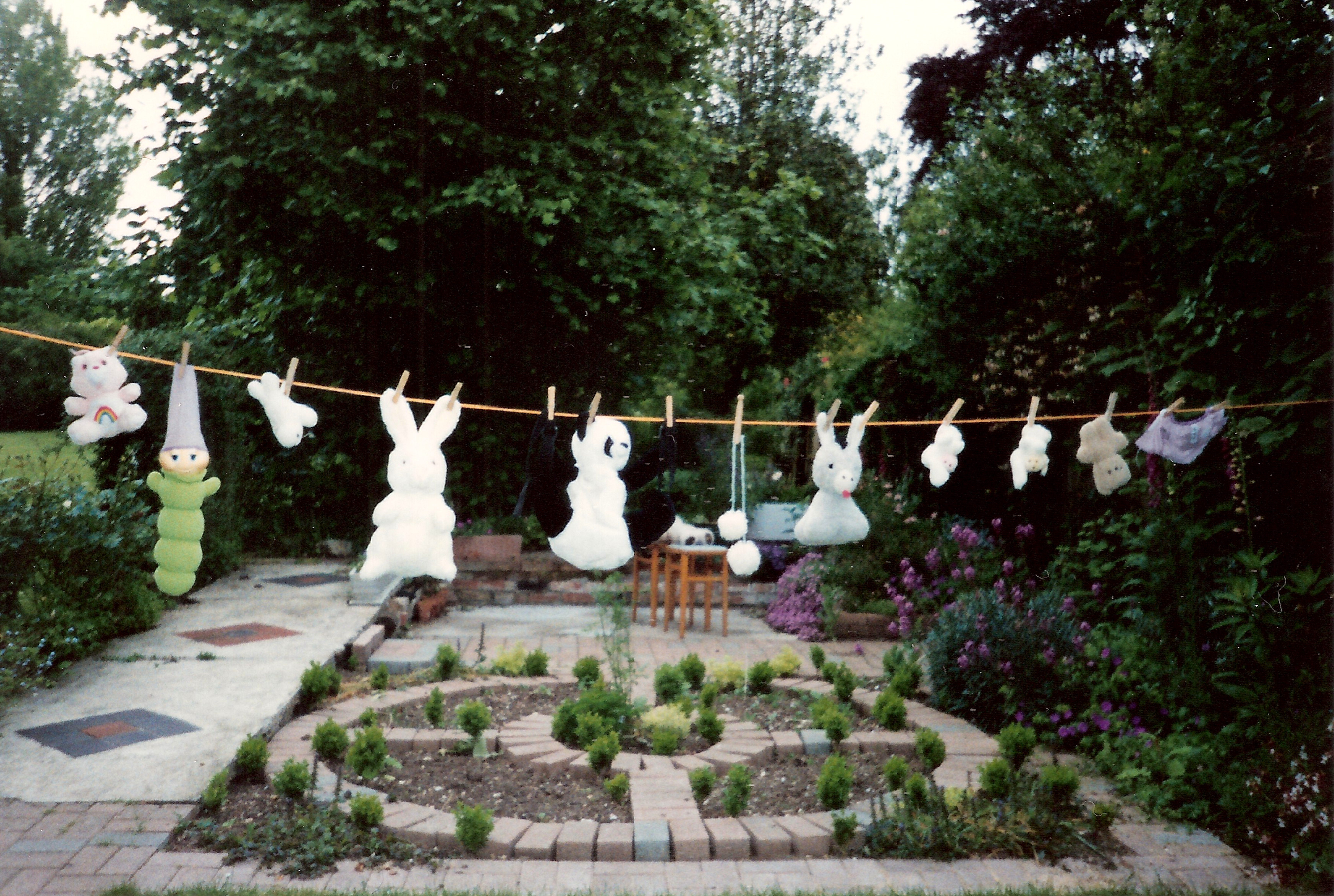
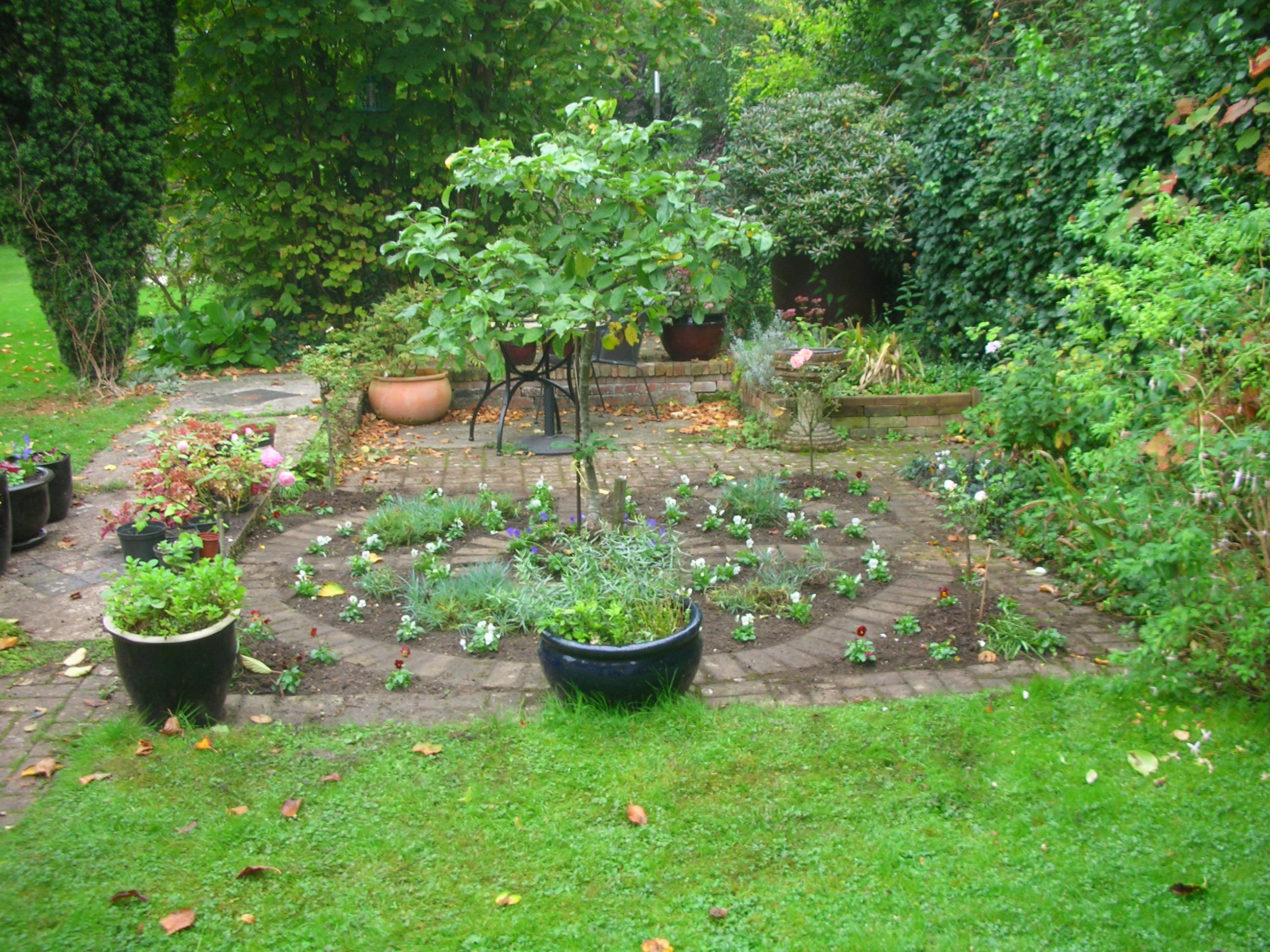
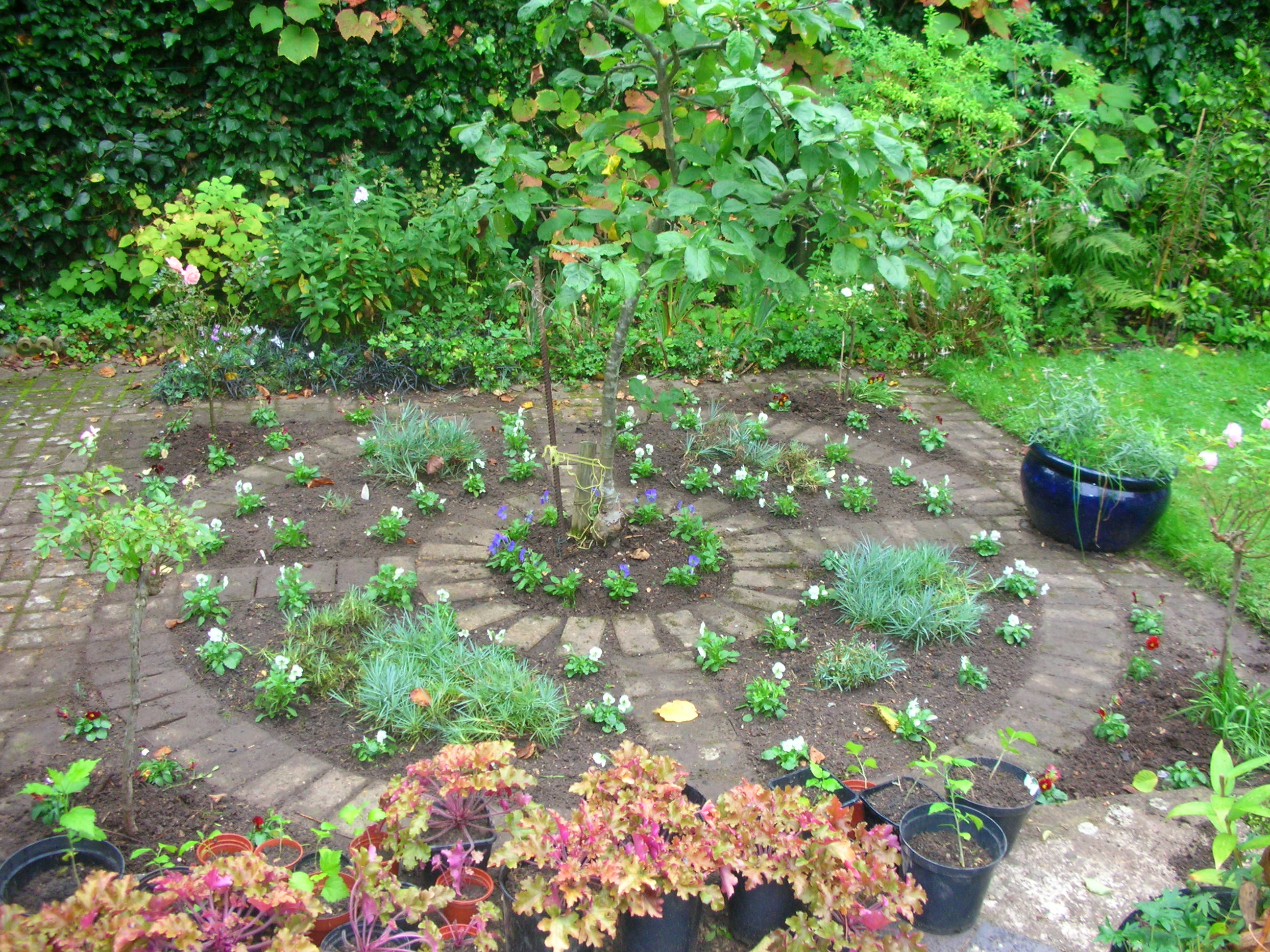
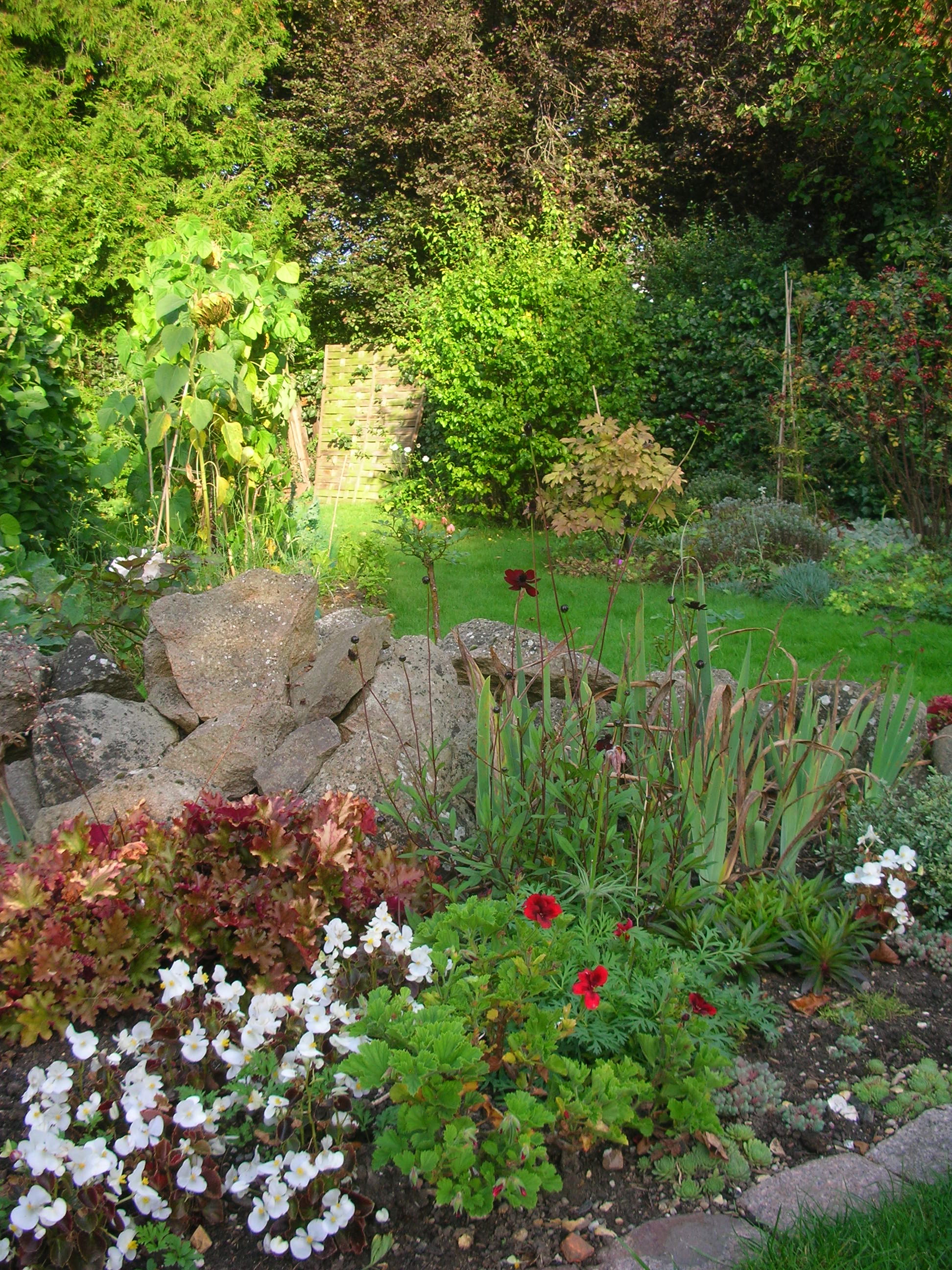
Can’t think how I missed this event in the knot garden’s early life. Knot garden toysIn order to enjoy planning a new vision for this area, but still have it presentable in November when the Border Line launch party takes place, I have gone for the quick fix. I found much satisfaction in getting to grips with soil, bricks and plants for a few hours after so much desk time. There is nothing like labour for the spirits. DSCN6609

DSCN6612DSCN6616DSCN6601A late summer flourish.DSCN6599DSCN6596 And the lovely Wollerton Old Hall is giving its all.DSCN6620


I have started a ten-afternoon writing course attached to an art exhibition. More anon.

The Goldfinch – writer versus reader reviews

As a writer, I gasped in awe and groaned with envy; as a reader I was anxious, sickened and maddened.
DSCN6538 - Version 2
As a writer: I acknowledge The Goldfinch as a masterpiece. The scope is vast, the subject matter complex and requiring much detailed research. The writing itself is a delight, bringing all the senses alive moment by moment. I can only envy the mastery that enables Donna Tartt to use every word in her vocabulary. She describes small events over several pages rarely boring the reader or (presumably) causing her editor to asked for a 20,000 word chop. Even the simplest description is luxurious:

The sun didn’t seem to rise until about nine in the morning and even then it was hazed and gloomy, casting a low, weak, purgatorial light like a stage effect in some German opera.

She has superb control of tempo and keeps the tension ratcheted up, even while taking long descriptive detours. This is, as reviewers have noted, a Dickensian novel. It is also, as a friend pointed out, a magnificent, classical tragedy – a single blow of fate that then tangles the protagonist, and all who come in contact with him, in a network of misfortune. The ending, however, varies from the classical pattern.

In the last 70 or so pages, the three main characters step out of role and the authorial voice whispers and then starts shouting. In fact the whole of the end, as my friend again pointed out, tells of it’s American origins and the American reader’s expectations. The ending is, in many ways, satisfying, but, as a writer, I would judge it to be unbelievable.

As a reader: The Goldfinch was the kind of book I most dislike. It cleverly and intentionally kept me in a state of mild panic through most of it’s 700 odd pages. I’m sorry to be a wuss, but I don’t like sustained anxiety, aggression, cruelty, aggravated stupidity and characters who persist in being their own worst enemies. I have an enduring fondness for classical tragedy, yet in such tragedies the reader usually occupies a seat next to the gods, looking down on the piddling struggles of the humans caught in the net of fate. You watch them, unable to help, yet able to learn, at the very least, the meaning of hubris. In the Goldfinch, we are asked to hold hands with the protagonist and share in every misguided decision he makes, to experience his loss, his fear, his persistent bad luck and his stupidity. To be moved by a character’s fate, I need to feel love or compassion. I did indeed feel compassion, but few of the characters inspired love and the compassion was drowned out by irritation and fear.

So The Goldfinch was, to me, a very grand, ambitious, literary thriller – but a thriller nonetheless and I sincerely dislike being ‘thrilled’. The essence of being thrilled is to induce fear in the reader. To some this is a form of bone-shivering delight; for me it is acute discomfort. I will accept acute discomfort when reading accounts of the sufferings of Far East POWs, but not in a piece of fiction.

If you get this far you may wonder why I persisted in reading this book. It was a present from a dear friend and both he, and others, have remarked that the opening to my novel Unseen Unsung (2008) has much in common with the opening, the section on the explosion, of The Goldfinch (though mine is just half the length).

‘Those Magnificent Men…’

[This is a post for aeroplane nuts, feel free to pass on by.]

On Saturday we went with aeroplane enthusiast friends to the Imperial War Museum at Duxford. This is an airfield, plus many great hangers, with aircraft spanning both world wars and up to today’s fighting/rescue aeroplanes. I did my best with my little camera. Here we have a Gypsy Moth.

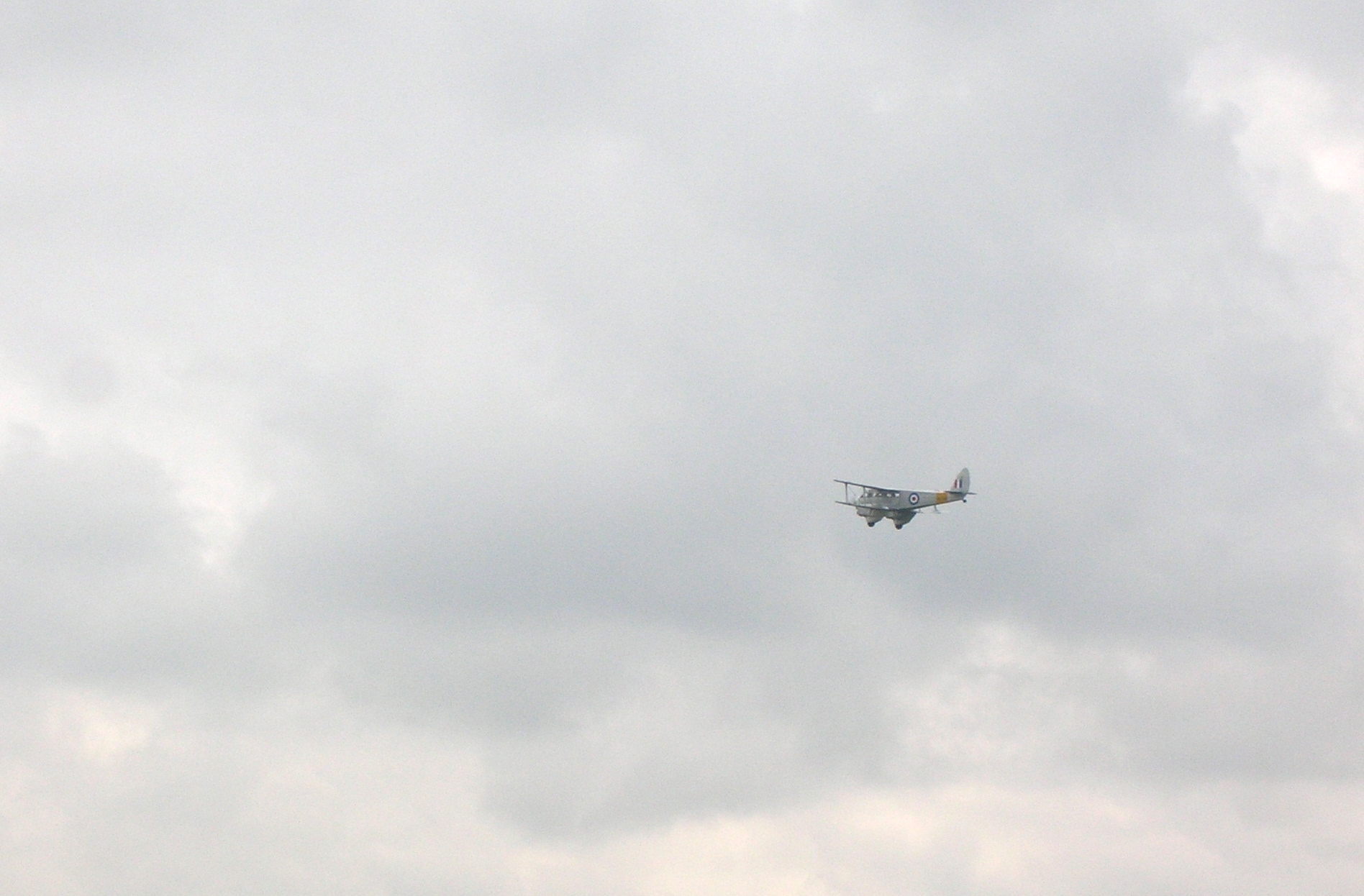
DSCN6312And here is the Rapide from the 1930’s, in which people can take joy-rides from Duxford.

Rapide

Rapide

The Boeing B 17 Flying Fortress Sally B being fettled before she took off. Memphis Belle

One of the most exciting displays was the wing walkers. Here is one warming up.

DSCN6343And here they are in the air. One of them is piloted by David Barrell, who used to be a partner in our local garage, keeping my series of very fourth-hand cars on the road.DSCN6366 DSCN6367 I worry about the G force.

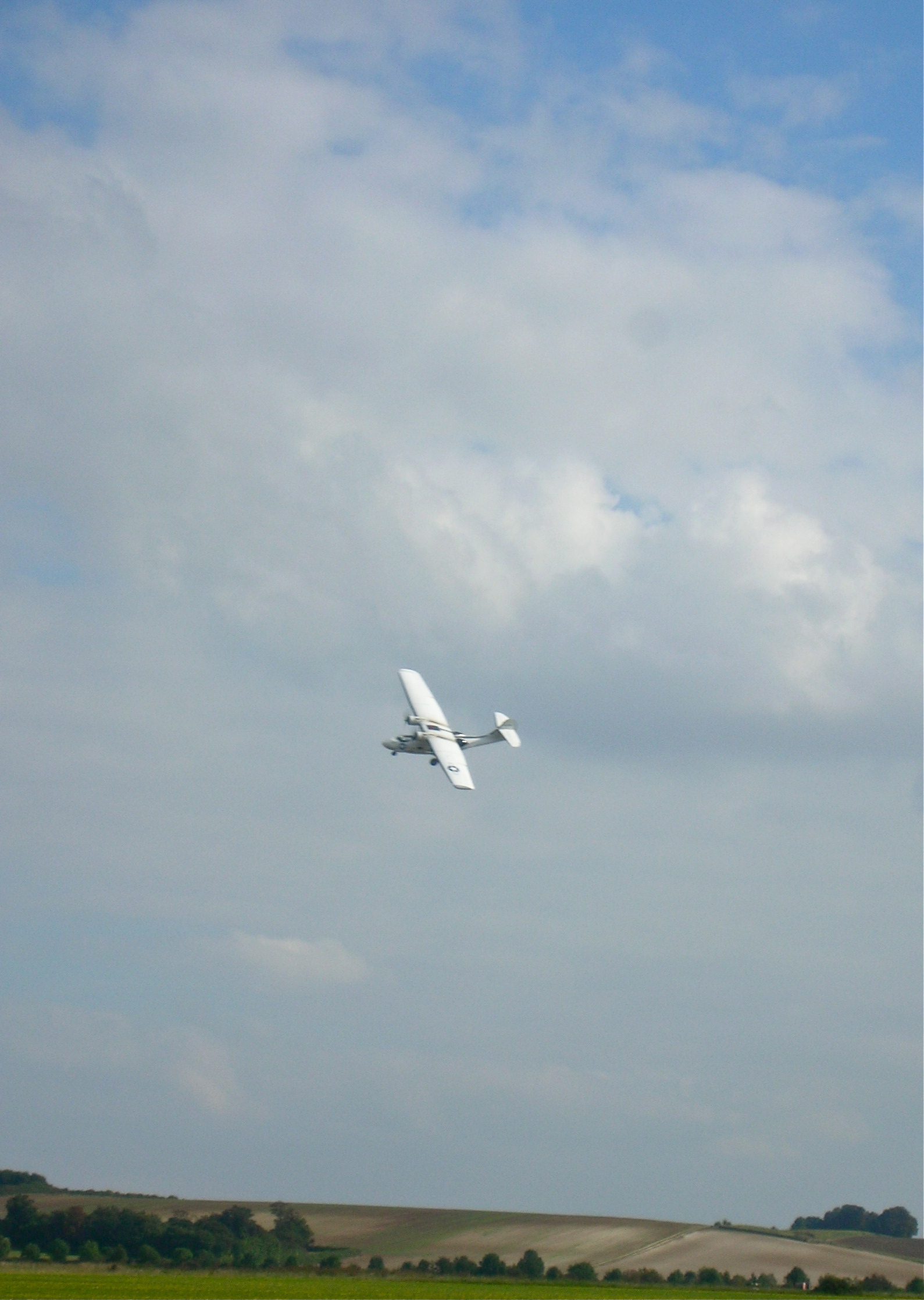
Here’s one (a Shorts Tucano) that sat in front of us for some time. It’s paint job made me think of your blog, Pierre, so this is for you. OLYMPUS DIGITAL CAMERA Though I gather that this wonderful Canadian-built (1943) Consolidated PBY-5 Catalina is more to your taste.

Catalina

Catalina

She was majestic in flight and slow enough for my camera.

Catalina flying

Catalina flying

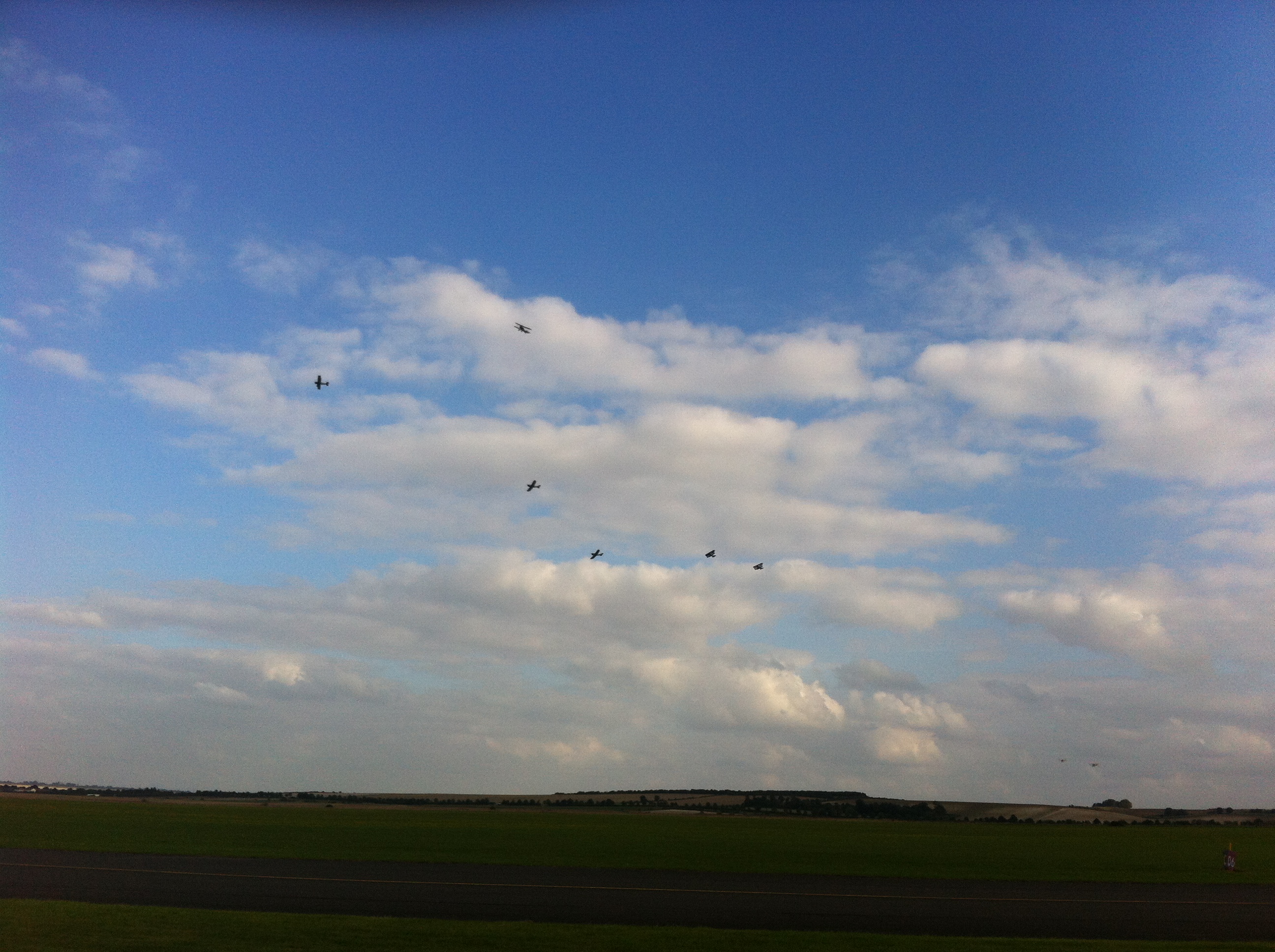
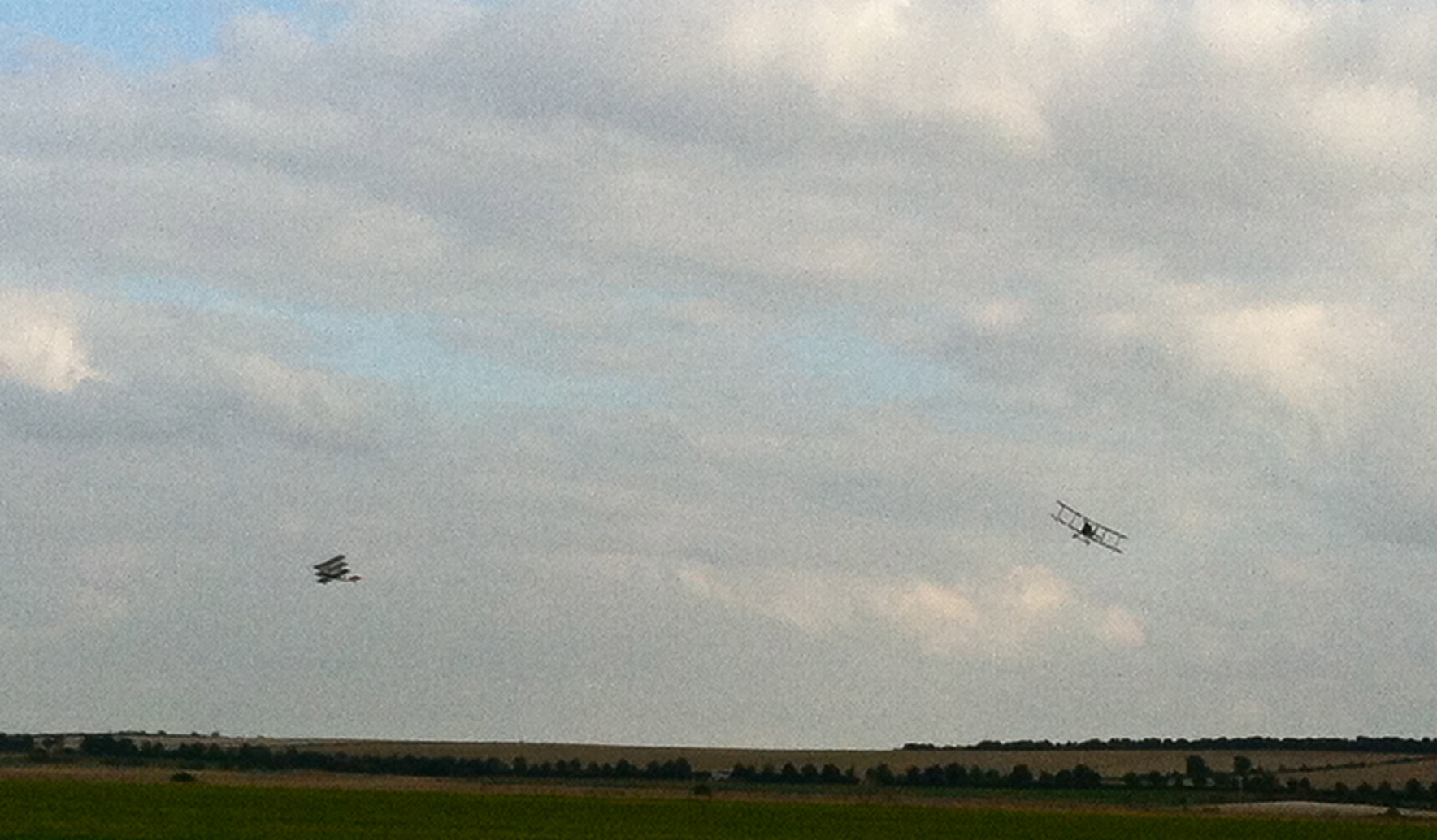
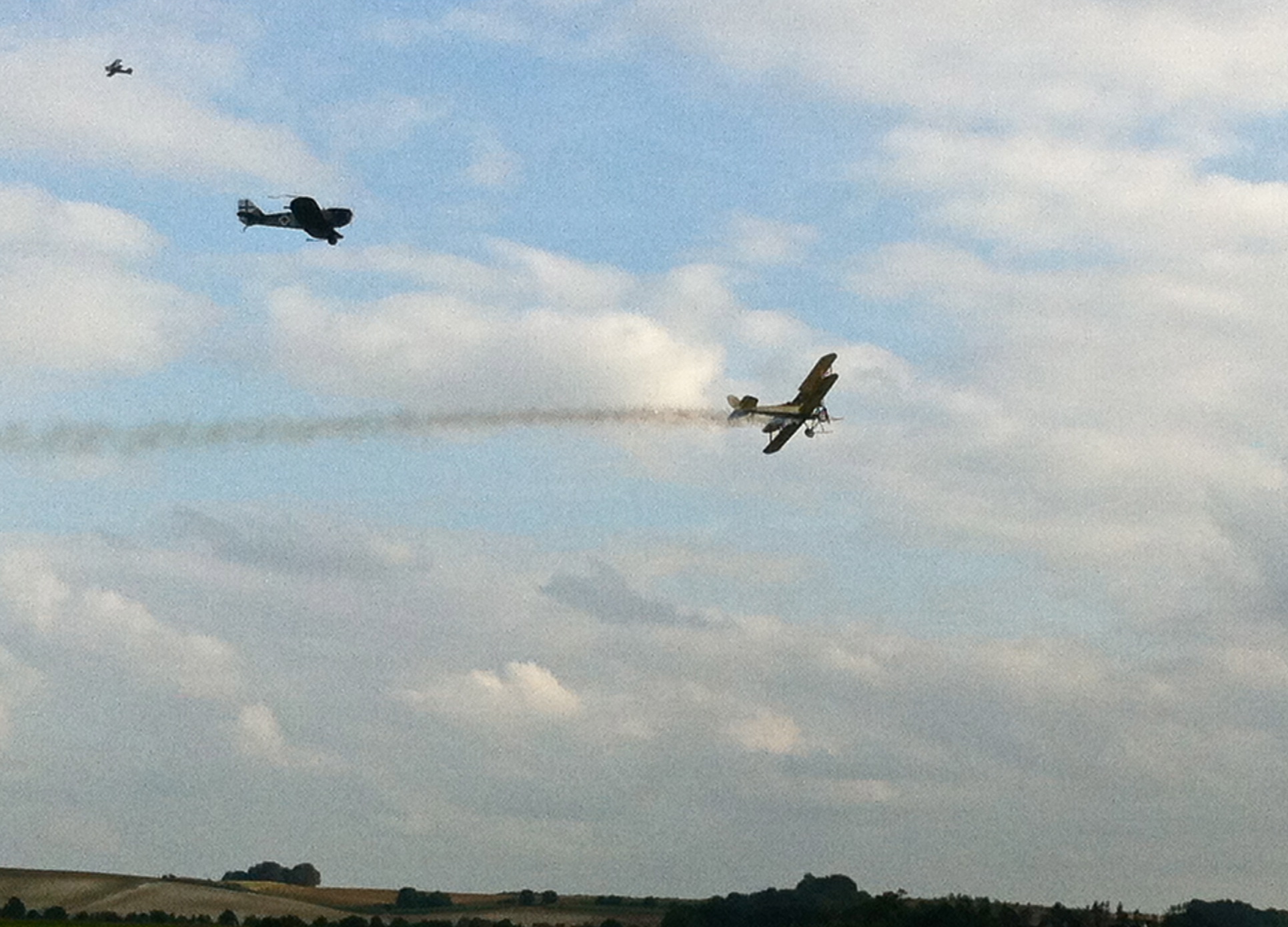
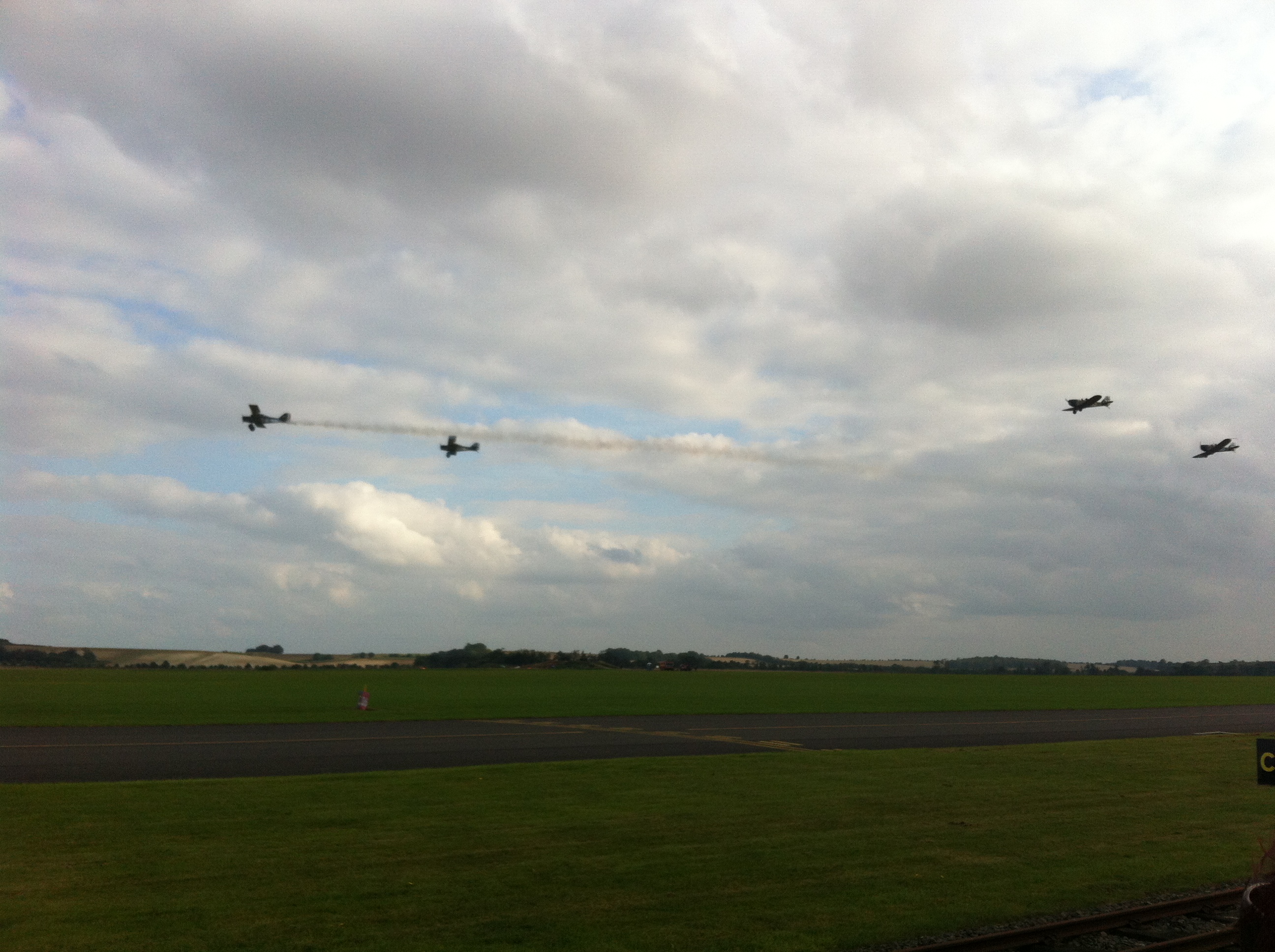
At one point there were four Spitfires and a Hurricane in the air. Here’s just one Spitfire and below a Spit and the Hurricane – CORRECTION – 2 Spits (the second with the squarer wings is a later version).DSCN6454IMG_0565There were many, many highlights in the day, but I particularly  enjoyed the WWI re-enactment using replica planes. These included the 1912 designed, Royal Aircraft Factory BE2; 2 Royal Aircraft Factory SE5a (1917 design) ; 2 Fokker DR1 (1917 design); a Sopwith Triplane (1916 design); and 2 Junkers CL1(1917 design). They appeared over the horizon, having  been flown from another display in Southampton.

IMG_0619IMG_0624

DSCN6471 DSCN6473 DSCN6474

IMG_0652IMG_0662

IMG_0705IMG_0696


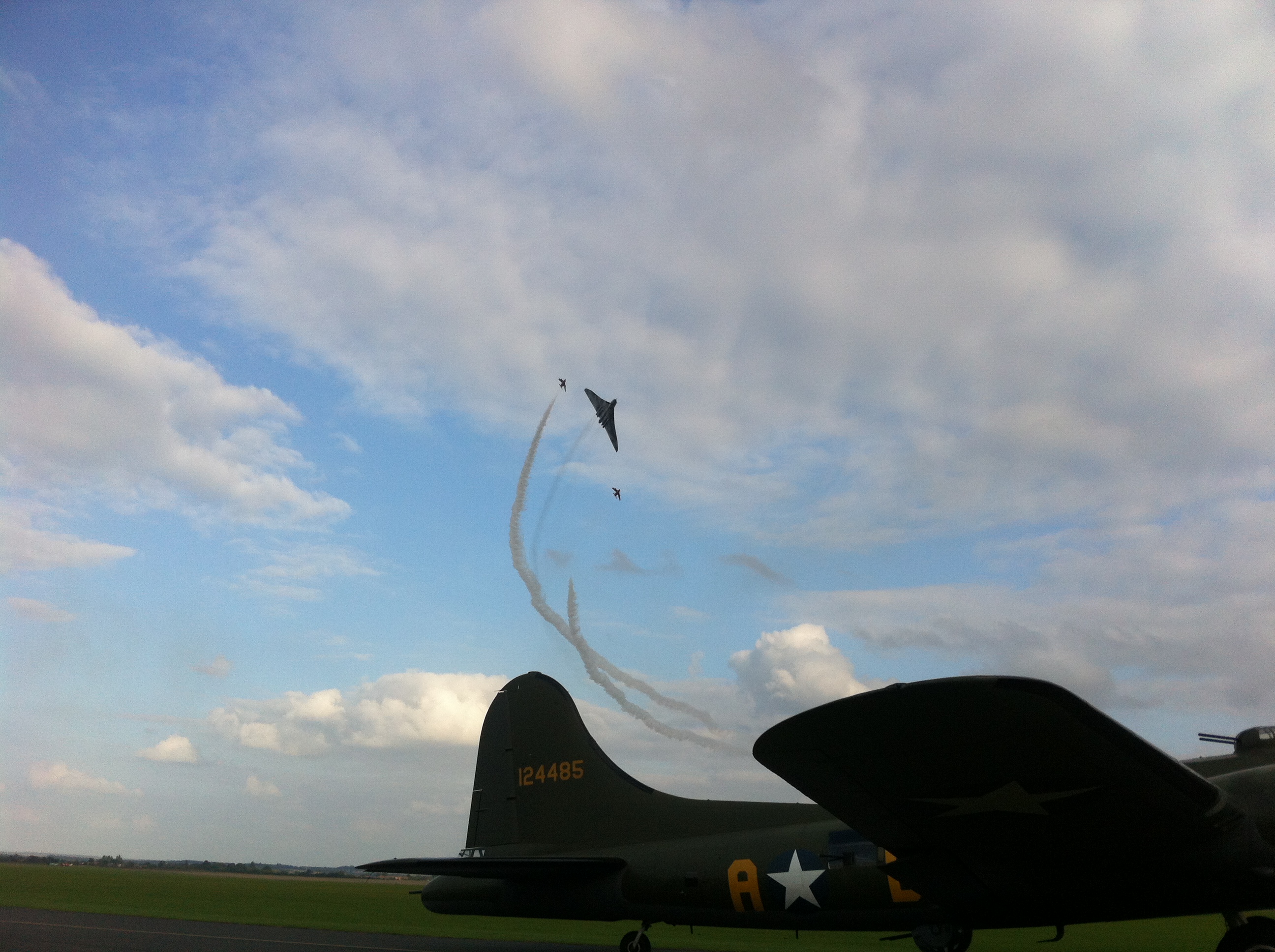
The show ended with an exciting display from an Avro Vulcan and two Hawker Siddeley Gnats. IMG_0730IMG_0732  IMG_0733

There were scores more planes. They taxied up, posed in front of where we were standing, then took off. There was always one, or many, flying at any one time.

The following day, when we were not able to attend, there was a much anticipated visit from a Canadian Lancaster. This plane, Avro Lancaster B Mk X, is one of only two that are airworthy. We hoped it would fly over our house at some time in its display, but we were disappointed (though the Red Arrows flew dramatically over our heads), so here is a far better picture from the Duxford Air Show catalogue. Avro Lancastercopy

And that’s it folks. We had a wonderful and very noisy time. I’ve probably misnamed an aeroplane here or there, so feel free to tell me. And if that seems like a lot of bad photos of aeroplanes, there are another 300 odd…

I did sneak off during the show to revisit the Burma War gallery, where there was a small exhibition of relics from Far East POWs, including some paintings of the POWs at work by Jack Chalker and others. I will return to the POW story – probably after Christmas.

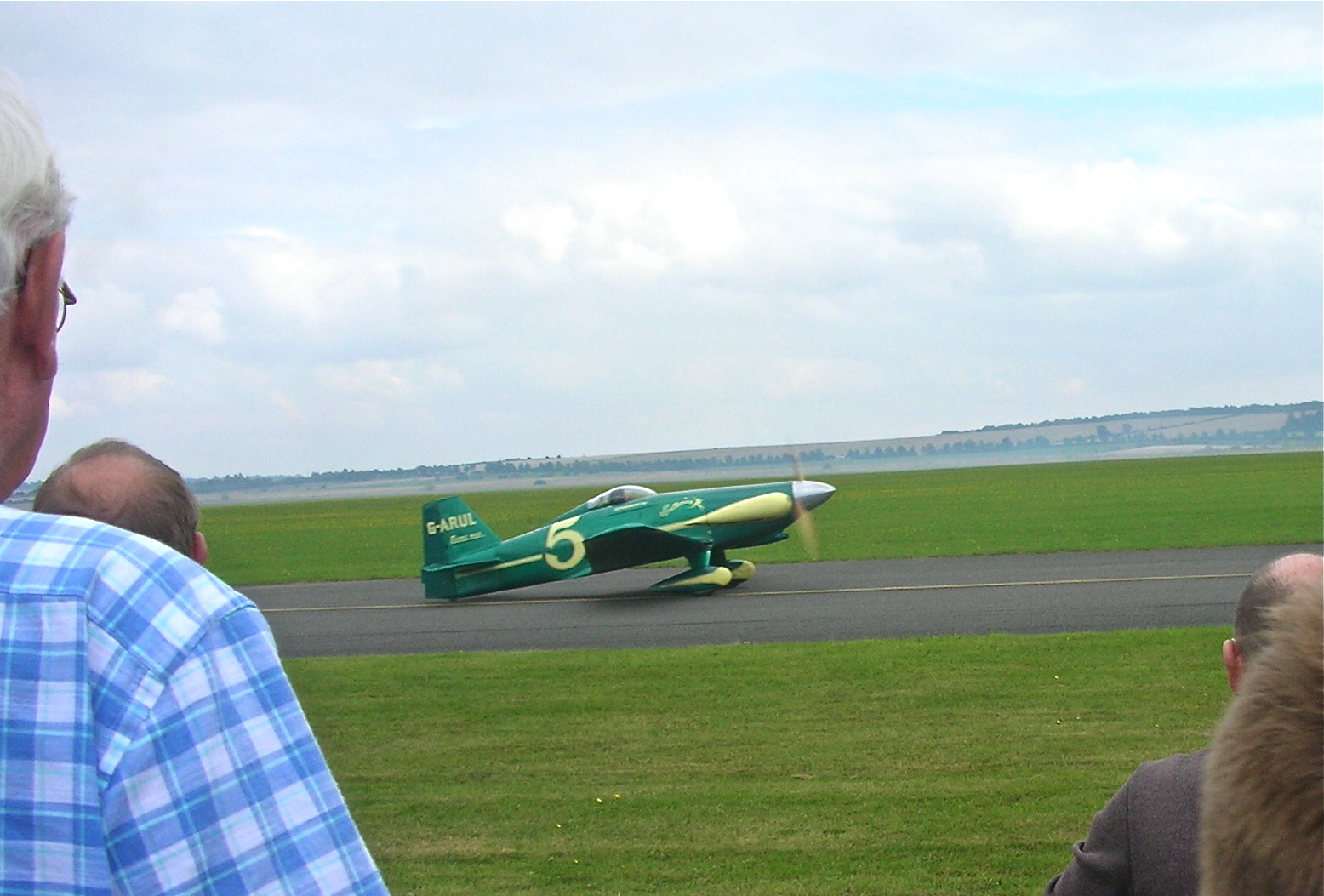
A tiny extra – LeVier Cosmic Wind, Ballerina. One of the original three built in 1947.DSCN6379


Autumn – so soon?

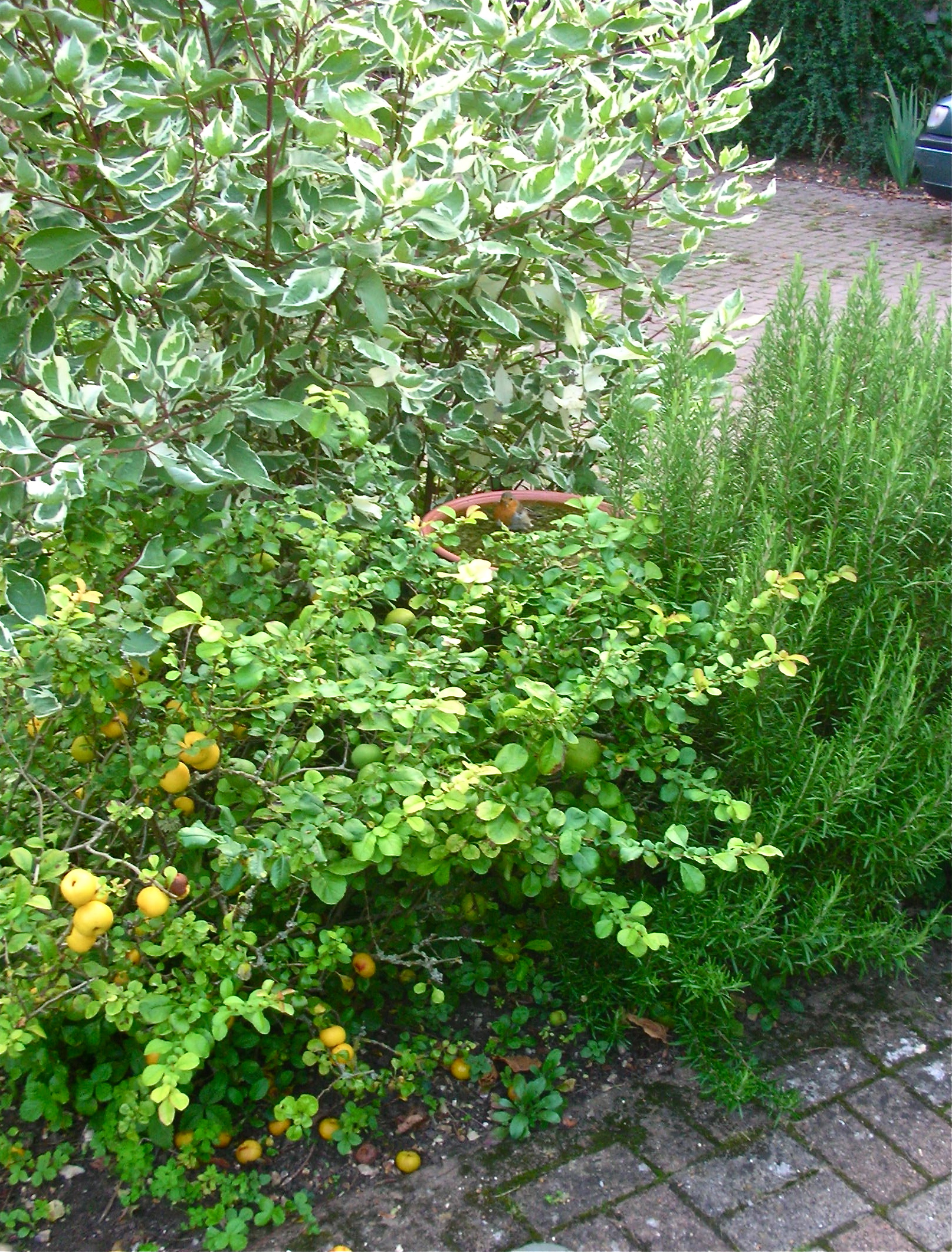
The last few days have been strange and sad, as we try to accept the death of a dear friend. It is difficult to settle to tasks, but I find hard labour is as good a way to consume time as anything else. So I have been clearing the path, closely supervised by a young robin (who refuses to stay in shot). Though you can just about spot him/her taking time out for a bath (in the second photo).

IMG_0516DSCN6298 - Version 2The yellow (Japanese) quinces are all over the path and with my nose to the ground, they smell delicious. This scent, along with that of the lemon balm (a welcome weed in our garden) is very comforting.

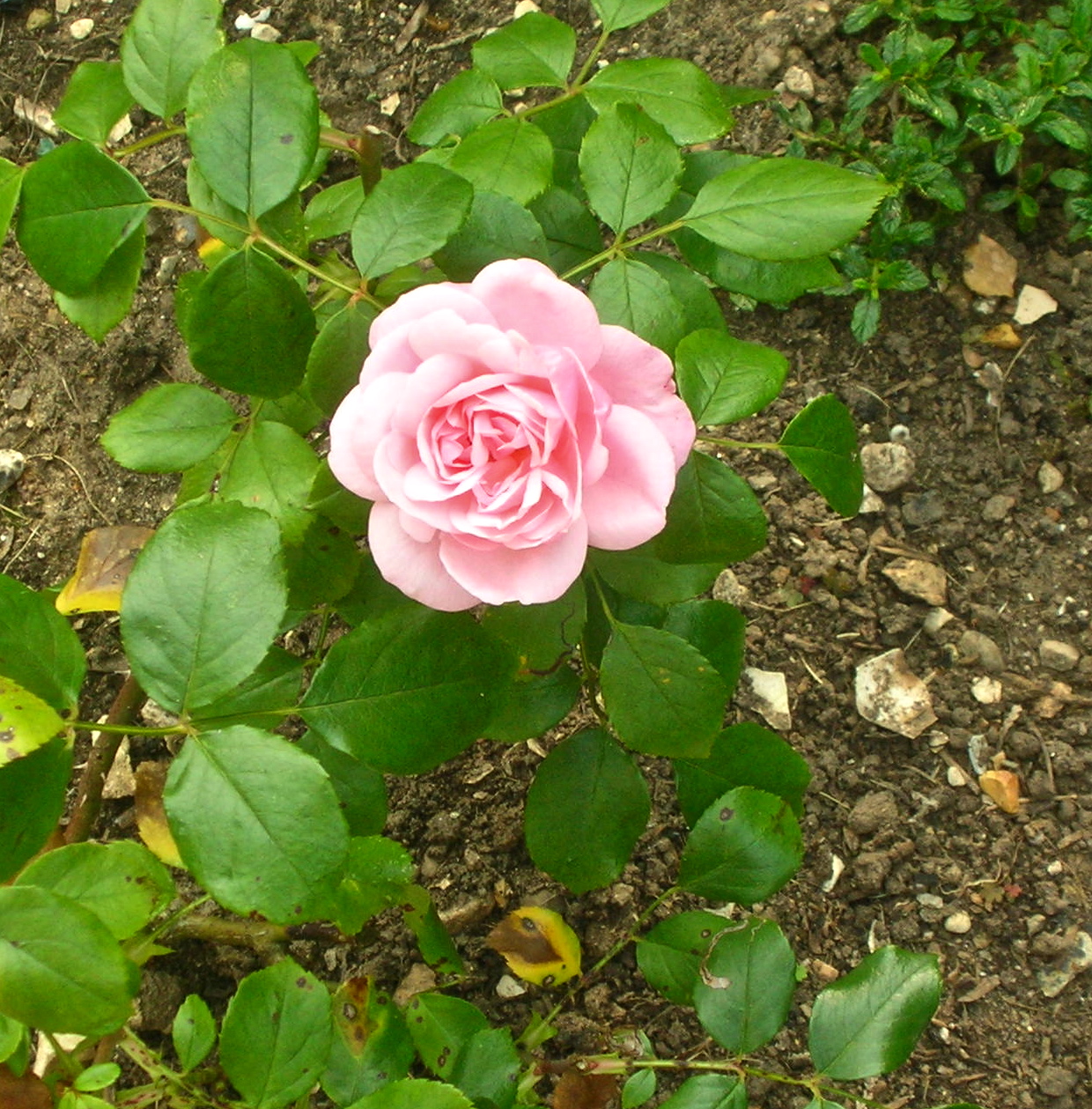
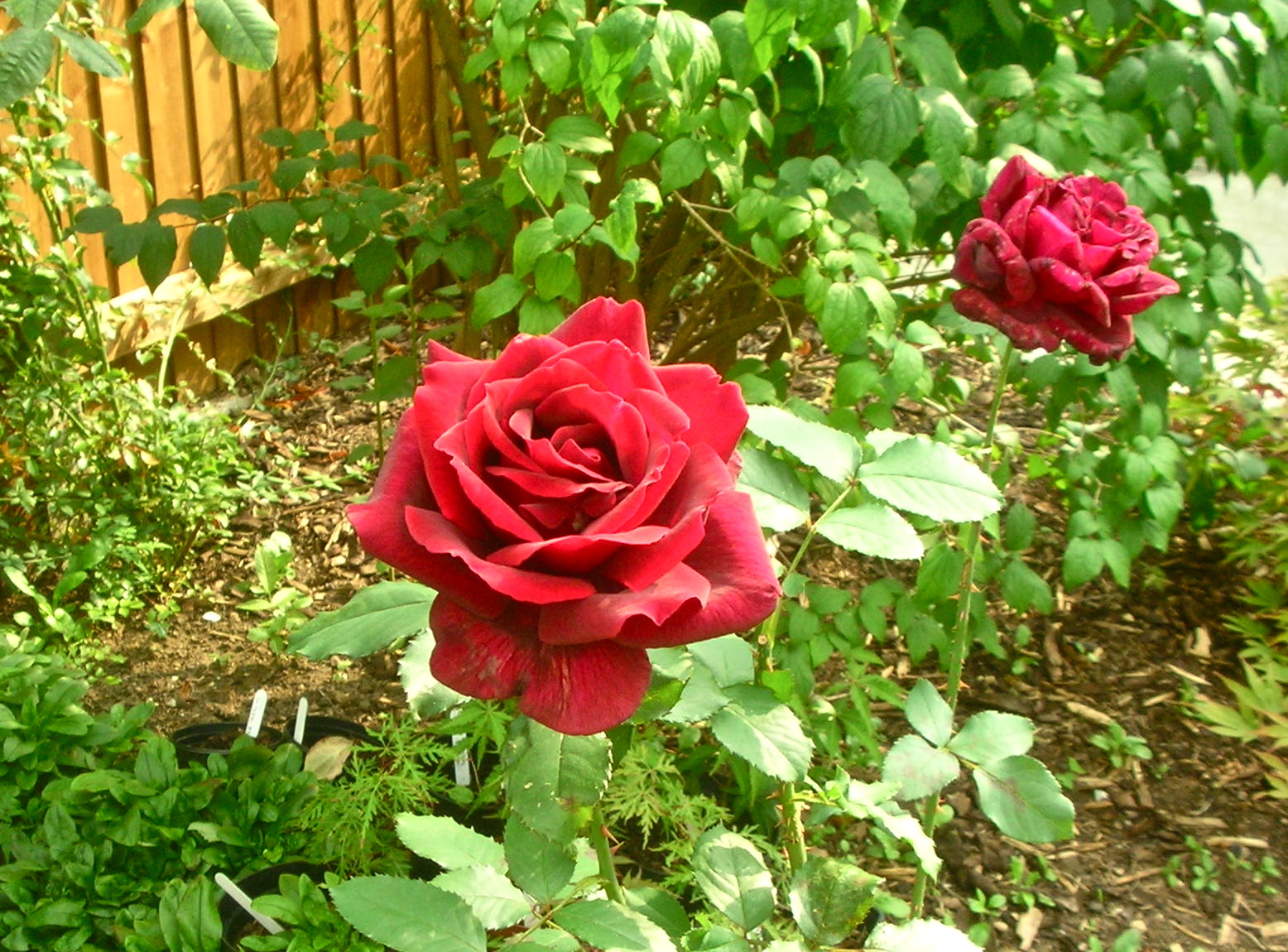
In the nearby playing field, it looks as though autumn base already arrived. IMG_0514 While this Rhododendron Yakushimanum is convinced it is spring.DSCN6299 And the roses (Octavia Hill, Papa Meilland and Wollerton Old Hall) are making the most of the end of summer.DSCN6306 DSCN6308 DSCN6305 Meanwhile this fairy-like fuchsia (magellanica molinae)  has taken over the path.DSCN6304 - Version 3And two of the three martin’s nests are on their third brood – I don’t remember seeing quite such big piles of droppings in past years – with the house painters due in a week’s time. I expect nature will sort things out without any help from us.

(Apologies to photographers (you know who you are) for the rough and ready snaps)