Too many ideas spoil the plot

This about opera, but I have a feeling I’ve been sent a lesson about writing too.

Last night I went to a performance of one of Verdi’s lesser known operas, La Forza del Destino – correction, since I saw it in English – The Force of Destiny. Powerful stuff, you might think, with a title like that. Well certainly complex, with a lifetime of doomed love and revenge for all three of its main characters.

The music for this opera is sublime; a parade of moving tunes and orchestral subtlety, with some humour and drunken revelry to lighten the inevitable fated march of all concerned. It is, however, VERY difficult to stage. It takes place in both Italy and Spain over a number of years, includes battles, pub scenes, a church and a hermitage.Screen Shot 2015-11-26 at 11.18.26

This director opted for The Spanish Civil War (Verdi set his battles in Italy) and EVERYTHING else he could lay hands on. War is not funny, so all of the humour was stripped out (funny arias and characters turned particularly nasty). War is cruel, sadistic and misogynistic – true – so all these factors were hammered home. However, you can actually have too much of a bad thing. When the audience starts to wonder how far the priest is into S & M, or what they are using for blood (in every single scene), or why a warhorse is hovering over a building and was there really a public tearing up of books in that war, and surely that bare girl running was from Vietnam, you have lost the plot and replaced it with too many ideas. You have also splintered your viewer/listener’s attention.Screen Shot 2015-11-26 at 11.15.02Screen Shot 2015-11-26 at 11.14.03 Screen Shot 2015-11-26 at 11.14.38Screen Shot 2015-11-26 at 11.17.18

Verdi wrote a classical tragedy, in which the fates deal cruelly with three particular people in a volatile world. The drama of their story deserves as much respect as the music and much more than the setting.

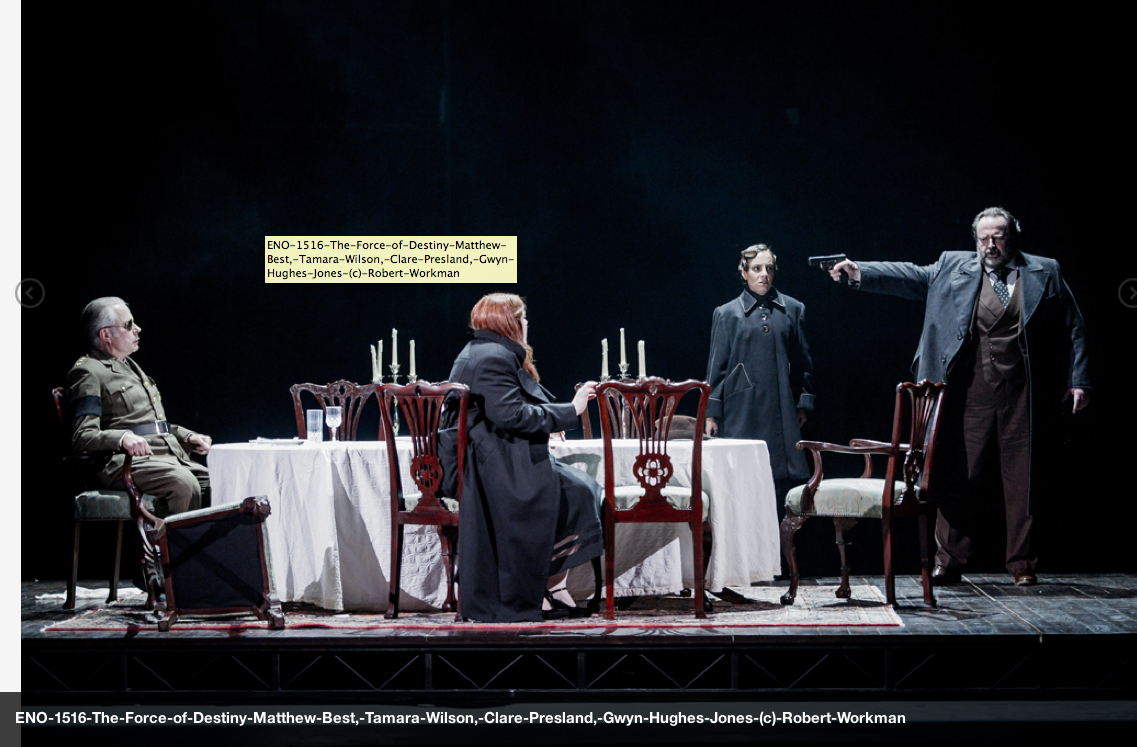
I have another problem with this production. I go to opera for the music and the drama. Understandably, musical ability trumps all else when casting. However, if the director chooses singers who have no physical resemblance to, or are of a different age from, the people they are playing, he/she should (at the very least) minimise the discrepancies by adapting costumes and staging where necessary so that the drama is not lost, or the singers made a mock of, OR the opera become the joke stereotype of its genre (as this was in the first act – image below).Screen Shot 2015-11-26 at 11.16.48In the centre (back to us) you have the beautiful, pure, young woman, whose father (left) refuses to let her marry the young soldier (right) because he is not noble. After killing her father in error, the soldier flees and later (disguised) will become a hero in the army and blood-friend of the girl’s brother (see image 2 above). This brother (also disguised) is searching for the soldier and his own sister to kill them. The girl (not much disguised) enters a hermitage. Everybody dies.
Finally, you can say stuff in Italian that sounds absurd in English. Italian words end in vowels (of which there are few) so many of the lines naturally echo each other. This is emphatically not the same as a rhyming couplet in English, which, unless handled by a skilled poet, often has a nursery rhyme humour to it.

Hope you enjoyed the pictures – all screenshots from the English National Opera website – if not the rant.

The joys of leaf mould and November blooms.

I have spent the last thirty years trying to get some substance and water retention into our dry sandy soil. A few years ago I try to make leaf mould in old compost bags. I checked the bags at 6 months, 1 year, 18 months…  and found… a pile of soggy leaves.

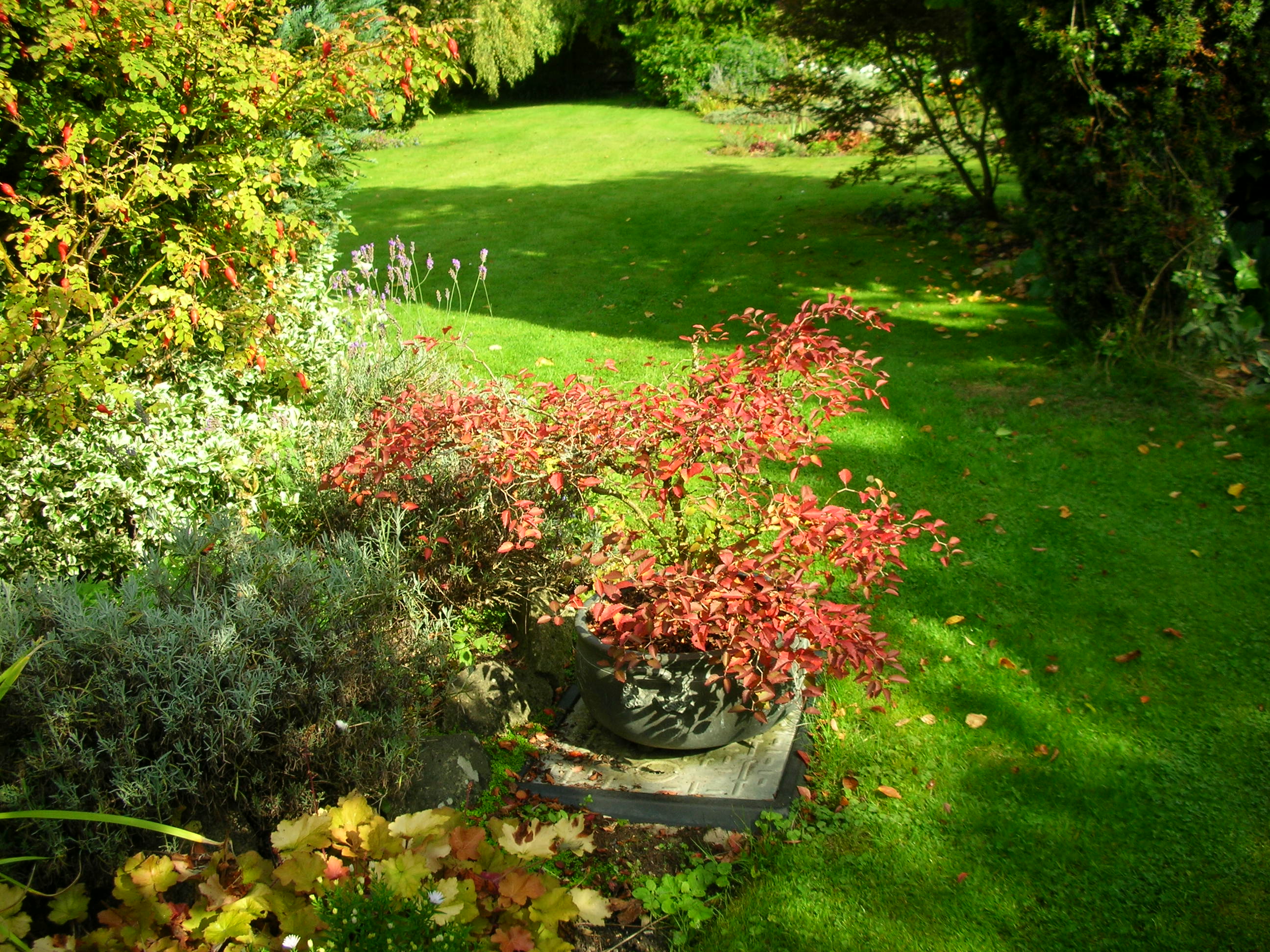
Yet I still felt that autumn leaves were too precious to put in the municipal compost bins. So I netted off an area under the trees at the back of the garden and just threw leaves in there… and there they stayed year after year looking like dead leaves.DSCN8634

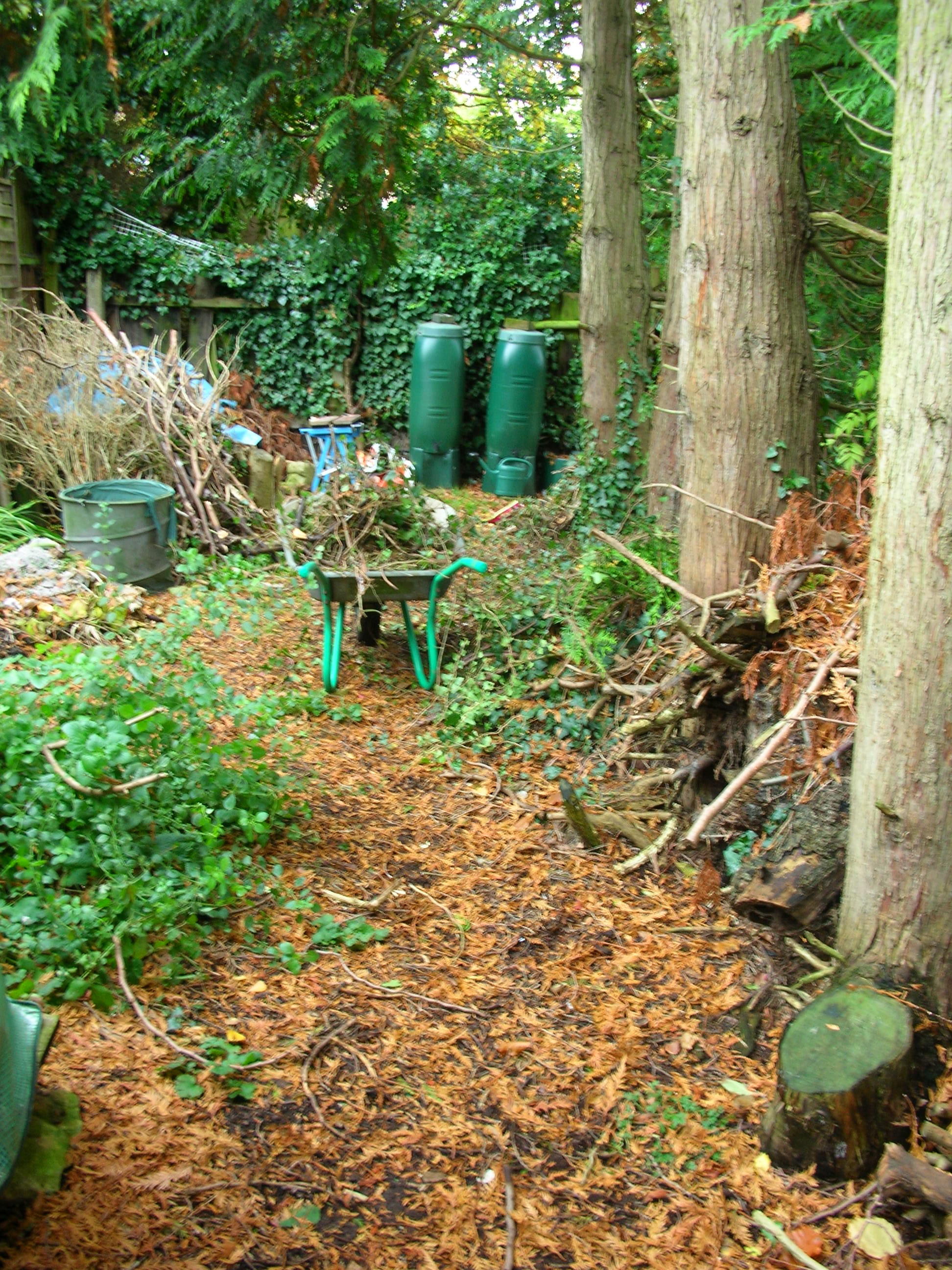
Then a couple of years ago I was clearing a corner by the water butts DSCN8638
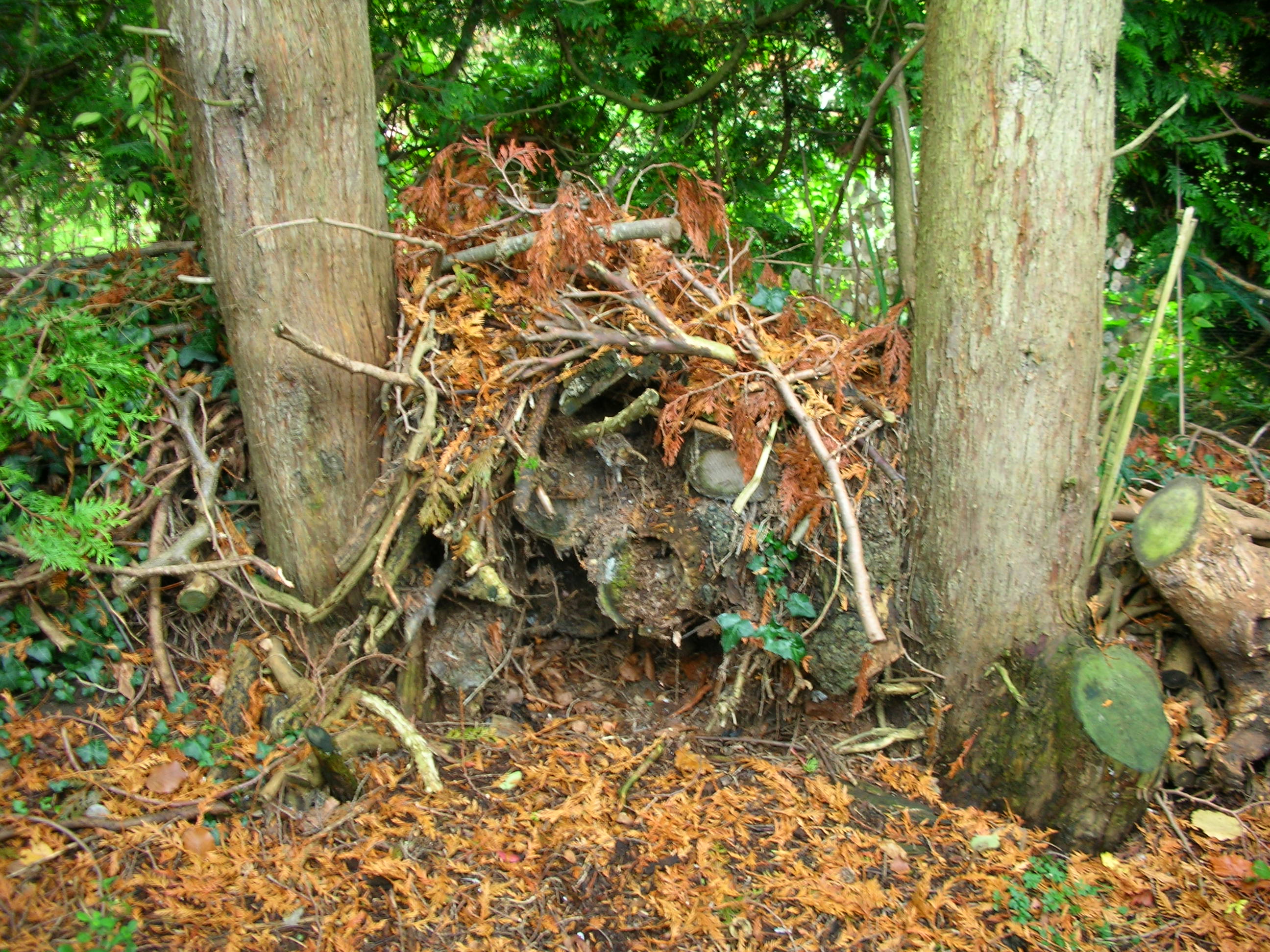
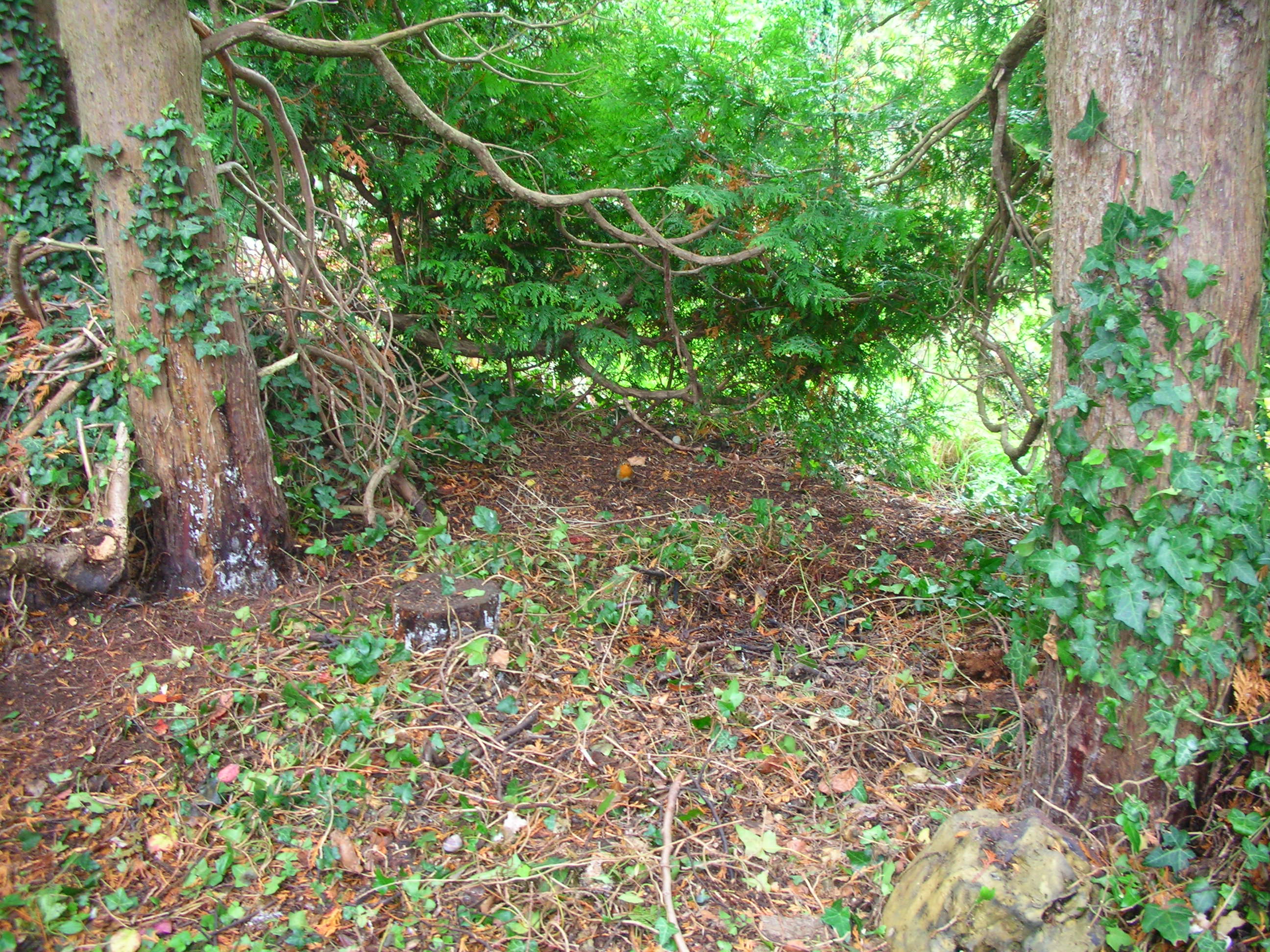
and found the original bags full of… leaf mould! This year my husband pointed out that the area I had neIMG_1297tted off had… turned into leaf mould. I found another log and ivy-infested area between the trees at the back of the garden.
IMG_1282

And,  with the help of a robin or two (he’s in there somewhere) I cleared this, netted it,DSCN8648  IMG_1278and filled it with leaves. All I have to do now is wait for five years…IMG_1299And this is where the hedgehog may be about to hibernate (he is still feeding) DSCN8639 After all those unexciting images here are some November blooms. DSCN8673 DSCN8677 DSCN8684 DSCN8686

Literature and the Truth – the Far East in WWII

In researching my book (Surviving the Death Railway: A POW’s Memoirs and Letters from Home) I have read many accounts of the FAR East in WWII – first, second and often third-hand ones. Truth is an elusive commodity. Diaries contain the most truth, but their vision is necessarily narrow. Survivor accounts have the same problem, plus the interaction of memory and the layers history has added. Helpful sons and daughters can introduce bias, historians are more objective – but they weren’t there. Here are five contrasting publications that I have read recently. Each contains a fragment of the picture, each has a different sort of truth.

DSCN8667First a little slip of a book, POW Sketchbook: a story of survival by Judy and Stuart Dewey (Pie Powder Press). Judy and Stewart tell the story of the artist William Wilder, using his diary entries, his memories and his excellent drawings. You get a true picture of the daily grind: ‘Late dinner at night in dark. Up at 7 am, breakfast in the dark, just rice and sugar… carrying planks and heavy wood over rough rocks. Frightfully hot. … . It is really hell. Little drink, sun the bug-bear… .’ Or brief entries as he lay in hospital, ‘8 deaths in the last 24 hours.’ The following day, ’12 fellows died yesterday.’ He drew to survive, but his work was often taken by his captors or destroyed. 70 drawings survived. To have saved these and his diary was an act of extreme courage.

Screen Shot 2015-11-08 at 18.10.37Next a slim but dramatic account, Out of the Depths
of Hell: A Soldiers’s Story of Life and Death in Japanese Hands 
by John McEwan (Pen & Sword – my publishers). This is a soldier’s account, lively, tough and full of the harrowing and detailed memories of the years spent, in his case, mostly in the grimmest slavery in the copper mines of Taiwan. His feelings about his mates, his captors and his views on life and religion make this extremely, though painfully, readable. The truth here is a personal one told through the long lens of memory.


This next one, The Burma Railway: The Original War Drawings of Japanese POW Jack Chalker (Mercer Books 2007) is one of the most beautifully designed books I have ever handled, I want to weep and admire at the same time.DSCN8664It contains over a 100 full colour illustrations. The calibre and scope of these is astonishing. Every part of the POW experience is there. They are beautiful and painful. He depicts individuals undergoing sadistic punishments and hundreds of men at work, he shows wards of sick men and, when he worked with the famous surgeon Weary Dunlop, precise depictions of ulcers that ate into the bone. Jack tell his story between the drawings.

All the above are personal accounts with one main viewpoint; they do not claim to be literature or even research.  They all contains inaccuracies.

DSCN8669

My fourth is another small volume The Death Railway: A Brief History of The Thailand-Burma Railway by Rod Beattie (Thailand Burma Railway Centre Co., Ltd). This is modern, practical, and factual. Rod is the great researcher of the railway, an Australian who has walked, recorded and uncovered every inch of the tracks. He and Terry Manttan run the Centre at Kanchanaburi in Thailand and know more about the railway and the individuals who built her than anyone else alive. In his book Rod assembles essential facts and corrects many railway myths.


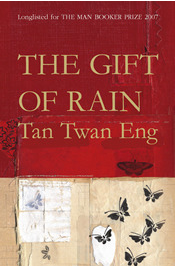
Screen Shot 2015-11-09 at 09.56.38Screen Shot 2015-11-08 at 22.18.43My last book is odd in this context – and I haven’t yet finished it – The Gift of Rain, Tan Twan Eng. It is high quality literature and a work of fiction. Set in Penang fifty years after the war, the story within it runs from 1939 to 1945. It is as multicultural at its setting – British, Chinese, Malay, Japanese and Indian characters cross the stage. Only in this mesmerising, page-turning book have I found a sense of how the war affected individuals of all kinds in that part of the world, and why cultures with opposing philosophies that had lived harmoniously until then, both helped and brutalised each other. You get a glimpse of why civilisation cracked up and again later was able to rebuild.

My Far East POW book is now in the publisher’s hands and I am haunted by all the books I have not yet read, the archives and museums I have not visited and all the threads I have failed to follow up. What troubles me is how little of the truth can be found in any one account. Maybe fiction can weave a truer tale.

A final goodbye, the new front line

I’ve been away from my blog for a few days saying a final goodbye to my 102-year-old uncle. He was indomitable, subversively funny, and energetic beyond imagining – for instance he celebrated his eightieth birthday by climbing eight Munros (Scottish mountains over 3000 feet). He was the last living close family member of my parent’s generation, and with his death we are now the front line. So be it.

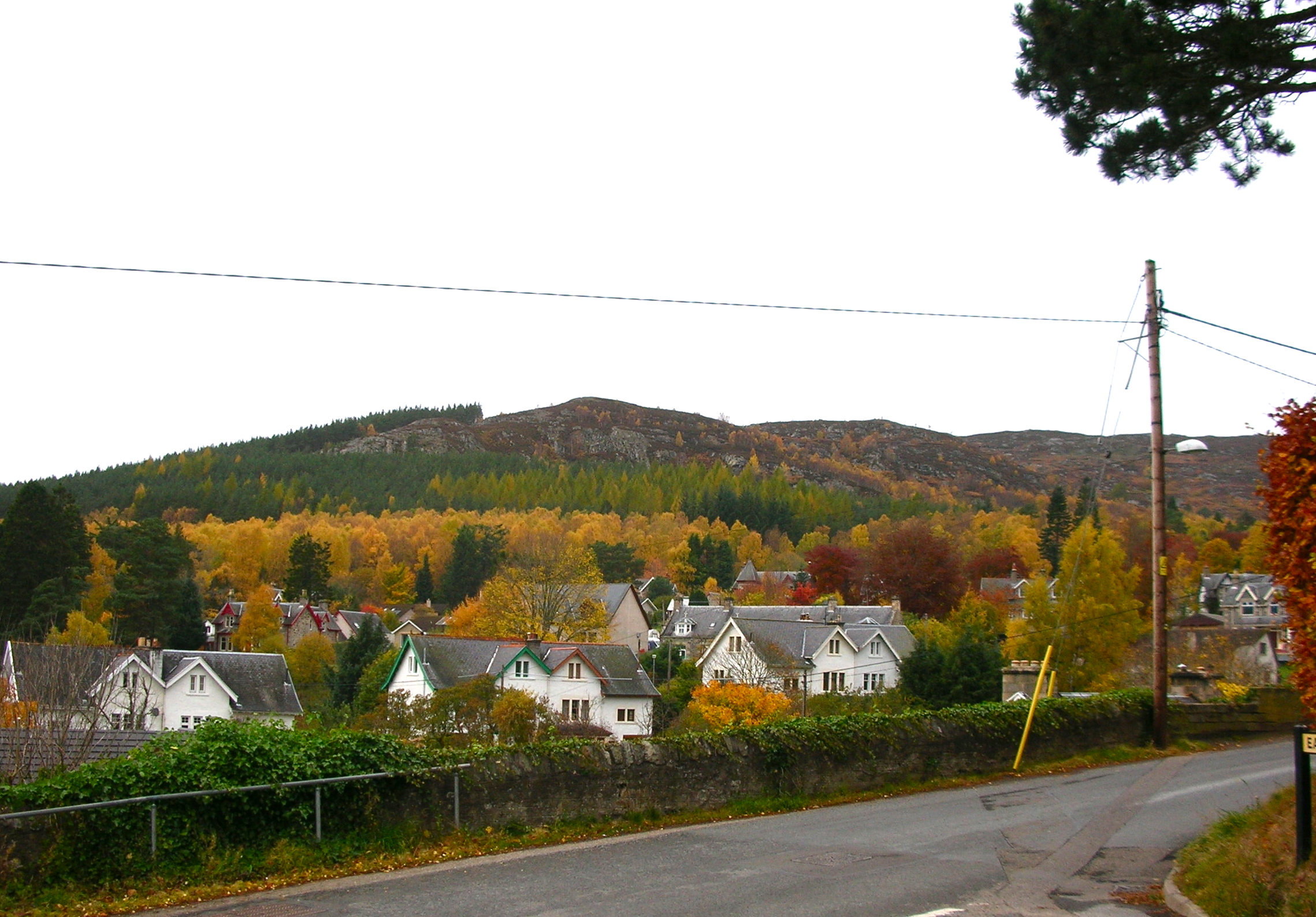
We travelled up to the Highlands of Scotland, through a beautiful autumnal England and said goodbye in brilliant sunshine. I meant to take photos, but was too involved talking to the family. As we left yesterday it rained and I took one photo. This road leads up a steep hill to the house that he and my aunt built in the 1970s, and where we spent many happy holidays walking in the CairngormsDSCN8583

Here, instead, are some images of autumn from further south. DSCN8536 DSCN8538DSCN8550DSCN8570DSCN8578DSCN8607DSCN8604


Our beautiful brains

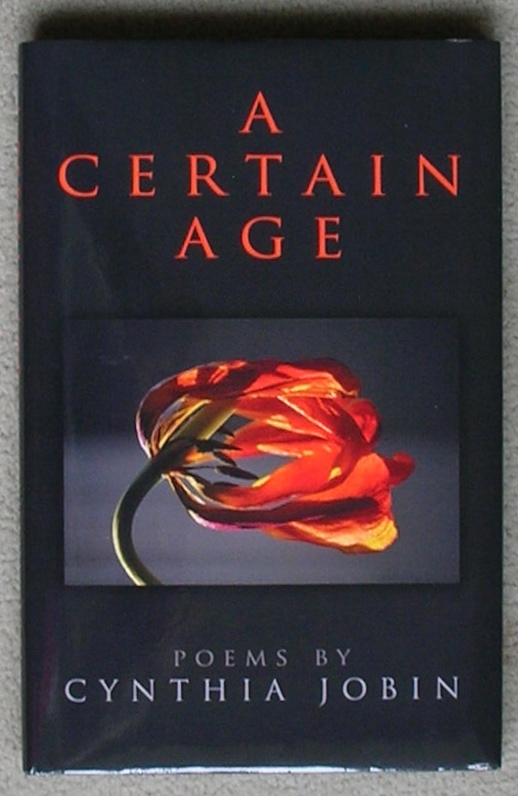
When I arrived on holiday in Chicago this summer my daughter handed over the three copies of the book I had ordered from the poet Cynthia Jobin. I find it difficult to describe the pleasure with which I sank, jet-lagged, into bed that night and opened A Certain Age. I am not an orderly poetry reader, I started with the last poem Acknowledgement*, which made me laugh out loud, it is so perfectly judged a final comment – but I can’t give away the joke.DSCN8527

This poetry is both accessible and yet also of the highest intellectual standard. Cynthia knows about, and plays with, poetic forms, metre, rhythm, rhyme etc. She handles language with delicacy and certainty, yet all the machinery is hidden, we can sit back, read and listen. I do mean listen. The cream of this publication is the enclosed CD of Cynthia reading her poetry. If you doubt for a moment that you would enjoy this, just try it here, for something short and funny, or this for an observation that hits the spot. One that moves me to tears does not have a recording, so you must read it here, Without You the CatI could go on. She writes with humour, insight and tenderness about the humans and animals in her life, and with heart-aching clarity about grief.

There is no way, in this brief overview that I can do justice to contents of  A Certain Age. Go see, read, listen for yourselves.

The book itself is a treat to look at and handle; the cover, utterly appropriate, is of a tulip past its prime and yet fascinatingly beautiful [little diversion: years ago I saw a photo of an 80-year-old woman throwing a javelin and it reminded me of an ancient Greek sculpture].

You might think that there would be no connection between this poetry and my other deeply satisfying read – Daniel Levitin’s The Organized Mind. Daniel is a neuro-psychologist and his book is about how to harness the beautiful complexity of the brain, by understanding a little better how it works. Of course some of it is testing reading, but once again, most of it is extremely accessible. What I read has already improved my life.

DSCN8530

Two examples, one: Daniel interviews a very senior CEO about the problem of intractable decisions that land on his desk when his managers are effectively stuck. His job, he explains, is not to make the decision, because they, not he (or she), are the experts. He helps them to look at the problem in a different light, ‘I tell them to back up and find out one truth that they know is indisputable’. This can take a lot of steps, and this truth, once arrived at can be very simple, for instance: “no matter what, we cannot serve food that is not 100% fresh”. The managers then creep forward step by step from that point and a solution will often emerge.

the other: ‘Eat the frog’ – an expression new to me, meaning, if it’s bugging you, do it. I carry around, for days (sometimes for months), tasks that I am reluctant to undertake e.g. ringing the tech help of our Broadband provider. Clear one or more of these first thing in the morning, and boy is the rest of the day beautiful. Intellectually, I already knew this, but now I have a little internal instructor that detects my reluctance and says Eat the frog!

I am forever fascinated by the complexity, scope and skill of the organ we use to run our lives. Both these publications stimulate the sweet spots of curiosity, emotion and beauty in my brain. I hope they do the same for some of you.

*You can find Cynthia’s joke here Acknowledgement 

The unexpected haunting of the River Kwai

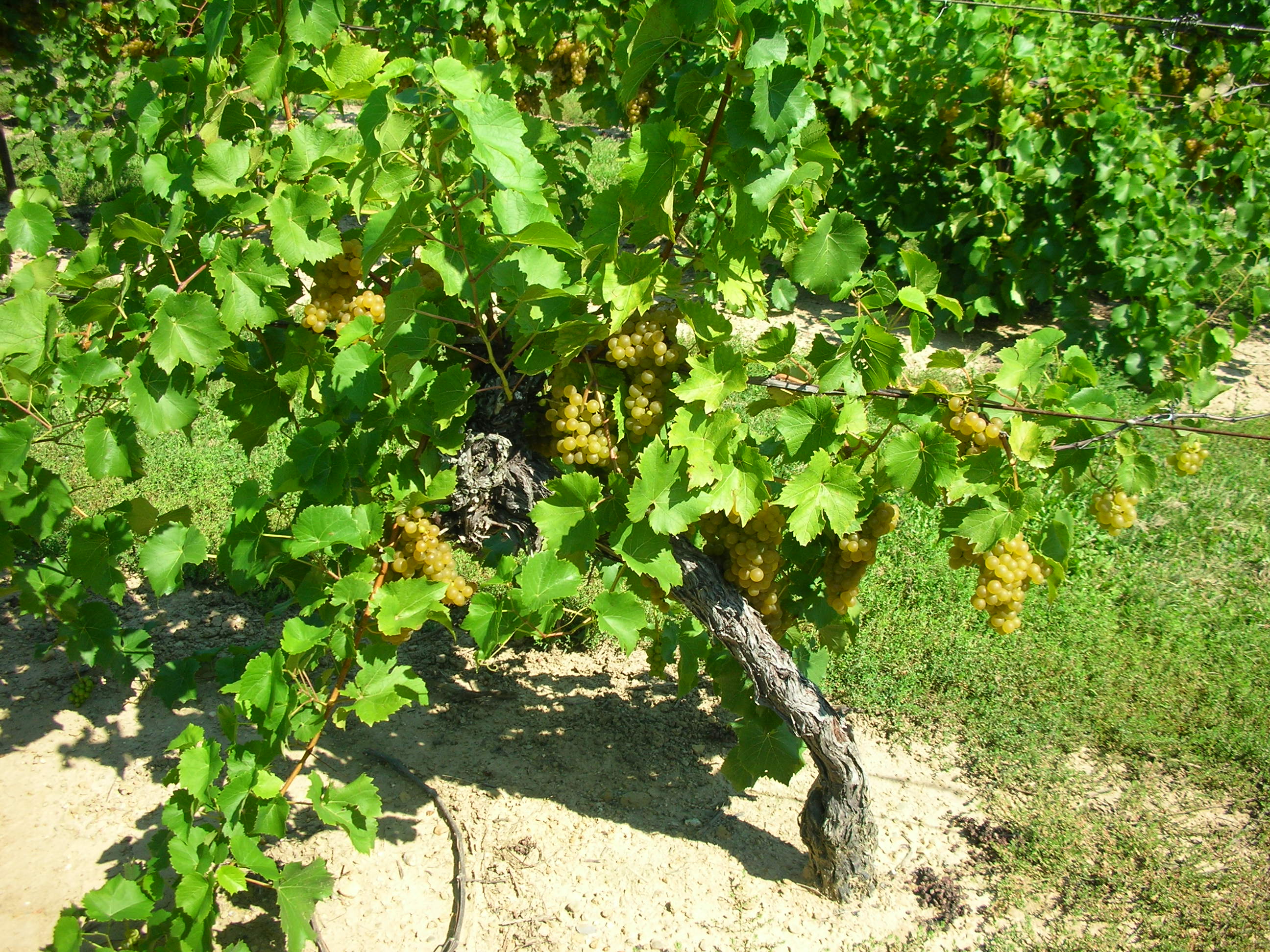
Last month we had a wonderful holiday with family on the eastern shores of Lake Michigan, with sunsets, wine-tasting and much good American food. IMG_1173 DSCN8355 DSCN8360Tabor Hill Winery

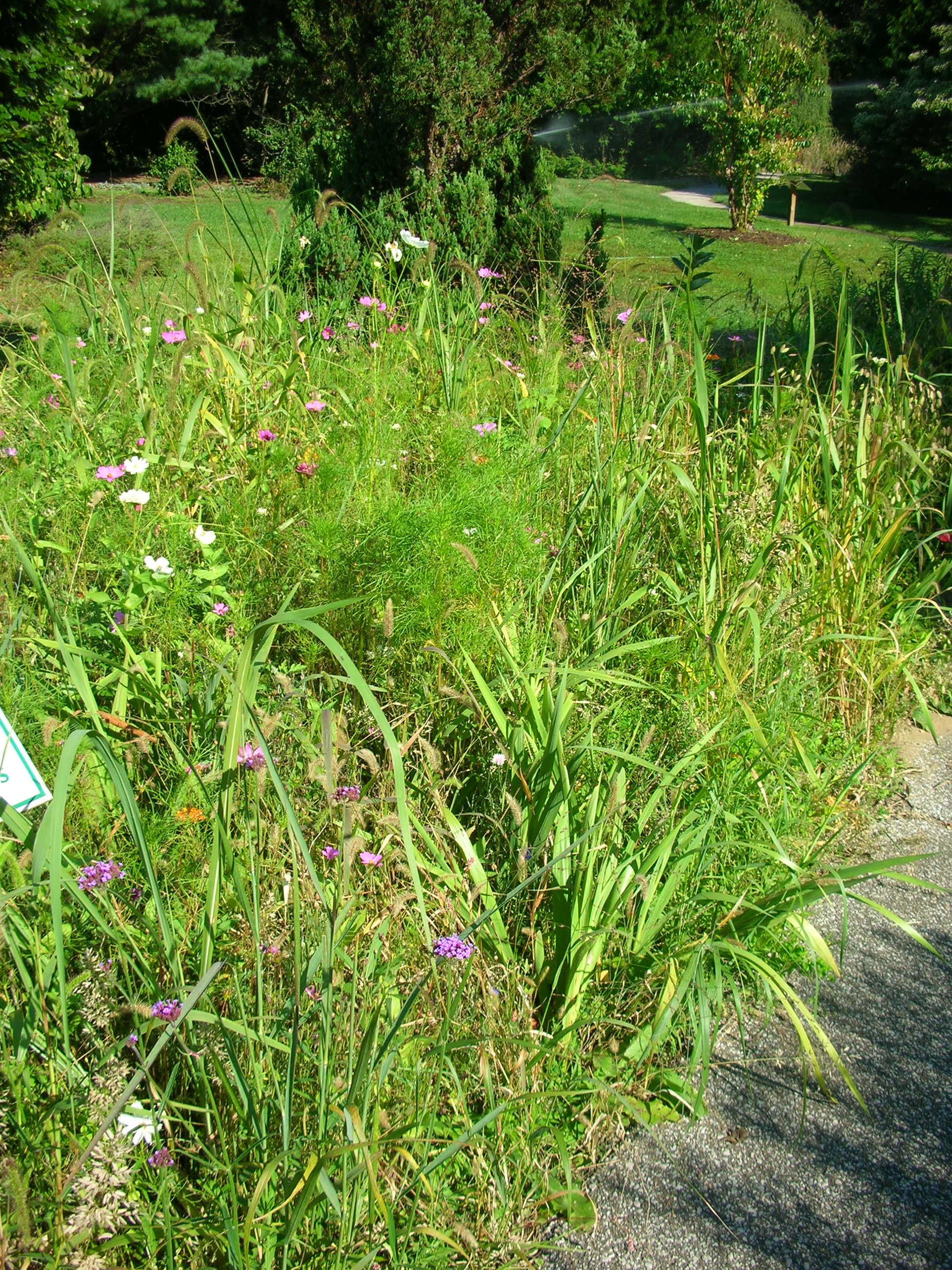
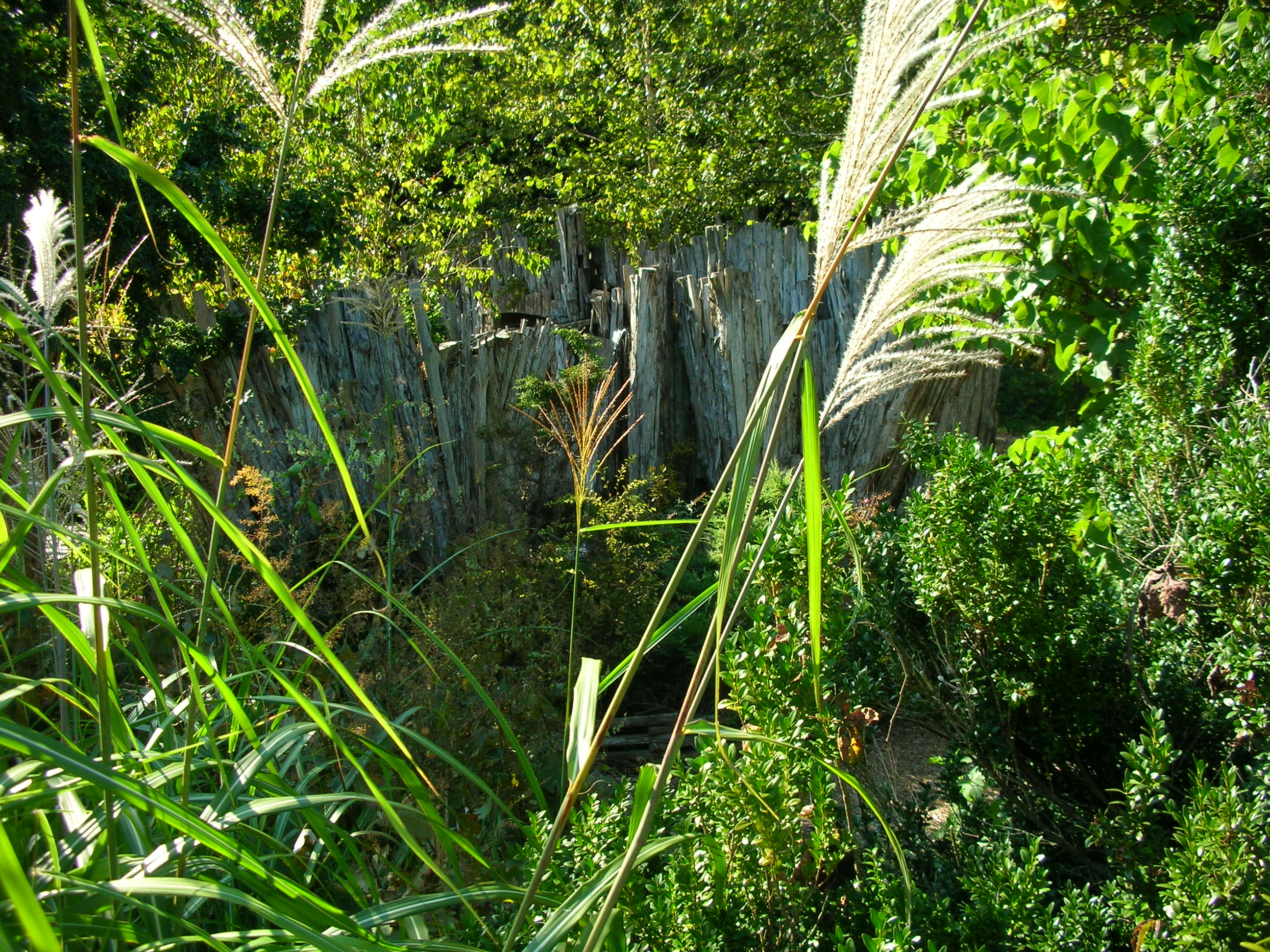
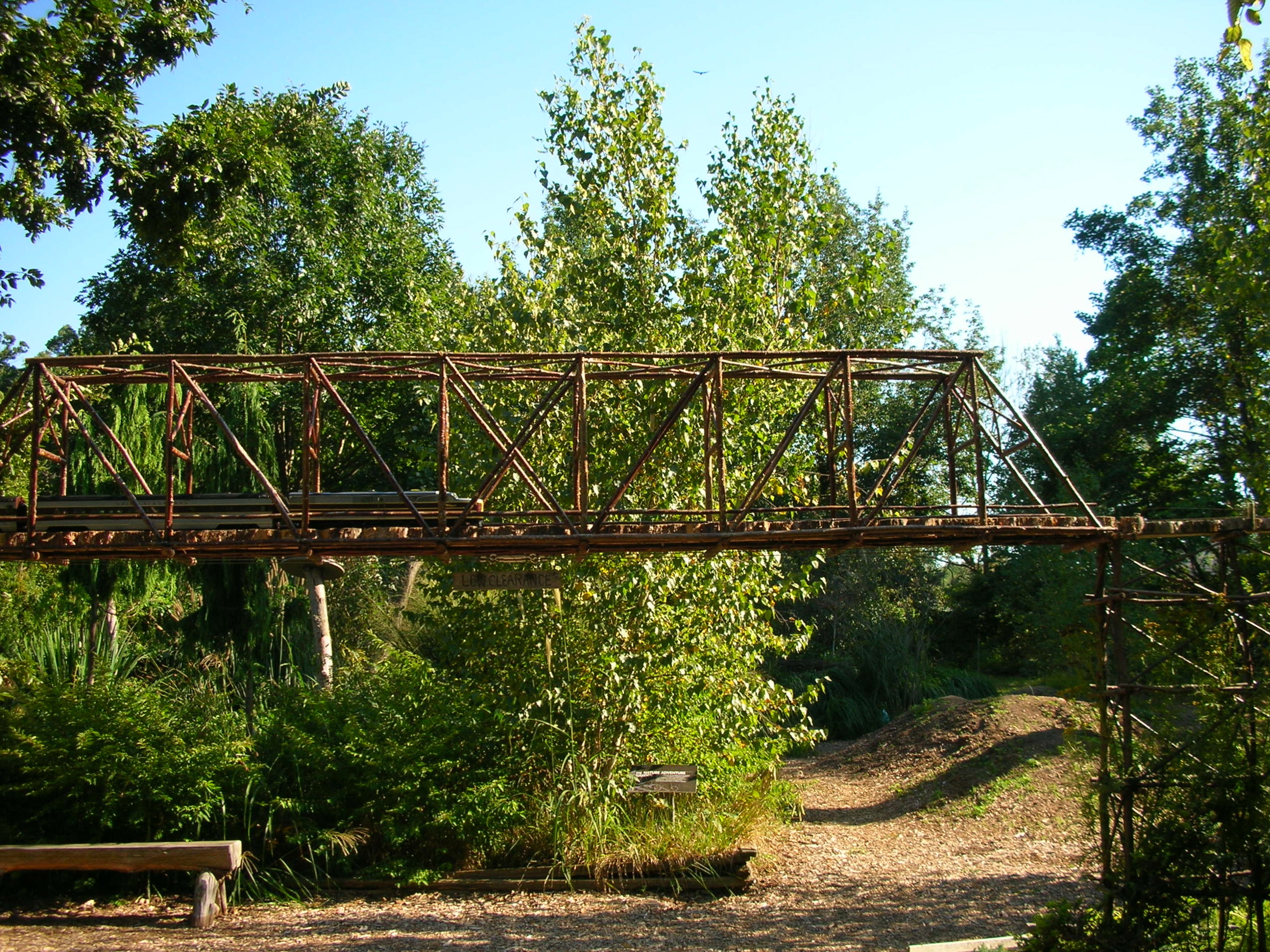
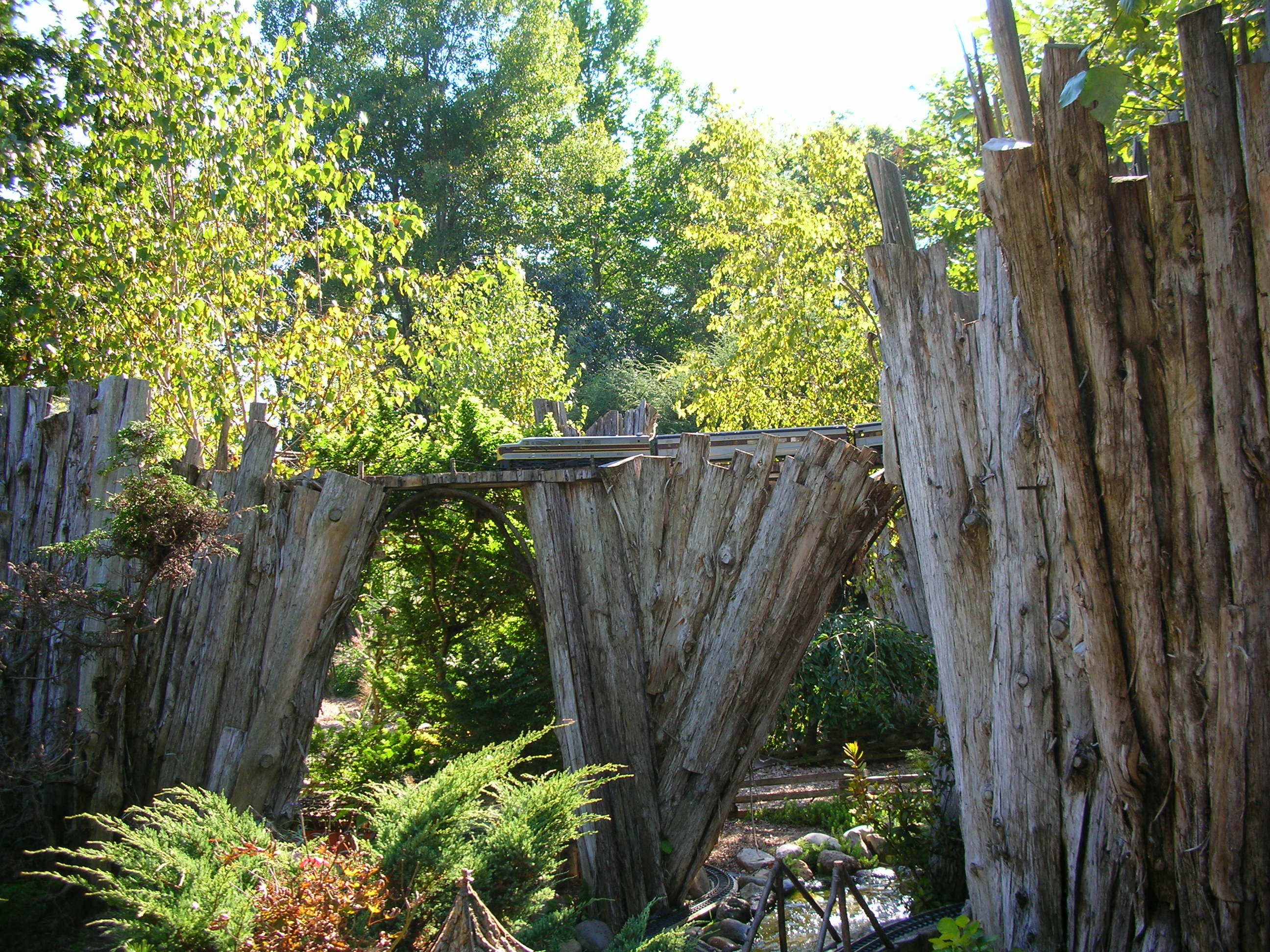
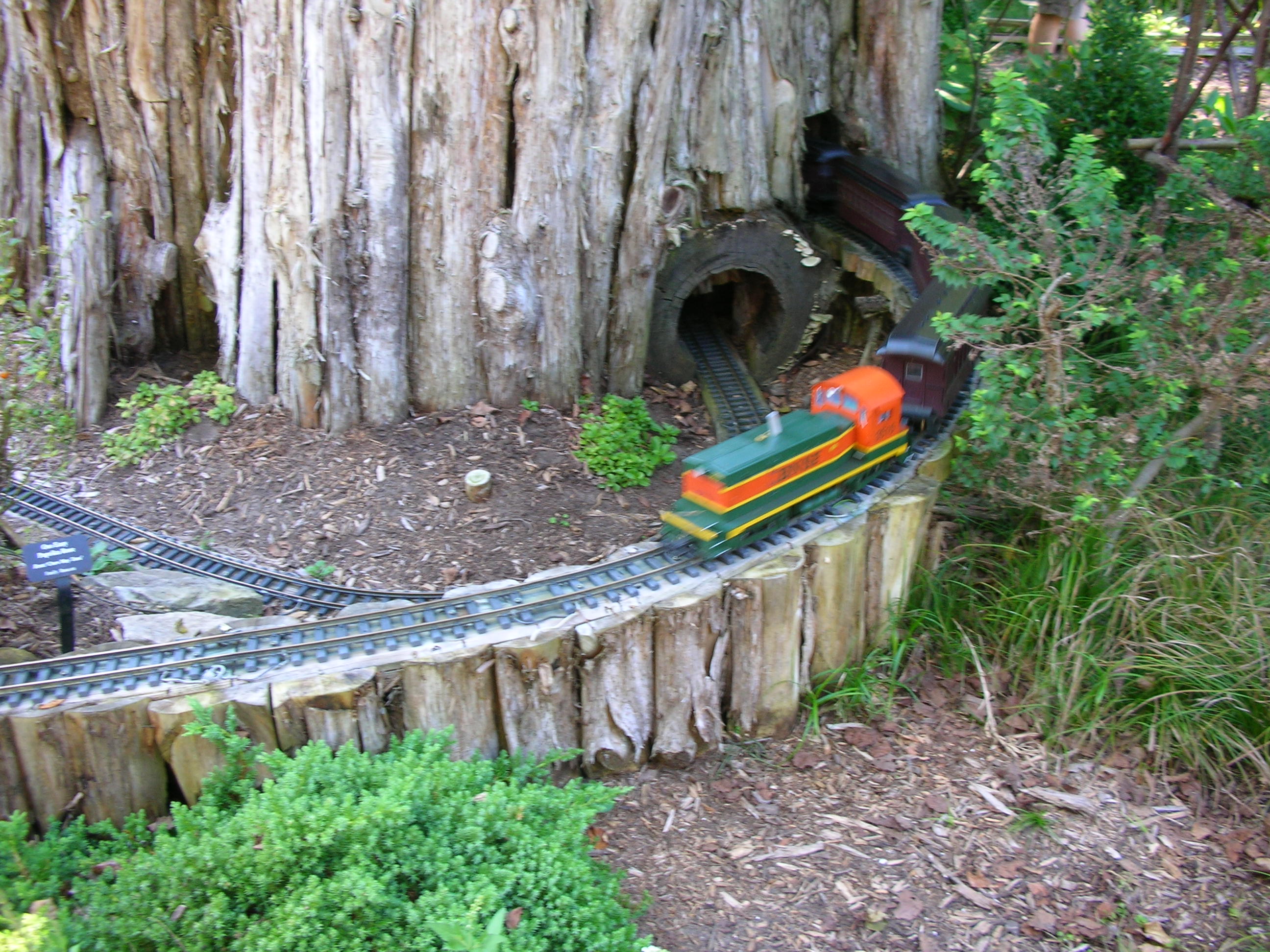
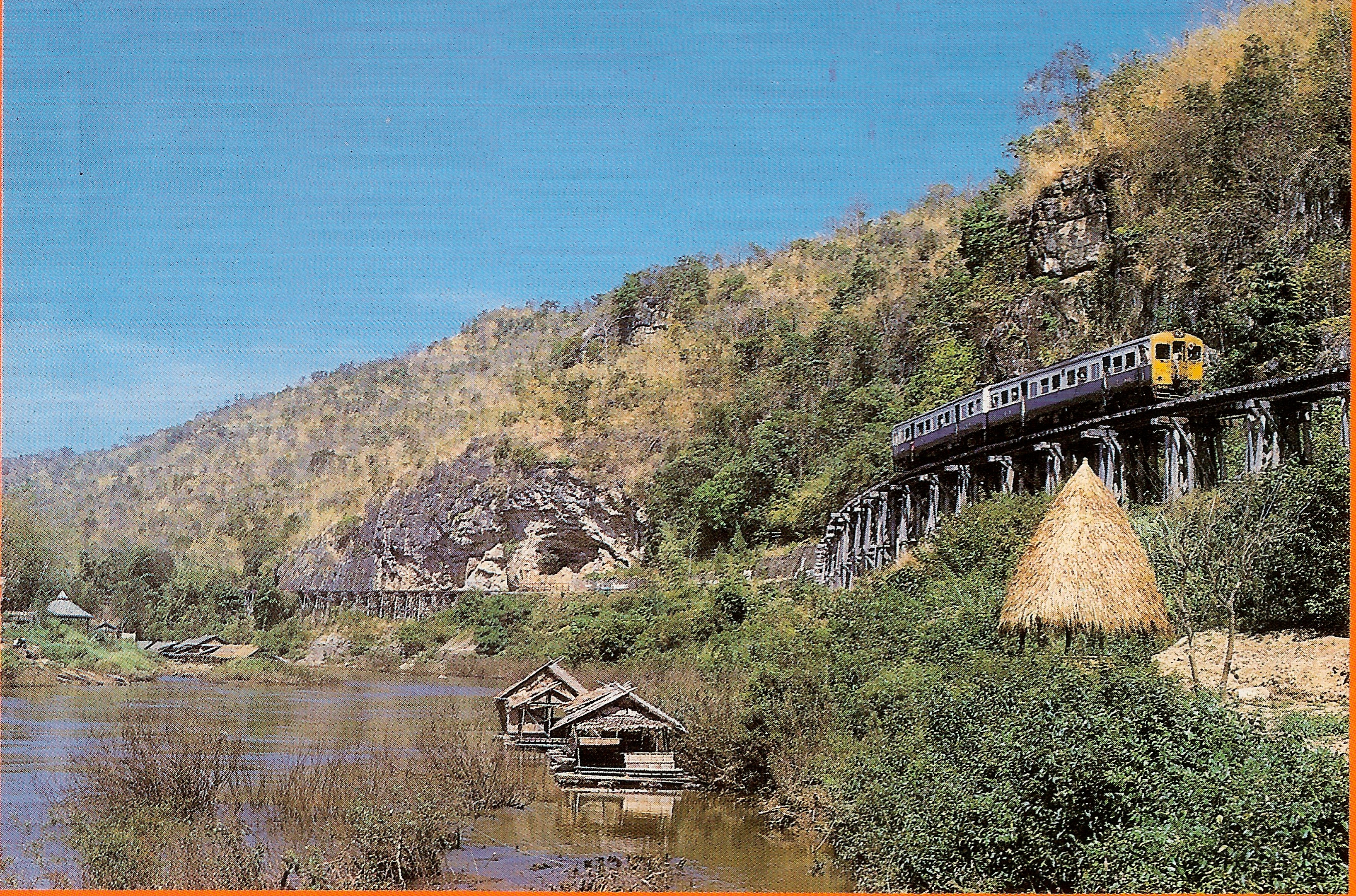
On one of our expeditions we visited the Fernwood Botanical Garden. There were woodland walks, prairie meadows and formal areas, DSCN8366 DSCN8378DSCN8368but one particular display grabbed our interest for a long time. We became kids again.  DSCN8377A walk-in area of wooden structures and natural landscape with trains running in and out DSCN8371 and suddenly reappearing where you least expected them. It was wonderfully complex,DSCN8372 engaging and utterly charming. There was so much to see, we didn’t know which way to look. DSCN8374 DSCN8375  DSCN8382We watched these trains dipping in and out of the foliage, creeping round the sheer edge of a wooden cliff, or traversing great gaps balanced on twig like structures. Yet all the while I felt a sense of haunting, a constant tug by the images of another railway.  This is the Wampo (Wang Pho) viaduct,Wampo pc4 and this Fernwood.DSCN8383 and this shows the bamboo scaffolding for the Bridge on the Mae Klaung (now renamed Kwai)and Far East prisoners of war and conscripted labourers at work on the Thailand-Burma railway in 1942/1943.Screen Shot 2015-10-15 at 15.56.10                         This is Fernwood again.DSCN8370 - Version 2

Some of us cannot forget.

The waiting season

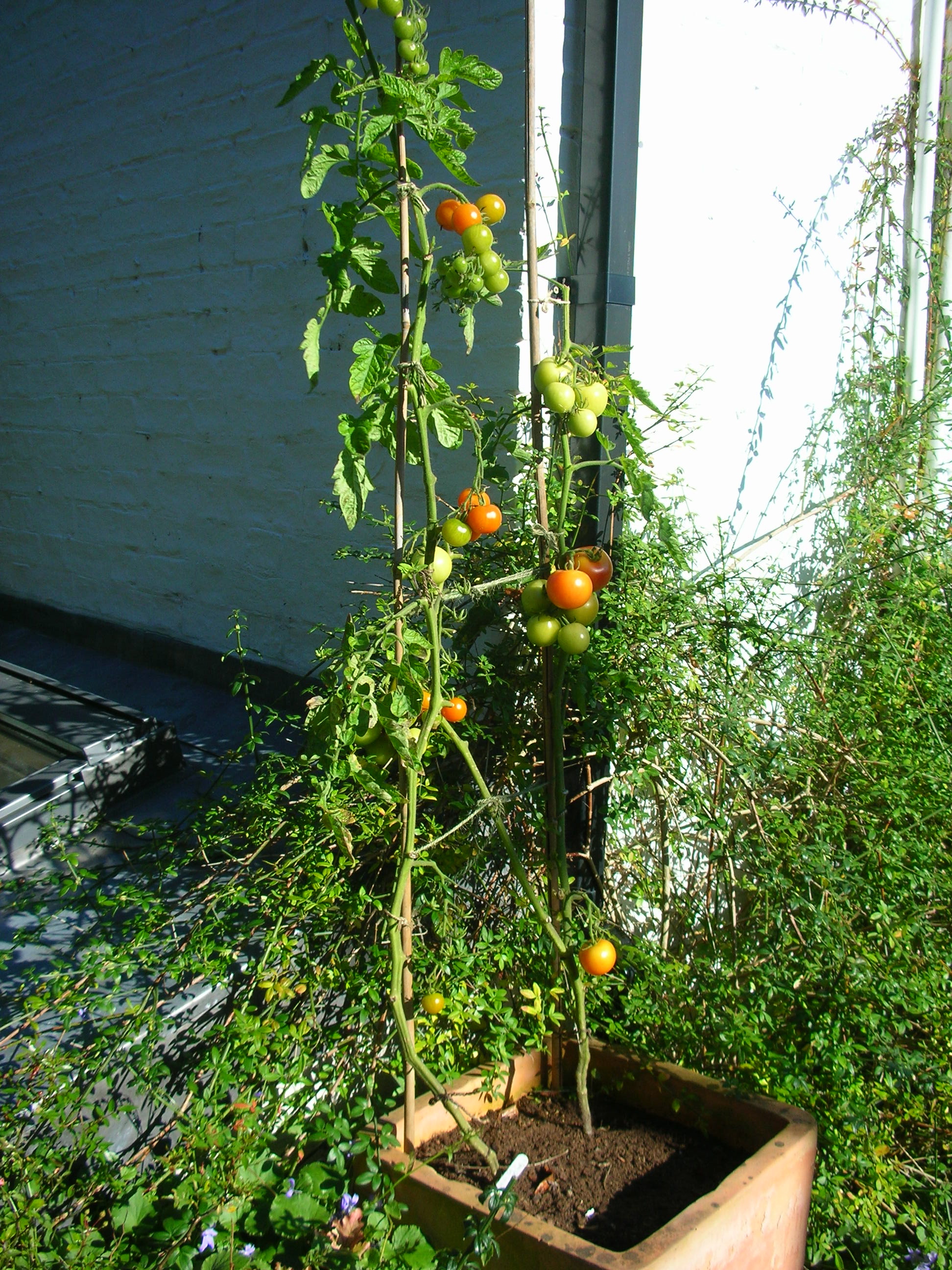
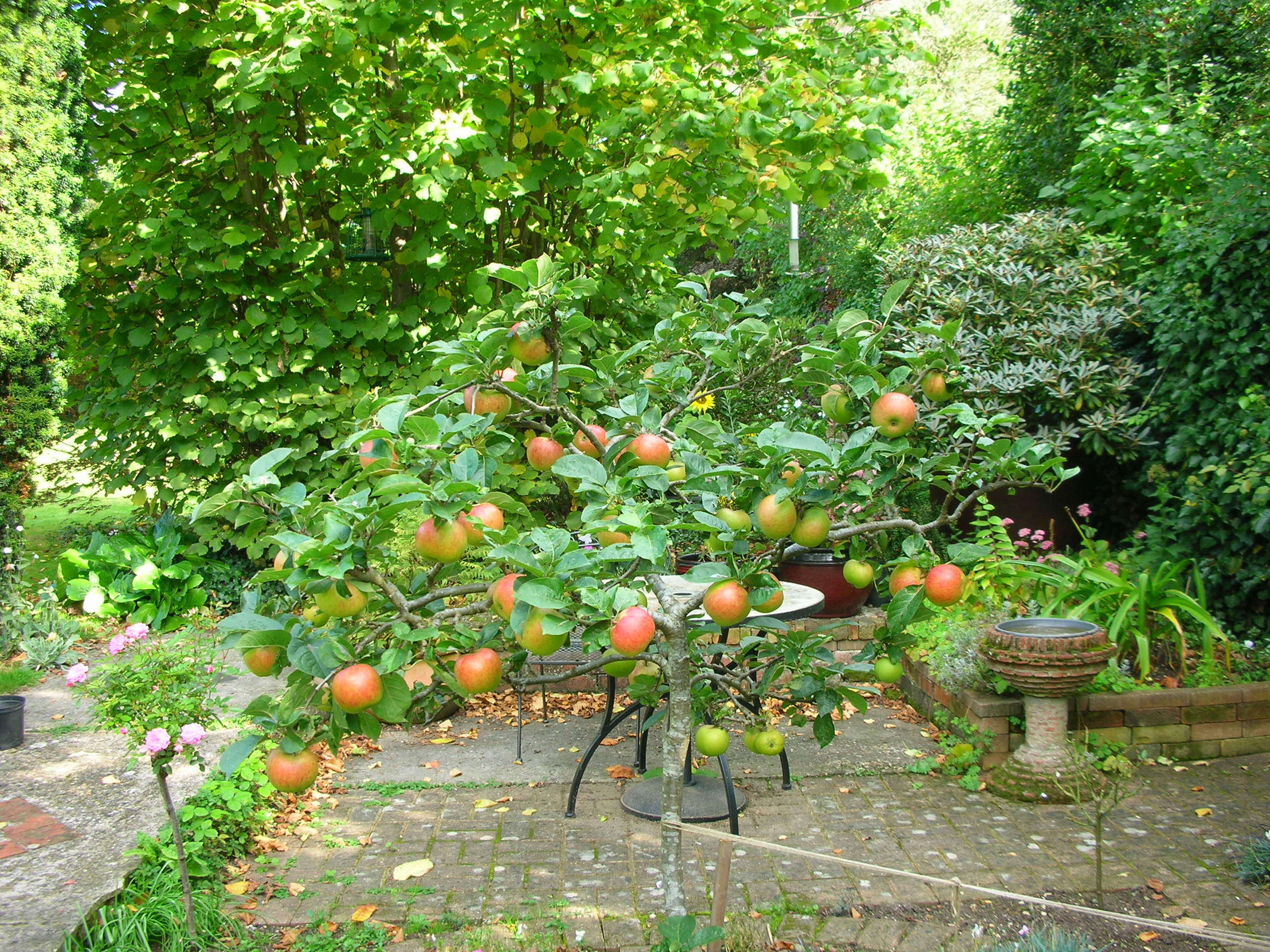
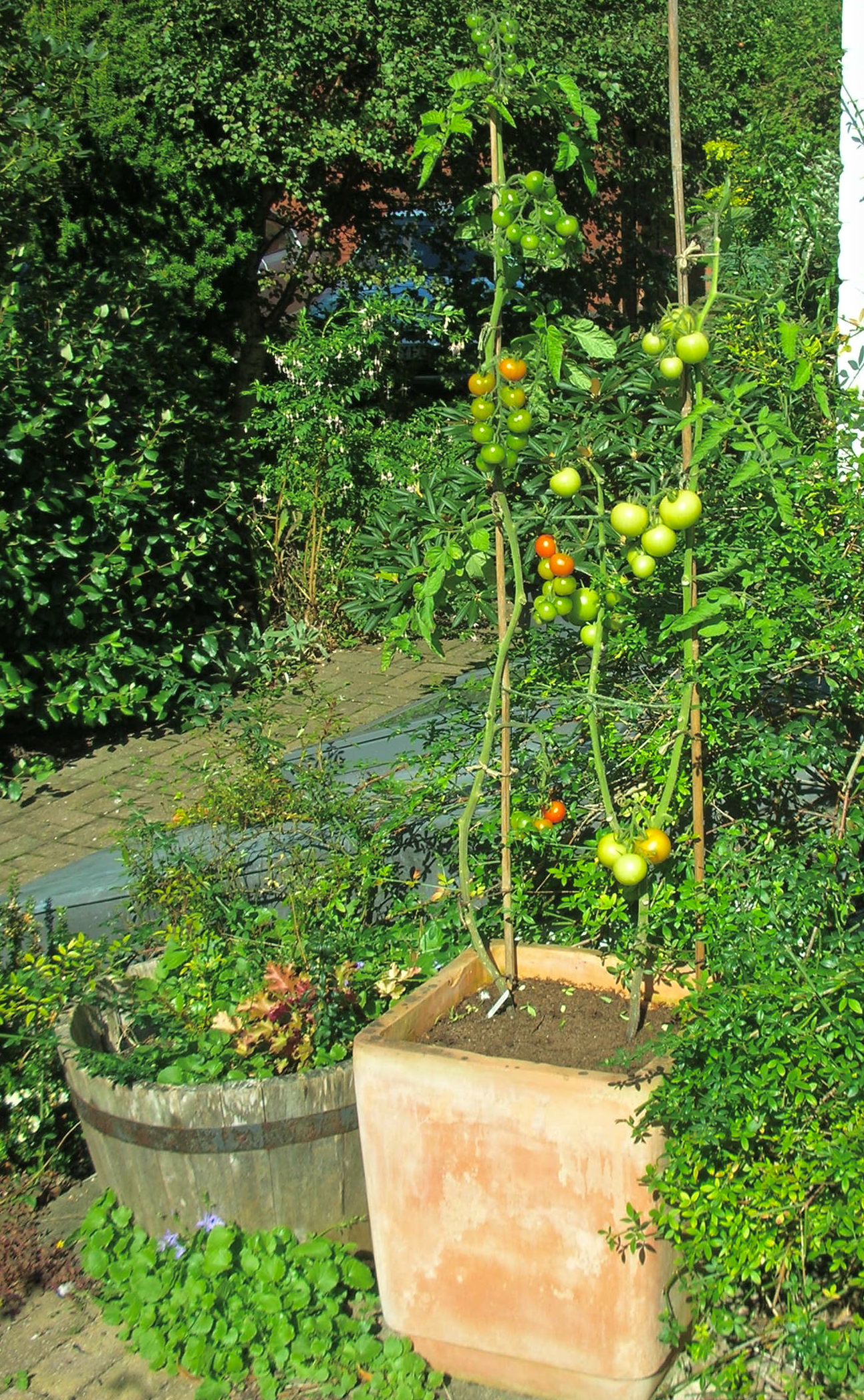
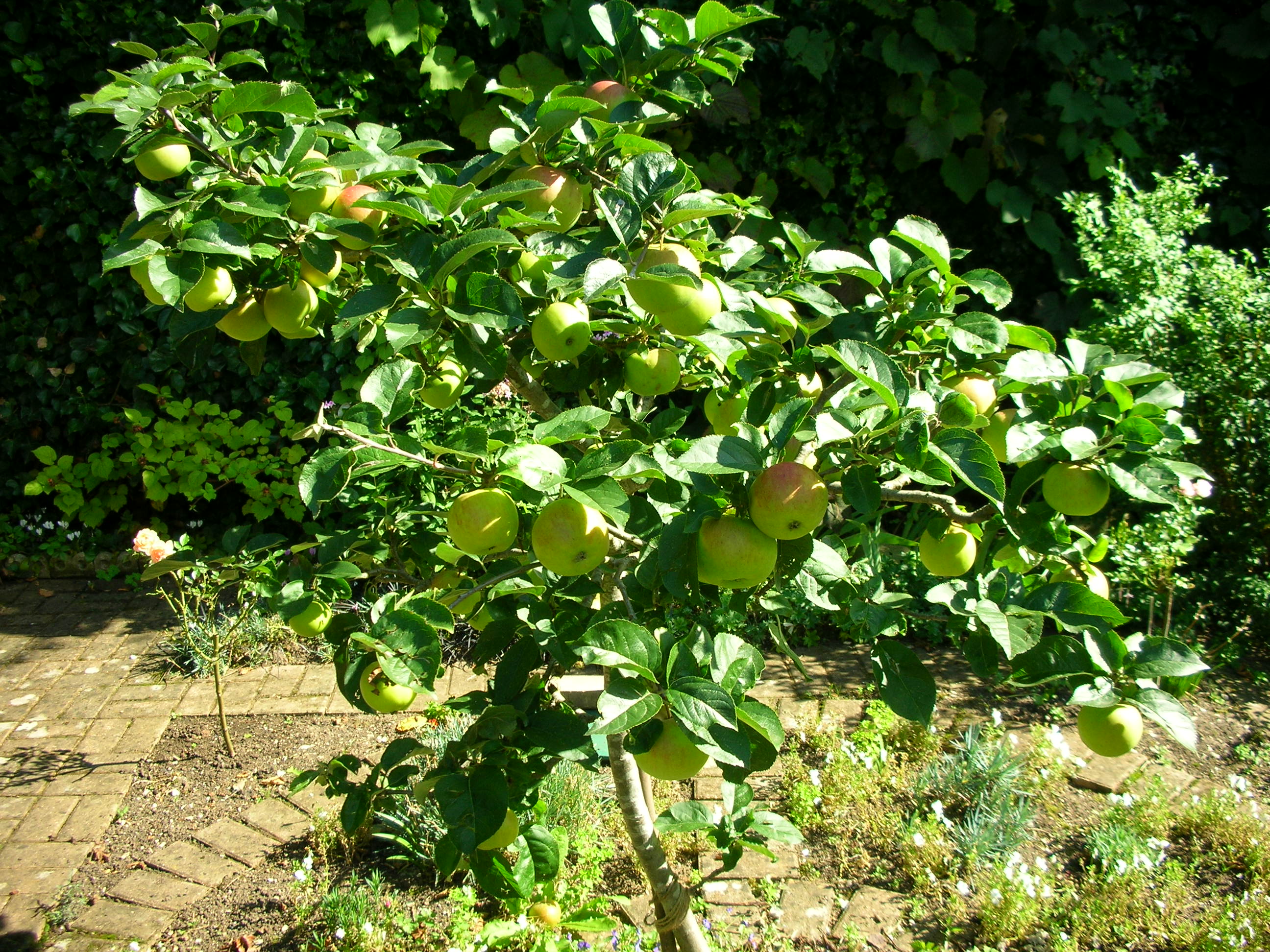
I find myself prowling the garden, waiting for the dramas of autumn. Some of them are underway already. DSCN8467 Though summer has not yet retired and tomatoes and apples (Blenheim Orange) are still ripening, DSCN8471 DSCN8466This rhododendron (Morgenrot) thinks it is spring. DSCN8473

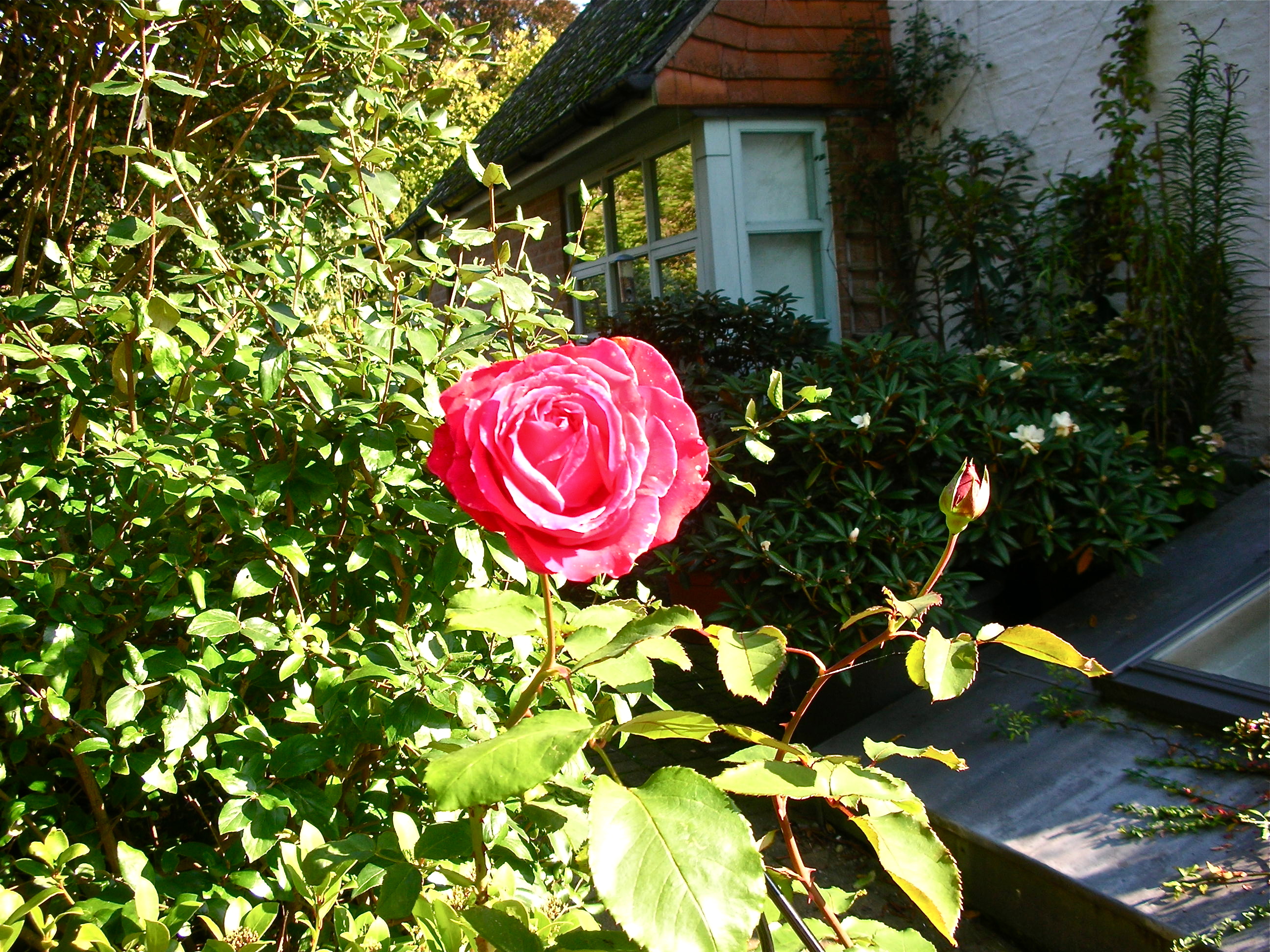
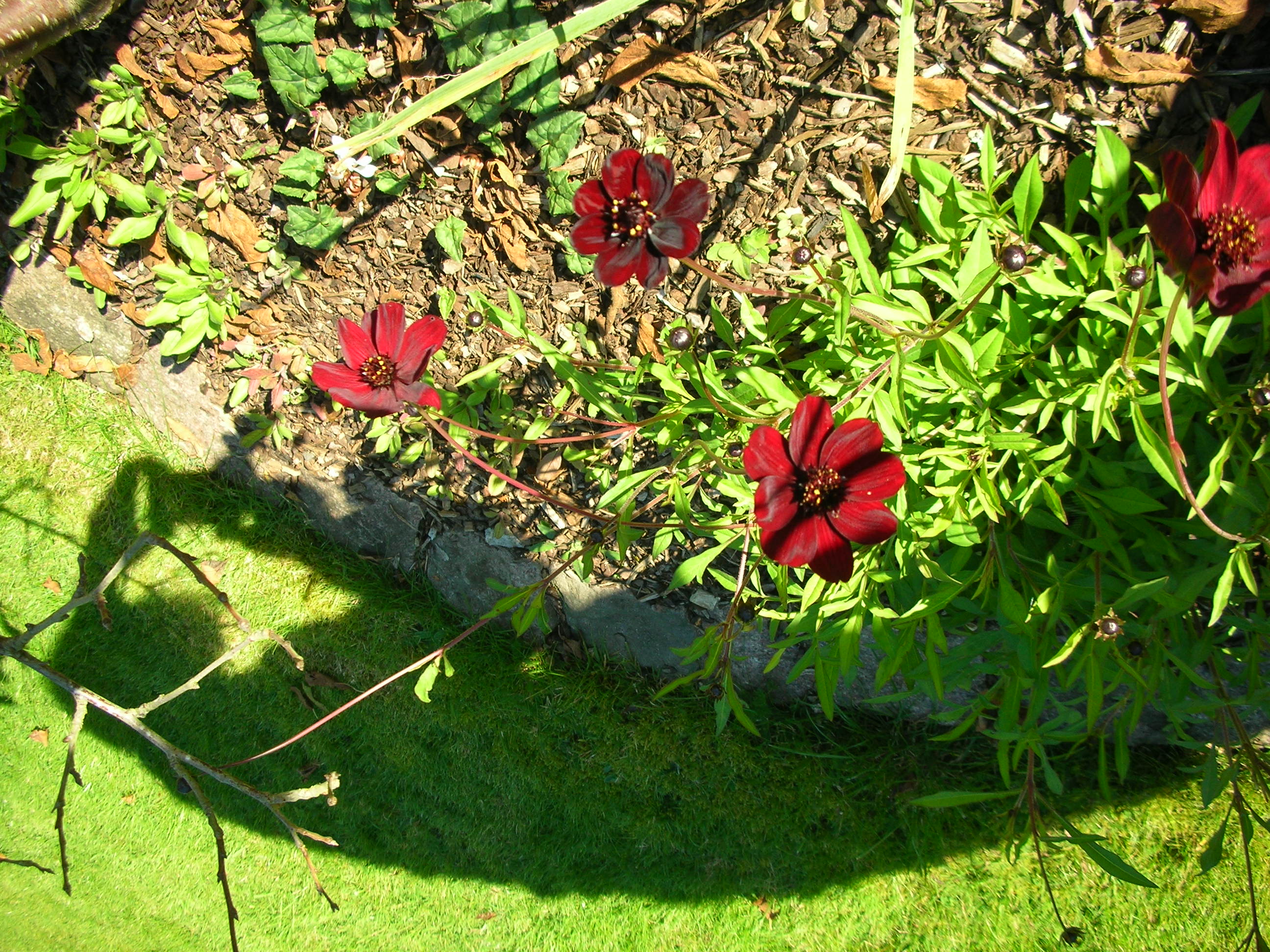
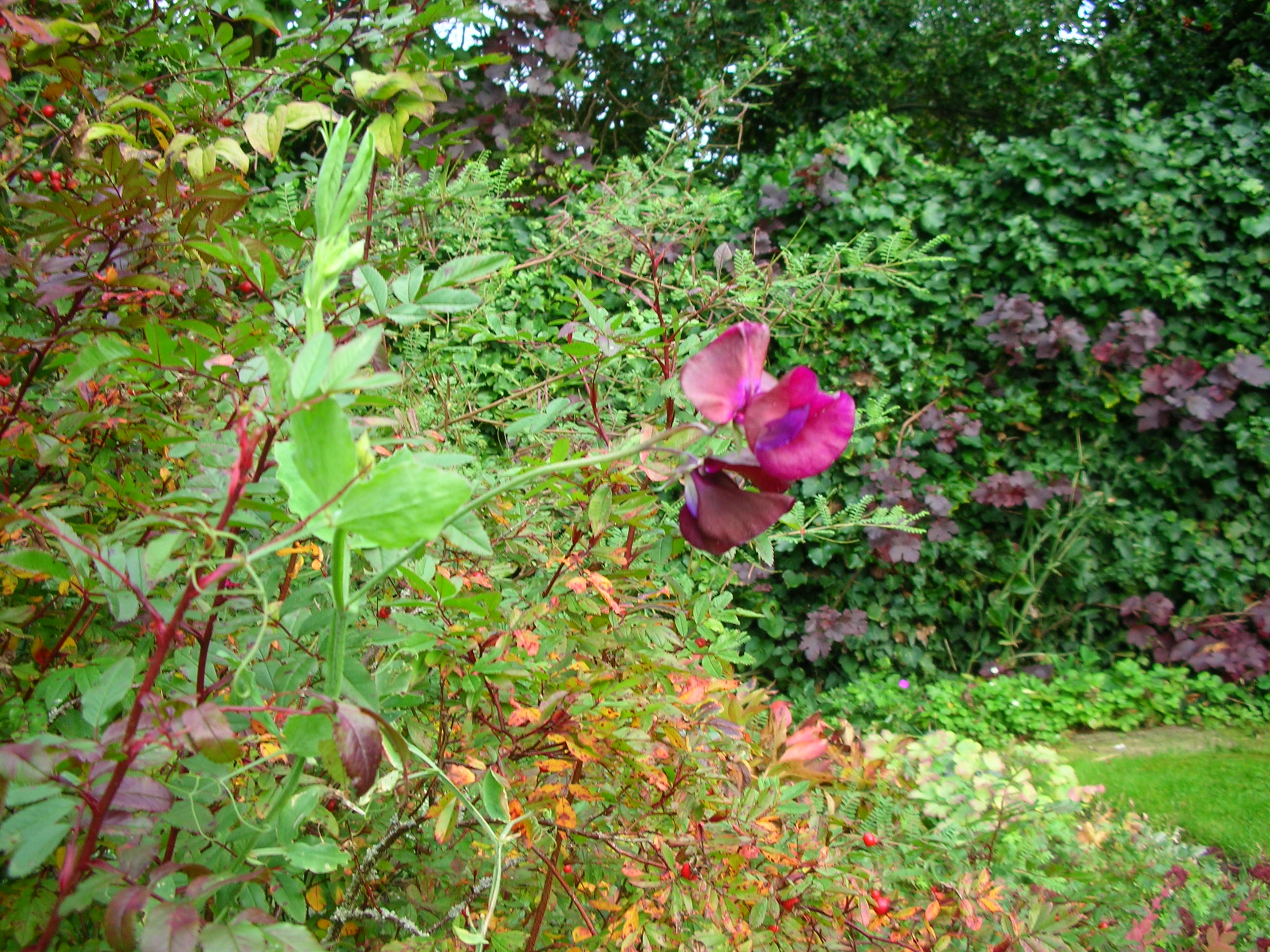
No idea what this frog is thinking. We have no pond, but I bump into frogs a few times every year (he is a frog; he is smooth-skinned and he jumps). DSCN8463There are roses (Alec’s Red – knockout scent and cosmos (Chocamocha) in flower and even the odd sweet pea.DSCN8502DSCN8481 DSCN8496 What I am really waiting for is the maples to change colour. I am impatient to know which of my new seedlings has the best autumn glow. This impatience is foolish, I must not wish the summer away and the marigolds (Calendula) in the veg plot are still covered in blooms a joy to behold.DSCN8458And there is plenty of drama (Pampas Grass) in the botanical gardens. IMG_1260

Memoir month

In the last month I seem to have majored in non-fiction reading. Several were POW research memoirs and I’ll save them for another post. The others were personal – and every one a winner!

A Good Home by Cynthia Reyes

Screen Shot 2015-09-26 at 20.29.37

I read this a few weeks ago and the warmth, stylish writing and entertainment are with me still. Cynthia’s story travels from the wild and carefree days of her first family home in Jamaica to the sobering struggles with physical trauma in her most recent home in Canada. This is a book that seems to hold a family truth on every page. I kept muttering, yes, yes, as I read. It also contains some of the most moving and recognisable accounts of both happiness and grief that I have ever come across. I will re-read this for its wisdom and charm.

I Know Why the Caged Bird Sings by Maya Angelou

Screen Shot 2015-09-26 at 20.30.18

I have meant to read this anytime in the last twenty years and recently spotted it in a friend’s house. She said, take it, it’s a quick read. She was right. I found myself reading this like eating chocolate. This is family life from the inside of a culture that I have only ever seen through a distant lens. While there is much uncomfortable subject matter, it was utterly absorbing and a revelation to me. I understand her reputation and will read her later works.

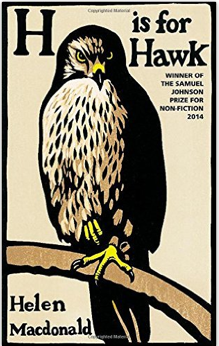
H is for Hawk by Helen Macdonald

Screen Shot 2015-09-26 at 20.31.17

Honest to a fault and giving a strong sense that the author has written without any restrictions, this is a strange, unique and mesmerising tale. The story encompasses the hawking experiences of T.H. White (of King Arthur fame), Helen’s own hawking life and above all her crippling experience of grief over her father’s death. A complex and highly fulfilling read.

I Belong to No One by Gwen Wilson

Screen Shot 2015-09-26 at 20.36.38

This is the raw account of a girl who, at birth, fell foul of cultural norms in Australia in the 1960s and 70s. She paid the price for it at every turn of life from infancy to motherhood – a life that includes illegitimacy, an unstable mother, violence and forced adoption. It is a vivid and extremely readable personal account of a period of Australian history which sounds like the past, yet the effects of which still linger today. Gwen Wilson’s writing is full of detail, conversations and descriptions that lift it way above the individual memoir.

Temporary absence

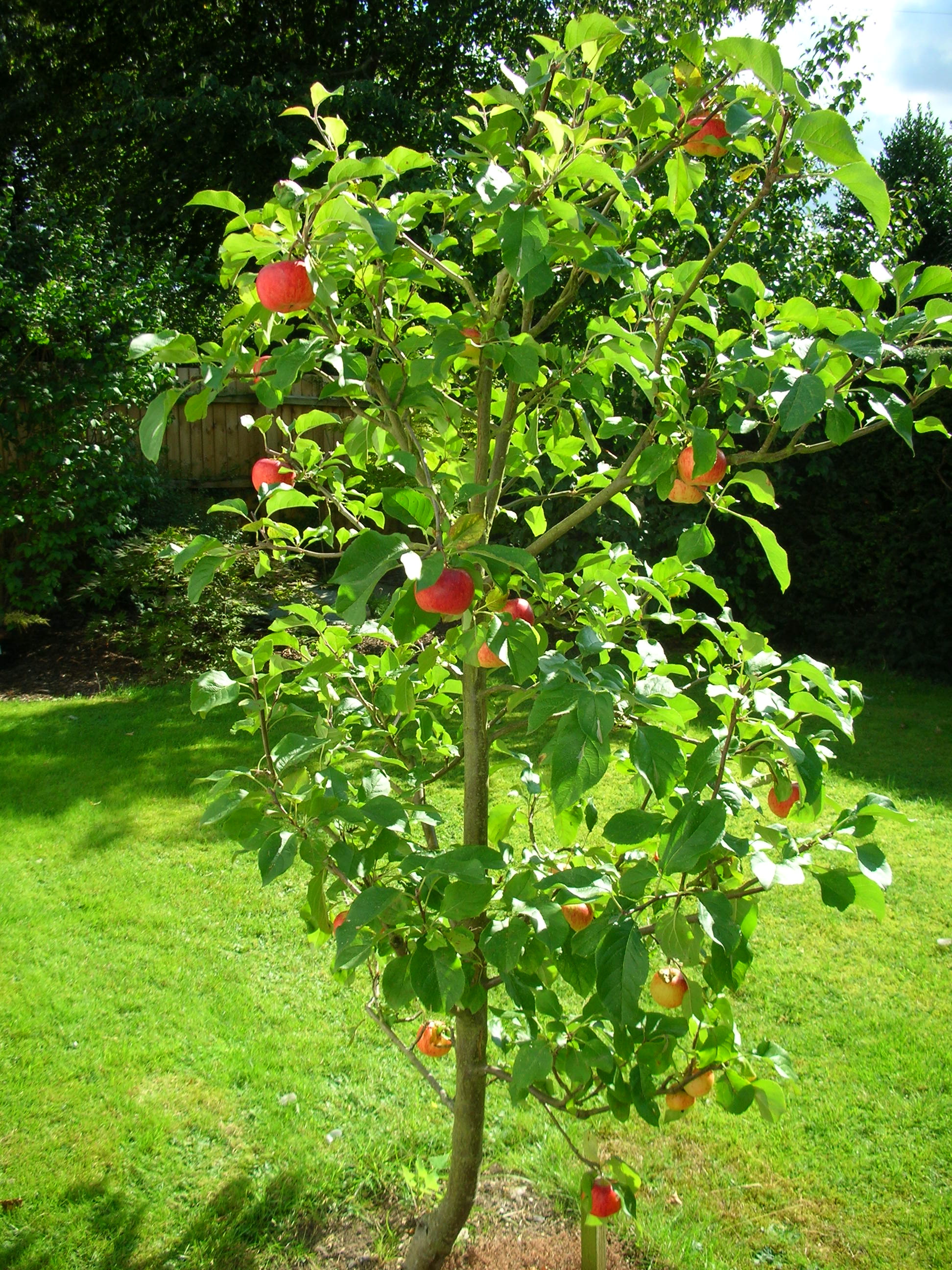
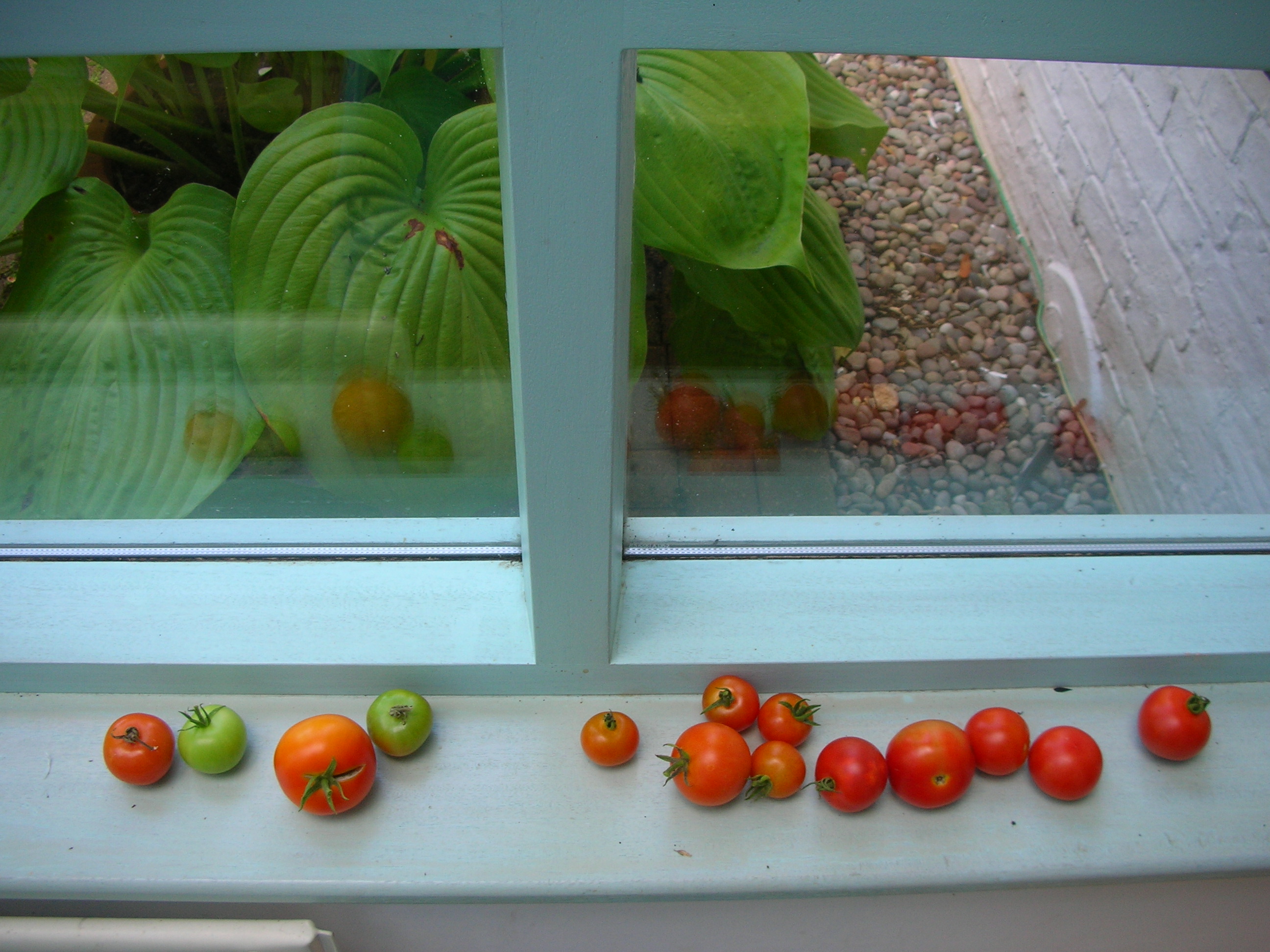
I’m going away… for ten days. I am sorry for all your posts I will miss, but my only hope of sanity is to leap into the future when I return. By this time I hope some more tomatoes will be ripening and that neighbours will have picked the ones that are already ripe. DSCN8240 - Version 2 DSCN8239  DSCN8281 - Version 2 DSCN8237

I look forward to eating our unnamed delicious apples (the tree came labelled Victoria plum).DSCN8280and in late in October our Blenheim Orange.DSCN8287 But sadly, we will not be eating tasty leeks next spring, because the dastardly leek moth hath got them – useful information here: http://www.getseedy.co.uk/2011/09/whos-been-eating-my-leeks/

Another end-of-season reward is the cyclamen that are popping up all round the garden.DSCN8272 DSCN8292 - Version 2

DSCN8291

See you late September.


The hedgehog gets it

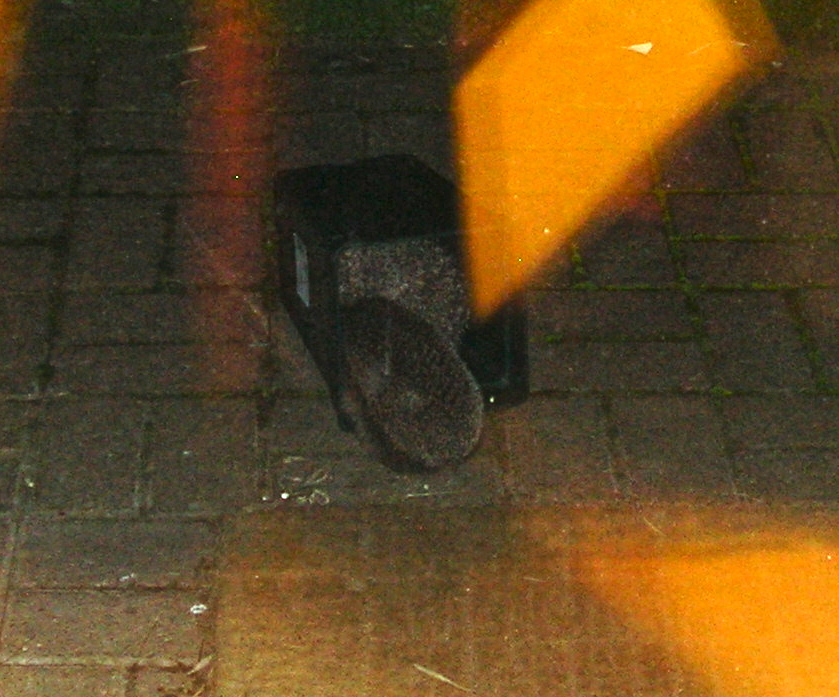
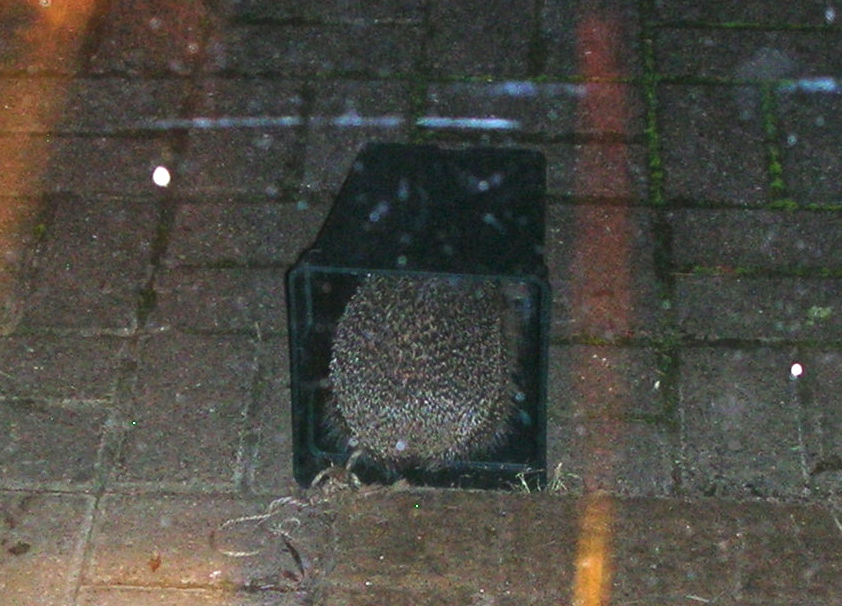
I was going to write a serious post about getting my manuscript to the publishers and reinstating my vanished website, but I have spent this evening rushing to the glass back door to shine a torch on the hedgehogs just outside.

So, I have some very bad photos of the Big un and the Little un trying to eat out of the same flower pot. When I first heard the thumping noise and went to look the Big un was hunched and immobile over the front edge of the pot, while the Little un bumped the back end, moving the pot in every direction. Then the Little un came round and tried to push the Big un out of the way, but he just went further into the pot and sat on the food. DSCN8225

DSCN8226

Eventually the Little un gave up and went round the back to feed on the scraps that fell through the holes, while the Big un munched his way through the nibbles. DSCN8235

When I next looked there was no one in sight, and some food still in the pot, but a while later the Little un returned. He polished everything off, had a little wander and disappeared into the night. I have seen variations of the battle on several occasions now. DSCN8236I’d love to know their relationship, but can’t work out.

A couple of photos from the amazing and unique Hauser and Wirth garden and gallery at Bruton in Somerset. The galleries are full of beautiful, moving and astonishing sculptures, but you may not photograph them. DSCN8175 DSCN8183