Operatic tragedy Nutcracker style

I’ve just got to get a couple of things off my chest.

I had been looking forward to my first production of the early Verdi opera Sicilian Vespers for some months. I was a little concerned by reviews which talked of excessive violence. This opera is a political tragedy set in the 12th century and murder, rape and treason are very much at its heart. HOWEVER, the director had decided to set it in the 18th century (when it was first written and performed) in ballet mode. The cast of Swan Lake appeared to have strayed onto the stage (and were promptly ravaged en masse), they reappeared several times for more of the same treatment. The villain doubled as a distinctly camp dancing master. The Sicilian conspirators lined up at a bar to execute ballet steps and the executioner was a barely-clad child-as-cherub with an axe.

There were some very clever wheezes when the audience appeared to be watching themselves on stage, the singing was often beautiful and moving AND the saving grace was the sublime music and the conducting skills of Antonio Pappano. But… I like tragedy to be tragic, I want to be moved to tears not giggles.

Grouse two. I read one of a series of books by a popular historical fiction writer (for a book group). I was given some facts I never knew. Fine. I was also treated to a scummy, slanderous, prurient version of the mental state of several historical figures. I was left with a feeling of disgust – a real mental indigestion.

Here is a suitably sad silver birch in winter to express my feelings.
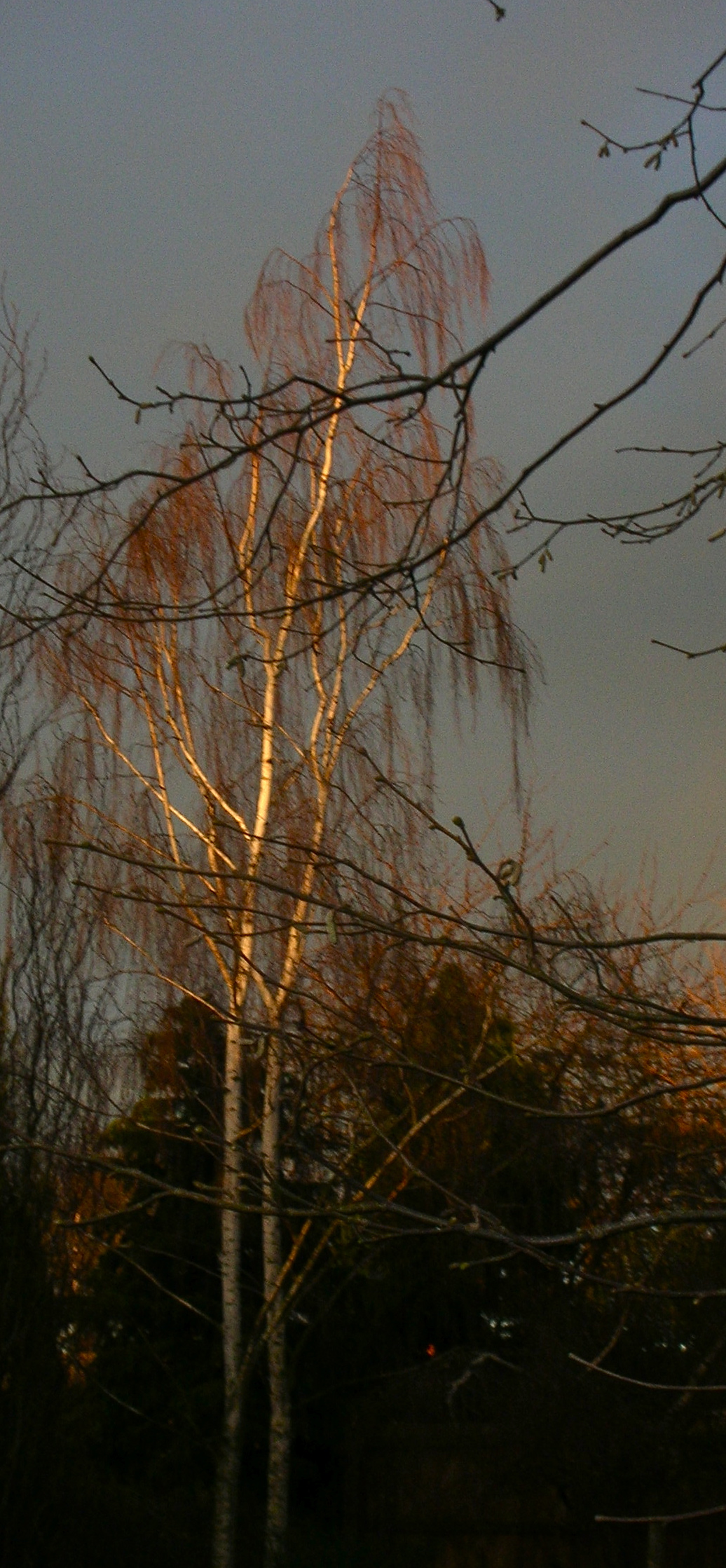
Betula Tristis

Betula Tristis

New acer seedling

In the last couple of years, we have had many seedling round the maples, particularly Matzukaze. I am very excited by the two-year-old one below, which has looked delightful all year. The nearest other-parent maple is Sengokaku, but there is also a green dissectum in the garden and this looks a more likely parent (there is a second bronzier seedling in the same pot.

Matsukaze seedling

Matsukaze seedling

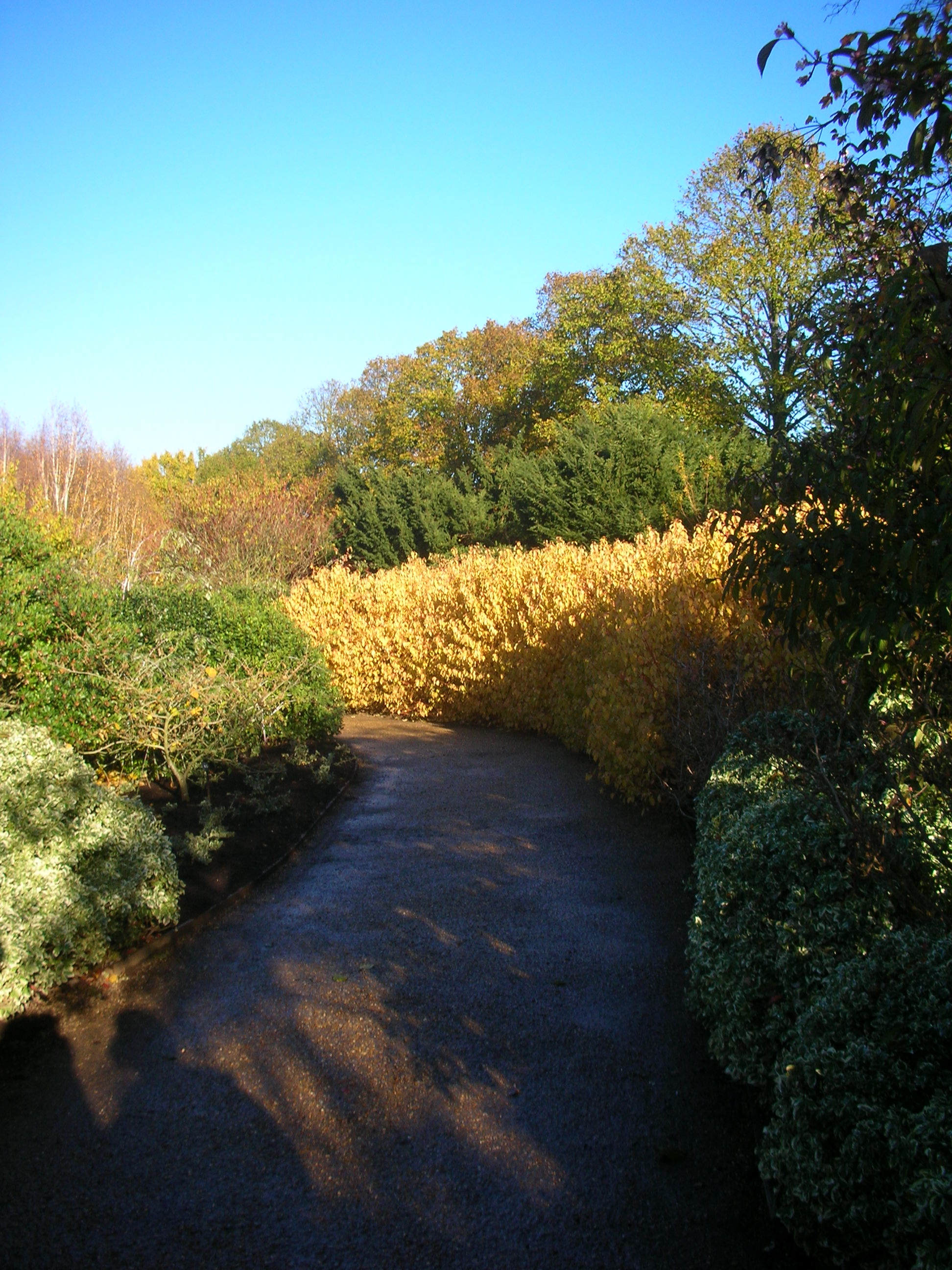
Yesterday we travelled through Suffolk (UK) in brilliant sunlight. Even though it is November many trees are still in full green leaf, others sporting every shade from butter yellow to crimson. In our own garden the trees and shrubs showing their best colour for many years.

DSCN4438 DSCN4458

Disintegrating Earth – don’t panic!

I have just finished Jared Diamond’s book, Collapse: How Societies Choose to Fail or Survive. I found it riveting, though being so full of information it is a substantial read. He looks in detail at societies, ancient and modern, that have failed, imploded or are now struggling (e.g. Greenland Norse, Easter Island, Maya, Rwanda, Haiti etc). He analyses the  many factors from natural climate change (cold periods, drought), through human activity (deforestation, poisonous mining outfall) to political (every type). What emerges clearly is that there are nearly always multiple factors at play many of which we can, if we have the foresight, control (population, pollution etc). He also points out that some nations in the past have perceived their problems and acted in time (e.g. Japan two centuries ago and the Dominican Republic more recently to reverse serious deforestation). The chapters on China and Australia are packed with information that was much of it news to me. I should note that Collapse was published in 2005, but the data remains entirely relevant.

This book also showed how people have individually and collectively persuaded those wielding power in politics and business to change and sort out some major problems. The remaining problems are an immediate threat and will affect the next generation. But I have been left with a determination to make changes in my own small corner.

This positive feeling was enhanced by the delightful lecture broadcast on the BBC This World a couple of days ago titled: Don’t Panic – The Truth About Population, given by Professor Hans Rosling (statistician and physician) http://www.bbc.co.uk/programmes/b03h8r1j . With gentle humour he exposed the misapprehensions of the majority of first world people about the life and problems of the third world (we didn’t know that the birth rate in Bangladesh is now under 2.5% and world literacy is now at 80%). There are gigantic challenges, but we are, he claims, doing better than we think.

Those of us who have, must learn to have a little less, share scarce resources and manage those that are remaining a lot better than we have to date. I didn’t mean to sound quite so evangelical. Back to the DIY insulation and put on another jumper.

Meanwhile roses are still blooming.

Rosa Susan

Rosa Susan

Where have all the Robins gone?

Today I was digging up tree roots. Fifteen years ago such activity would have been accompanied by endless whirring of wings and fierce comments if I was too close to a juicy vine weevil. I always used to have at least two in attendance, and once six! (presumably a family). In an hour of work today I saw none at all. Yet they are there in the garden, as I see them on the feeders. I can’t believe they prefer dry grains to live tidbits and I am sure they have not turned vegetarian.

I worried that this Hydrangea paniculata pink diamond (white flowers fading to pink), might not work in this big glazed brown pot. Guess I was wrong!

hydrangea paniculata pink diamond

hydrangea paniculata pink diamond

Shy saxifrage and bold maples

All day in the garden today. There is so much still in bloom. One of my favourite flowers is this saxifrage fortunei. It is maddeningly slow to increase, but worth the wait.

saxifraga fortunei

saxifraga fortunei


saxifraga fortunei

saxifraga fortunei

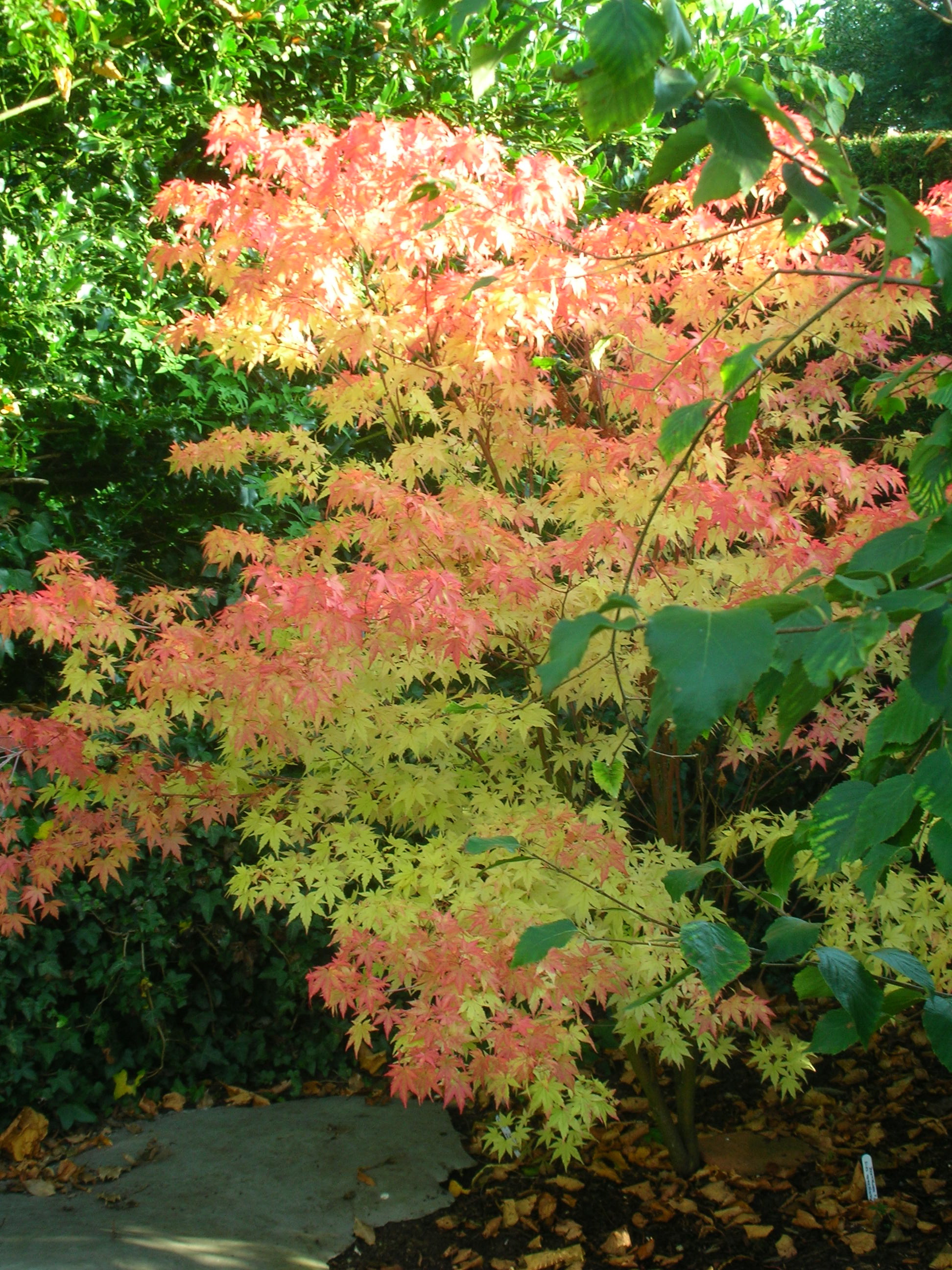
Some of the maples are in their most dramatic phase.

DSCN4370

Acer palmatum Matsukaze

Acer palmatum Matsukaze

Harlequin ladybird

Harlequin ladybird

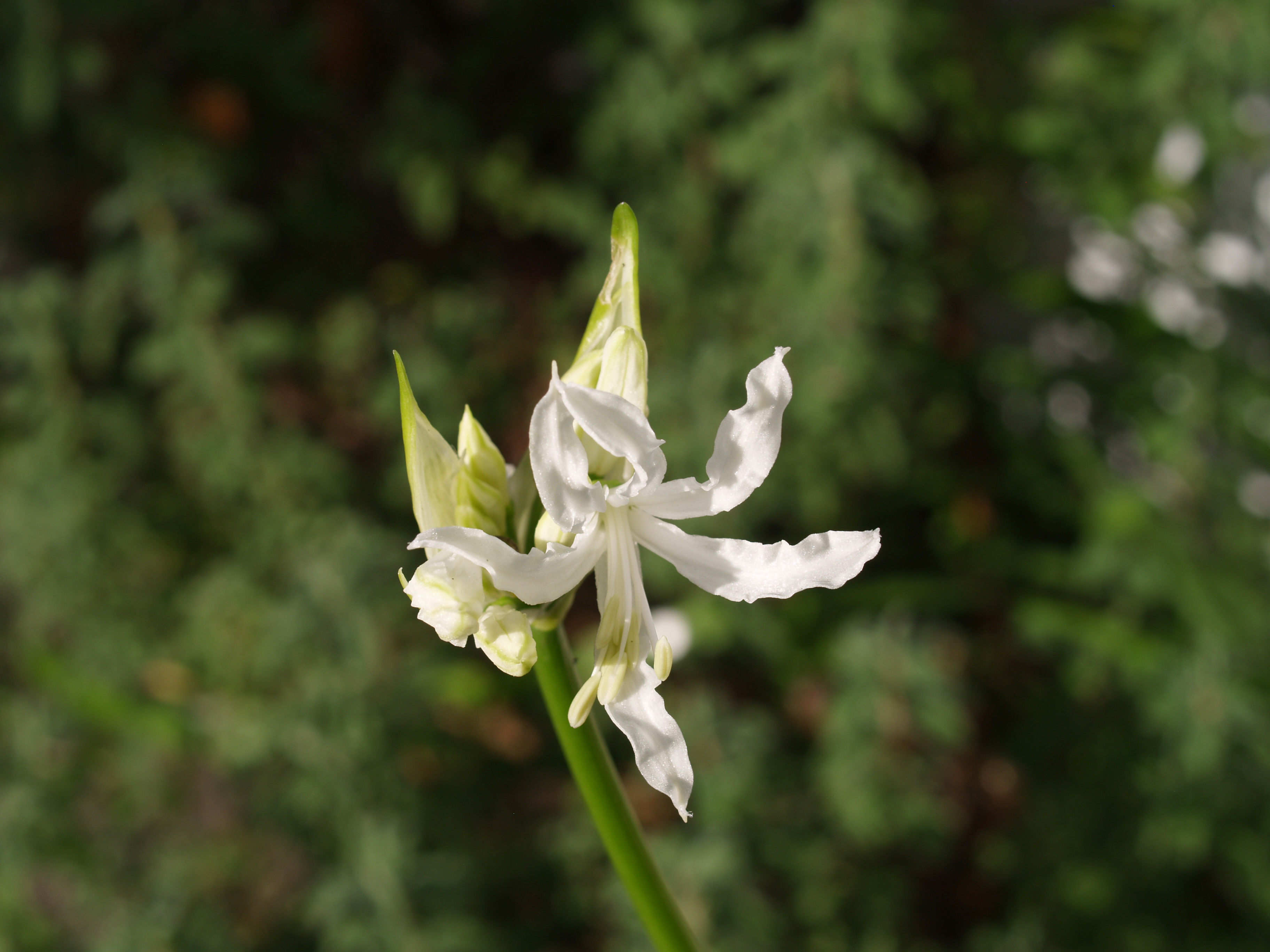
And I have just found a bud on the miniature white nerine I was given last year – happy gardener.

Writing – the swinging pendulum

I have been feeling flattered that a friend across the country asked me to come and be quizzed by her reading group about my book, Unseen Unsung. This was published in 2008, so last week I started re-reading it. I was quite shaken by some aspects of the prose; too dense in parts, too many scene changes. I think if I hadn’t written it myself, I might have had trouble following the plot. I became puzzled, people I don’t know (as well as family and friends) have told me how much they enjoyed this story. Apart from one moment, when I forgot I had written it and the story brought me close to tears, I felt that this was not a book I would recommend to friends.

One outcome of this re-reading was an increased confidence in my new book, Border Line, endlessly revised and now going out to agents. Then, last night, I received an email from another writer – an old and trusted friend. She had been reading my most recent draft and she felt that the majority of my revisions were a disappointment and that I had thrown out what was best and unique about my writing.

Tomorrow night I will travel across the country to find out what a group of strangers made of Unseen Unsung. On Monday I will look at Border Line again and see if I can distil and replace the missing spirit.

Meanwhile Autumn is quietly going about its inevitable and beautiful business.

Acer palmatum Sengukako

Acer palmatum Sango-kaku

The workshop in the dining room and a sunset

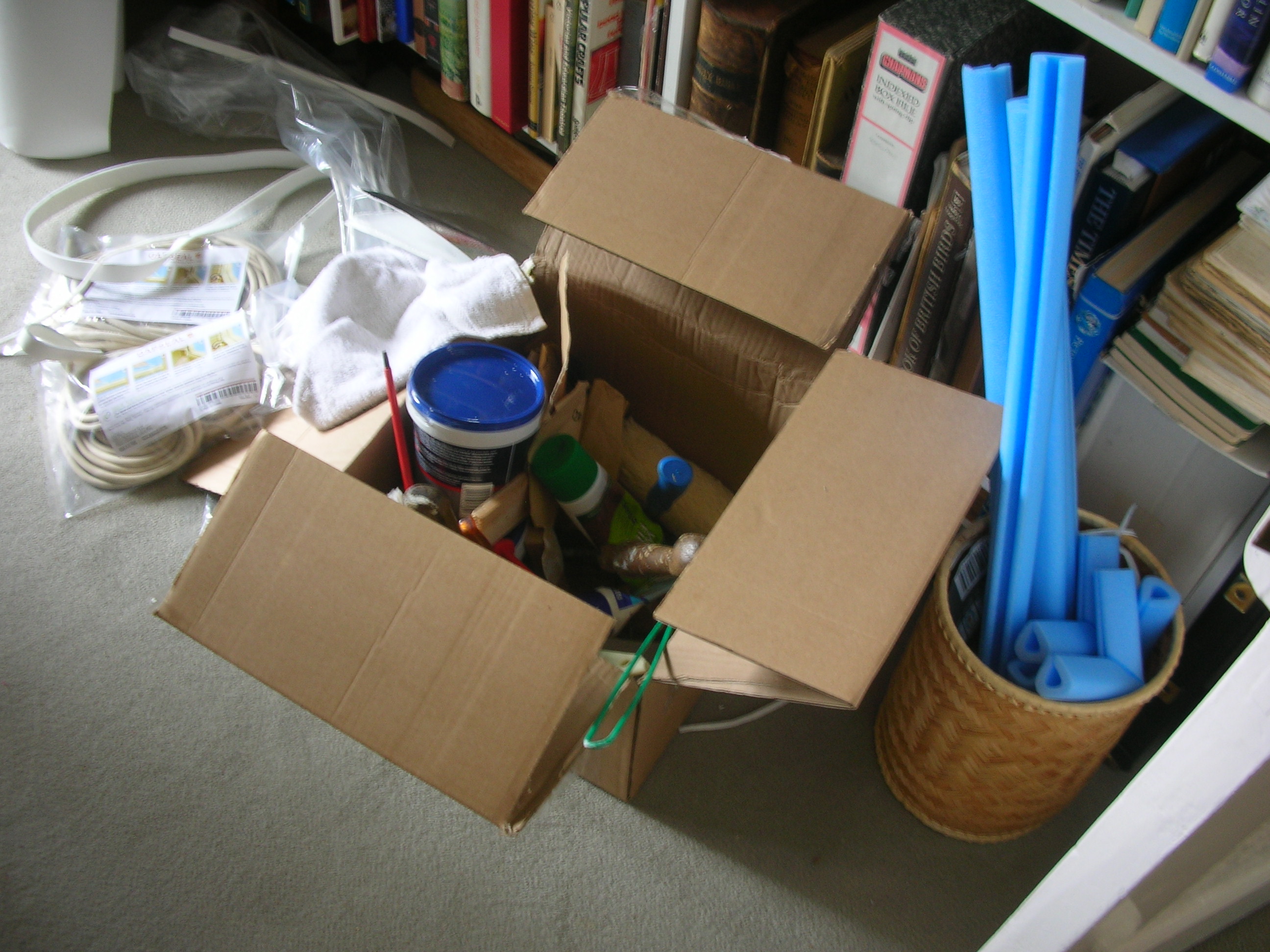
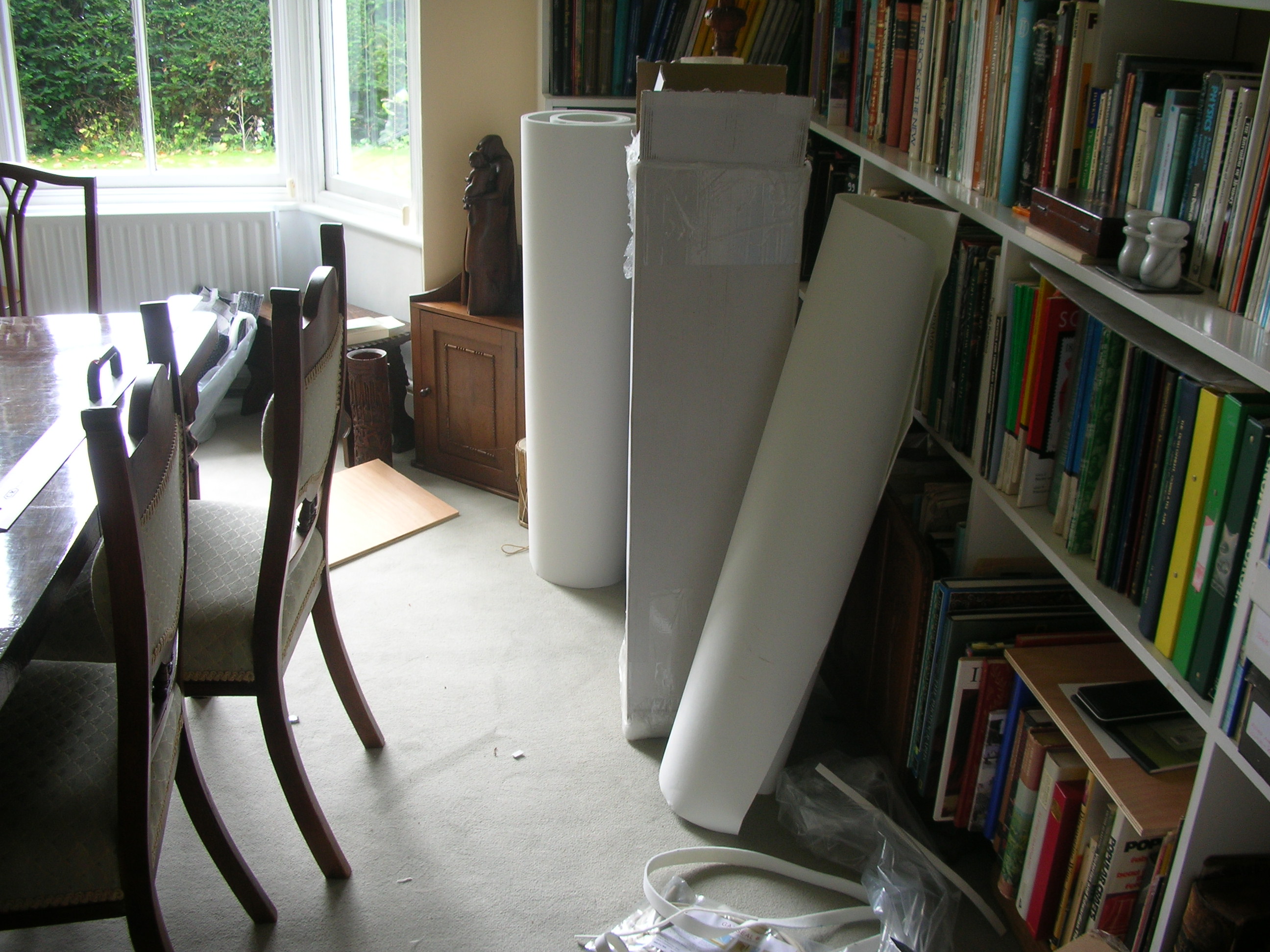
I’m not sure what law I’m invoking, but whatever DIY job I take on, tool by tool, the workshop slowly transfers itself to some unsuitable room in the house. This time it is the dining room.

DSCN4328I swear I only needed a ruler, a set square, some paste, a brush, a set of ladders and some cloths. Two weeks later the dining room has lost its identity under cardboard boxes full of the extra tools required.

DSCN4327

It will be worth all the effort when winter finally arrives. We have lined many of our thin outer walls with wool fibre thermal lining paper (you can just paint over the top).

DSCN4329 We have also added some incredibly simple magnetic secondary glazing, purchased online from the wonderful www.nigelsecostore.com There are real, helpful people who answer emails and the phone.

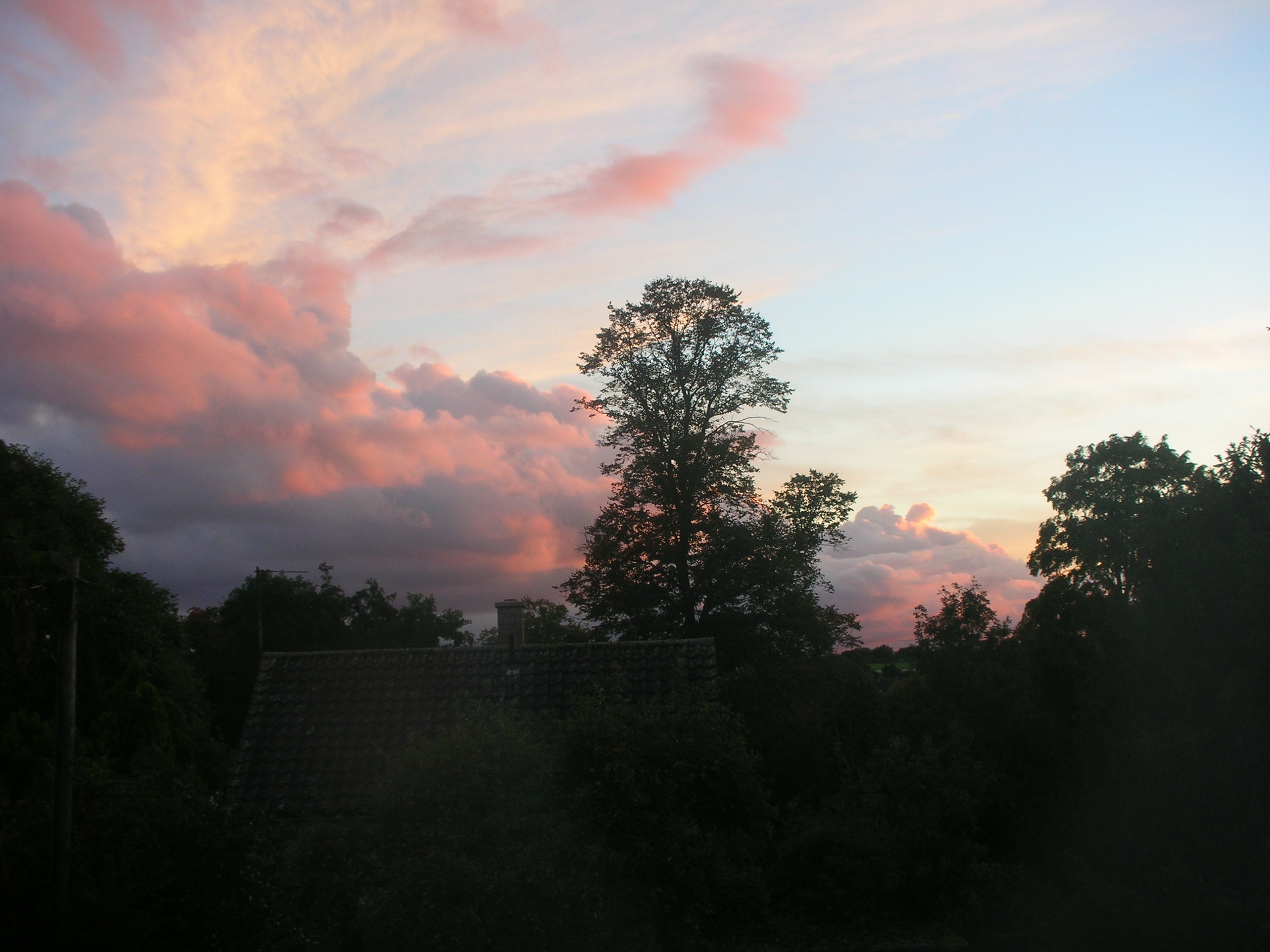
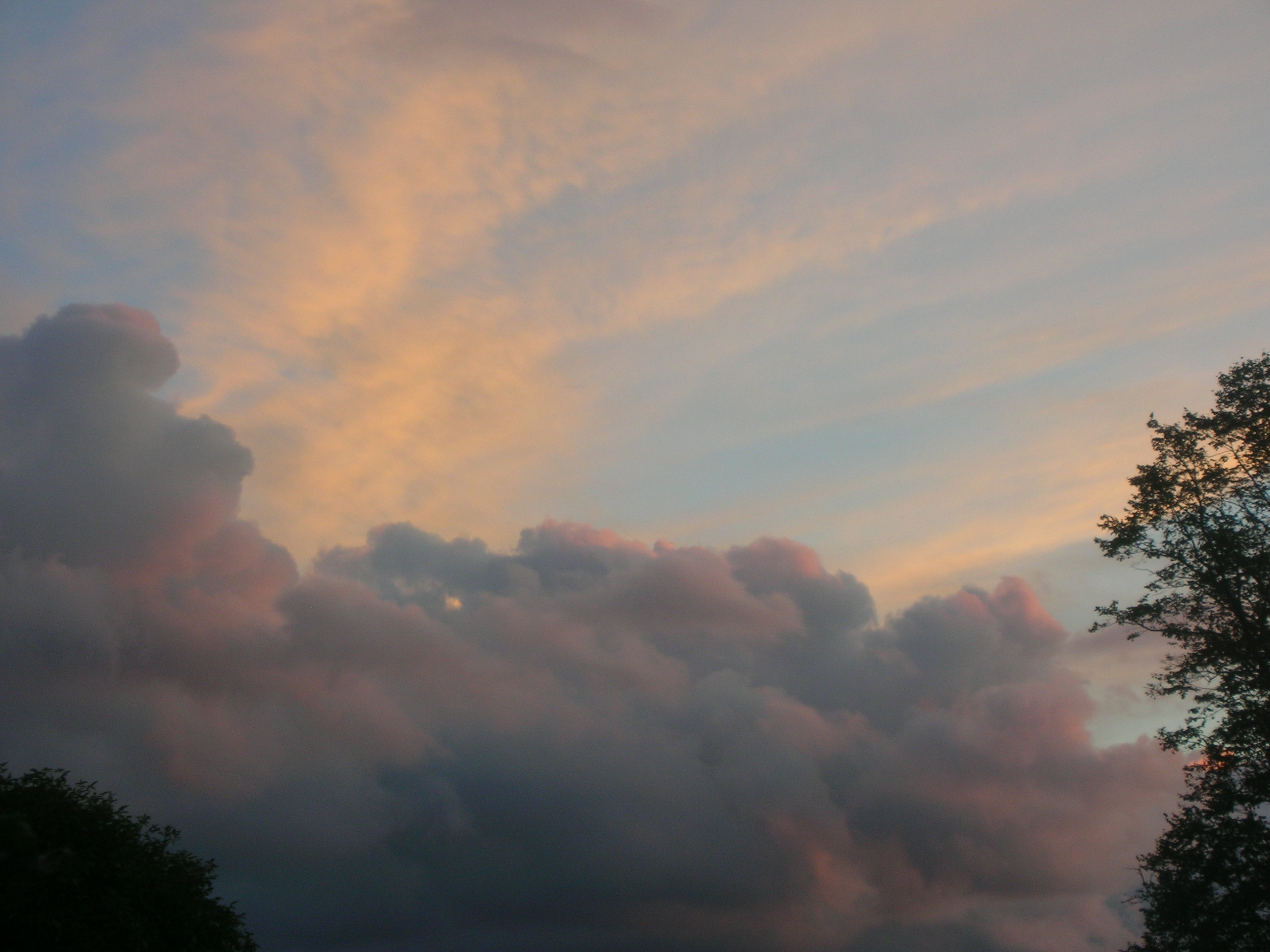
Yesterday after spending all day trying to finish off the walls, I went outside for a break and this is what I saw.

DSCN4342

DSCN4343

DSCN4346

DSCN4347

Invisible DIY, finding heroes, writing and autumn outside

It been a busy week!

Today I relaxed by covering another two wall areas with thin woollen jackets. Our house has a mere nine solid inches of brick between us and the winter storms, so each year we add another layer here or there or another piece of secondary glazing. Some panes arrived with the new magnetic attachment system which works brilliantly (though to my embarrassment I had the dimensions of one of them wrong).

I needed to relax from the excitement of two days of Internet connections. Pierre Lagacé, of Lest We Forget, found a website for me with the story of my airman uncle’s Commanding Officer (http://www.marcusbicknell.co.uk/nigel/). I have been in touch with his son, Marcus, and had a a wonderful and productive email exchange and the blog (http://johncustancebaker.wordpress.com) has now become a rich repository of Mosquito and meteorological lore of WWII.

Signalman William Dawson

Signalman William Dawson

Both these activities have been punctuations in my all out blitz on the manuscript of Writing to a Ghost: Letters to the River Kwai 1941-45. A few weeks ago we visited the museum where some of the materials – letters to my mother from the wives and mothers of my father’s Unit, all Far East POWs – are housed. This time we photographed all the photos my mother had collected. I have been able to put faces to nearly half the men in the story. They are brilliant, but some of them make me weep.  I have also been following a friend’s advice as I worked over the manuscript.

Meanwhile, the sun has come out again and the air is warm, and autumn is raging outside. I want to be in the garden. (We did have lunch in the garden.)

Rosa Mary Rose

Rosa Mary Rose

DSCN4320

Acer palmatum Sengokaku

Acer palmatum Sengokaku

DSCN4321