Writing women and peonies

I recently finished Elaine Showalter’s A Literature of Their Own: British Women Writers from Charlotte Brontë to Doris Lessing.

DSCN5610

Researched and written in the 1960s and 70s, first published in 1977 and revised and expanded in the 1990s with a new edition 2009 much reprinted since, this study of British women writers has stood the test of time very well. There is much to fascinate a writer today. Perhaps most astonishing is that this study, by an American, was so ground-breaking. As Elaine travelled “…around chilly municipal libraries in England in quest of women writers’ archives, I was often rewarded by becoming the first scholar to read a harrowing journal or open a box of letters.” Studies of women’s writing have abounded since those early days and much of the introduction (written twenty years later) is taken up with the (often negative) reactions by later scholars, pundits and activists to her analysis of this subject.

The book itself is a treasure trove of discoveries, of women who wrote the best-sellers of their day, but have been wiped out of history, of changes of taste, of changes in the roles of women, of transformations (or the lack of them) in the reactions of men. It back-fills the story that seems so often to consist only of Austen, the Brontës, Eliot and Woolf and gives a structure to the history of two centuries of writing.

Elaine’s original title had been The Female Literary Tradition in the English Novel, but Princeton University Press changed this to the current one – not, as so many have assumed, in reference to Virginia Woolf’s A Room of One’s Own, but a quote from John Stuart Mill  in 1869 in The Subjection of Women. He wrote: “If women lived in a different country from men, and had never read any of their writings, they would have a literature of their own.”

Although this book started life as an academic treatise it is highly readable and full of insight. It has changed my understanding of the journey so many British women writers have taken. There are also some quotes to make your blood boil and your mouth drop open.

On a completely different subject. It is tree peony time here. Finally the long-watched buds are opening.

White tree peony

White tree peony

Over Easter I saw this Molly-the-Witch in the local Botanical Gardens. Molly is usually a clear yellow, but this is a very delicate cream with peachy markings. Definitely on my want list.

Paeonia mlokosewitschii

Paeonia mlokosewitschii

There will be more in a later post.

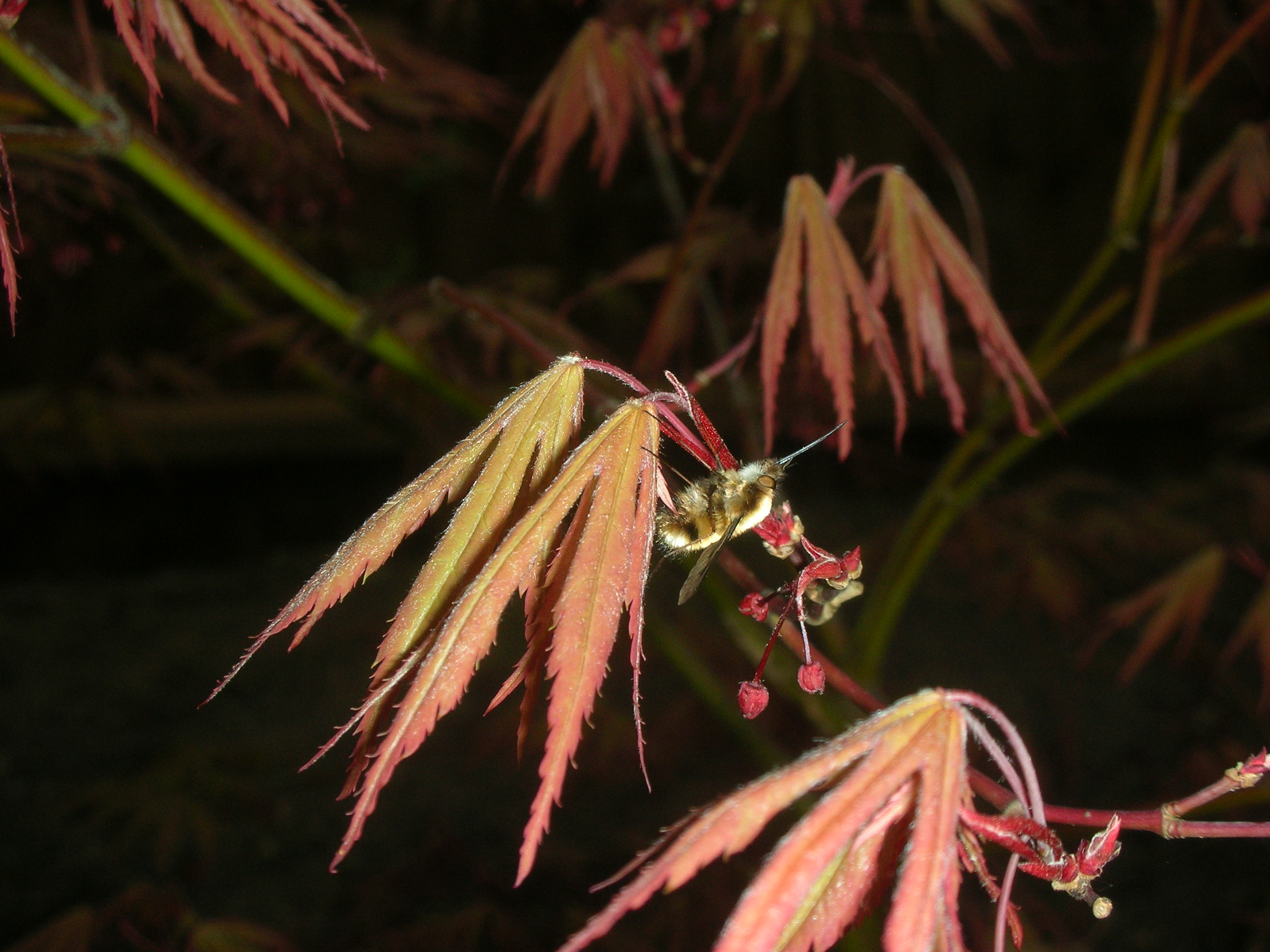
Just a bee (I think)

I wanted to review this great book (which has a purple cover and is not out of focus),

DSCN5583
and I hoped to write about POWs, and I even planned to write about writing (which is a thing I should have been doing, but spring and greenhouses have intervened). Now Easter has caught up with me and my guests are here, so I shall be off for a few days. Here is a picture of what I think is a bee of sorts, but it may be one of those clever flies masquerading as a bee. DSCN5517

Far East POWs – reflections

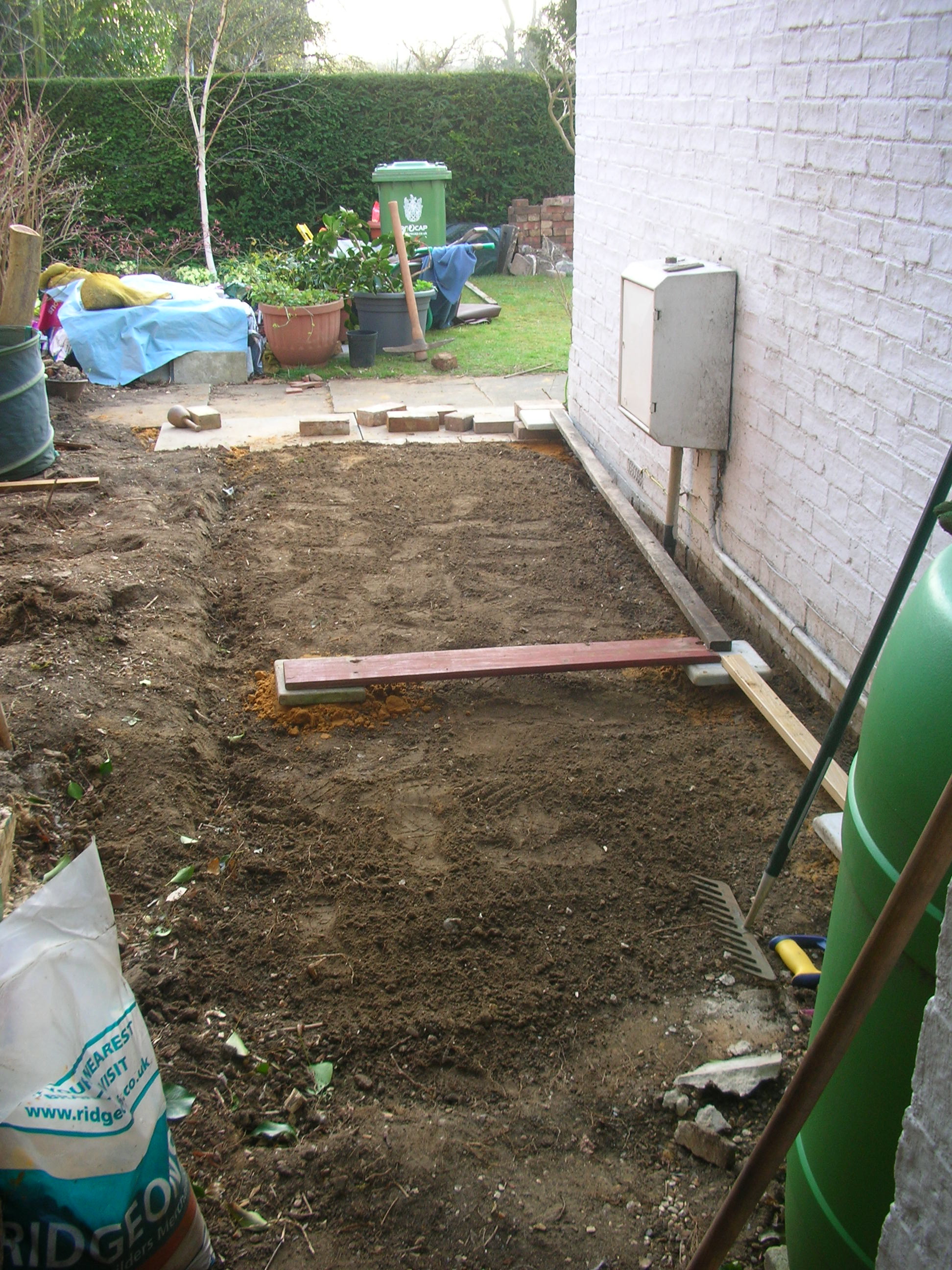
It is some time since I posted about the men I have been writing about who were Far East POWs (and their wives and families). The MS is currently being read by an historian so I planned to take a break. Nevertheless I have been thinking about the men rather a lot. In the past few weeks I have been labouring against the clock to clear the ground for a new fence where mature trees once stood (https://greenwritingroom.com/2014/03/14/). I have also been trying to make a level base for a greenhouse (a task I have never done before).

DSCN4979

In the course of these endeavours I have been very tired, very hungry and slightly injured. Then I contracted a feverish cold, and the weather became strangely hot for April. With each of these sensations I couldn’t help remembering the accounts of the extreme versions the prisoners suffered on the railway. I tried to imagine how it would feel to be sicker or to have no rest, or food. As I stamped down the earth on my greenhouse base-to-be, I found myself repeating the phrase my father had remembered from his days when they were building the embankment on which to lay the tracks on the Thailand-Burma Railroad.

 At the end of each days work we marched up and down on the newly placed earth stamping it down firmly. I remember the Japanese engineers shouting “Orr men stepping very hardly”.

DSCN5309

It sounds perverse to say that I also enjoyed myself, I actually like labour, something I suspect I have learnt from my father. Anyway the fence (done by professionals in contrast to my DIY)) is now up.

DSCN5374

I can now get on with the rest. There is still rather a lot of earth to move, rather a lot of sand to lay as a base and all that lovely marble (purchased for another purpose several years ago) to go on top. In the meantime I have managed a few hours of editing on the POW MS. The men are not forgotten.
Garden antiques?

Our new neighbours have been clearing out their garden shed. The house had belonged to a 92 year-old lady who had lived in it for 90 years. Among the gardening tools, they found this.

unidentified garden tool

unidentified garden tool

Has anyone any idea what it is for? Suggestions? It is about 18 inches/45 cms long. It has an iron head and the shaft has a leather handgrip. It looks a little like something a medieval knight might have wielded, but not something a well-bought-up lady would be using in her garden.

PS

It is clear from pictures on the Internet – thank you Koji – that this is a flanged mace. This was used as a weapon in armed combat in Roman and medieval times (for penetrating armour) and is still used for a variety of ceremonies today. As this one is relatively light and short and presumably modern (i.e. within the last 150 years), I assume it is ceremonial, though these usually have rounded flanges and more ornamentation. It is, in spite of its size, a dangerous weapon.

Woman versus holly and magpies – two:nil

Though it didn’t look very promising at half time.

Holly root

Holly root

DSCN5049DSCN5050
I won eventually.DSCN5004

We have been putting up coconut halves full of fat and bugs for the birds. These have been a great success and we have much enjoyed the antics of a pair of long-tailed tits. They are thinking of nesting, but are convinced that our garage houses some rivals, so they spend much time attacking the windows.OLYMPUS DIGITAL CAMERAHowever a much more serious threat has appeared. A pair of magpies have been eating from these coconut shells, and even investigating the seed feeders. We have found a simple solution, which might be useful to others. Two hanging baskets joined together make a really good guard. Small birds in, Magpies out.
DSCN5032DSCN5030I shall be away from my blog for a few days. I should have put up another POW post, but the garden demands have been non-stop so this will now have to wait until I return. I wish I could leave you with a picture of the miniature cherry or the apricot, but though both have started to flower they are not yet looking their best, so here are the current stars.

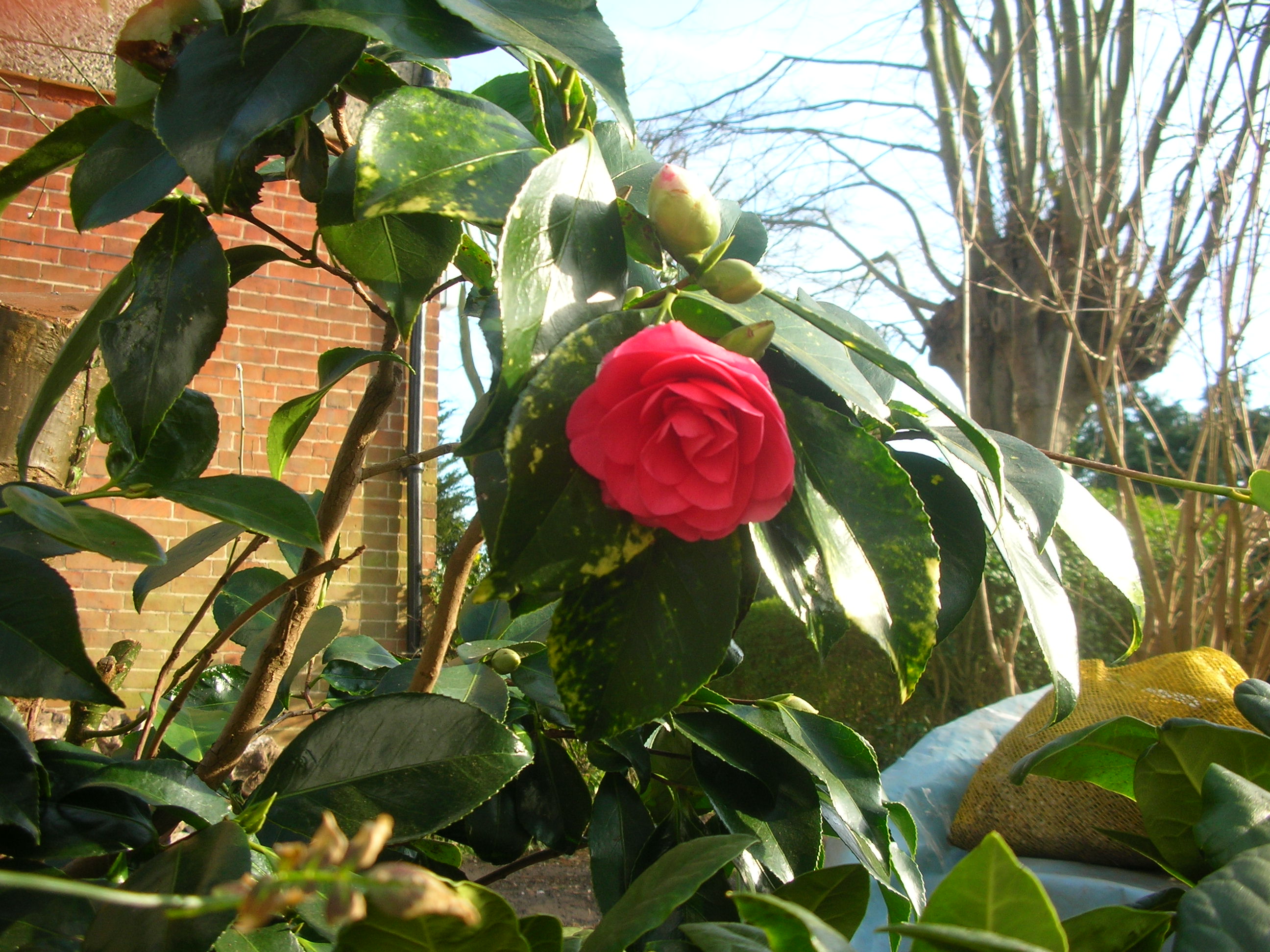
Camellia Mary Phoebe Taylor

Camellia Mary Phoebe Taylor

Anemone de Caen

Anemone de Caen (flowering now since late December)

Chaos, crocus and broccoli

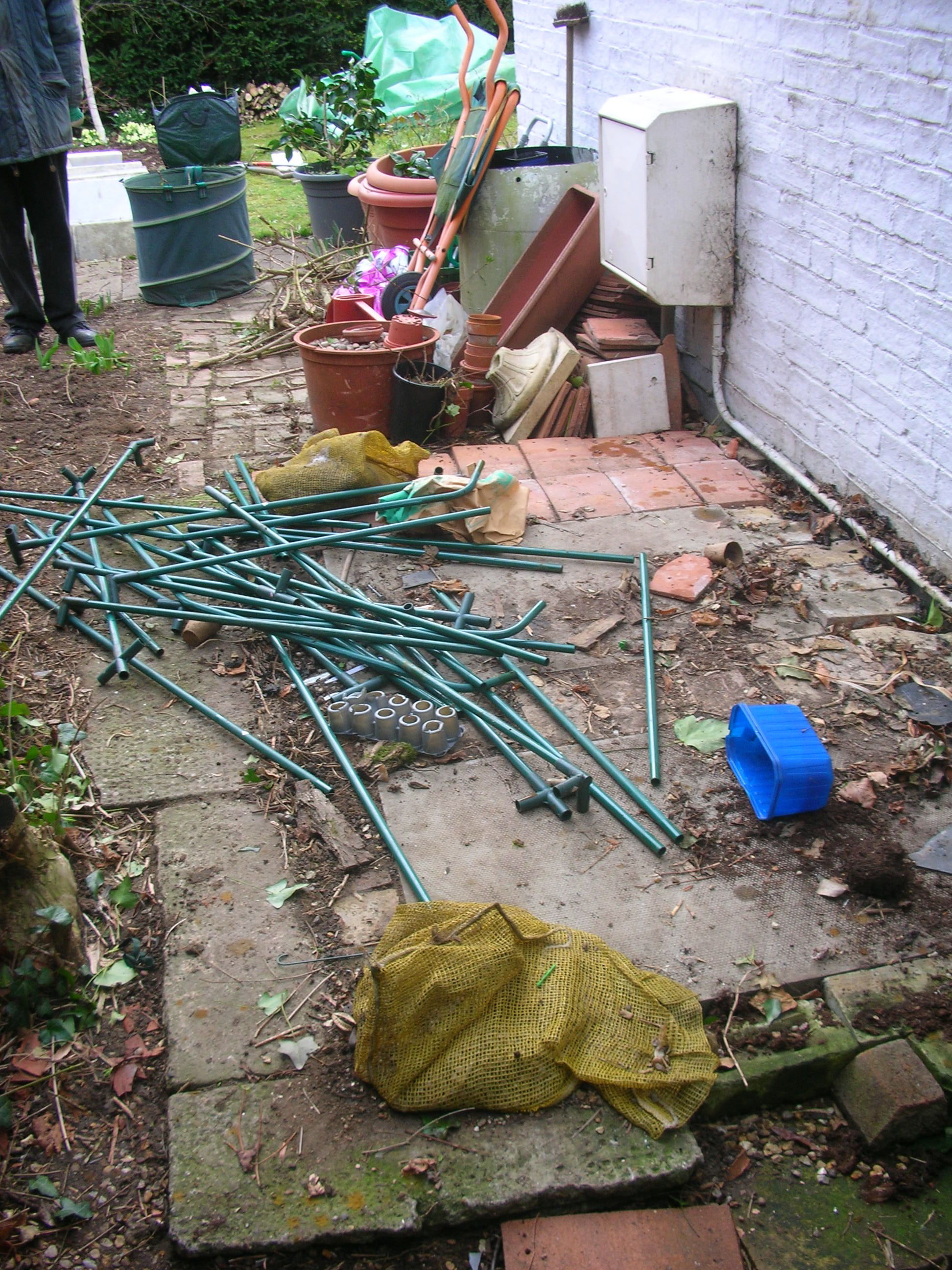
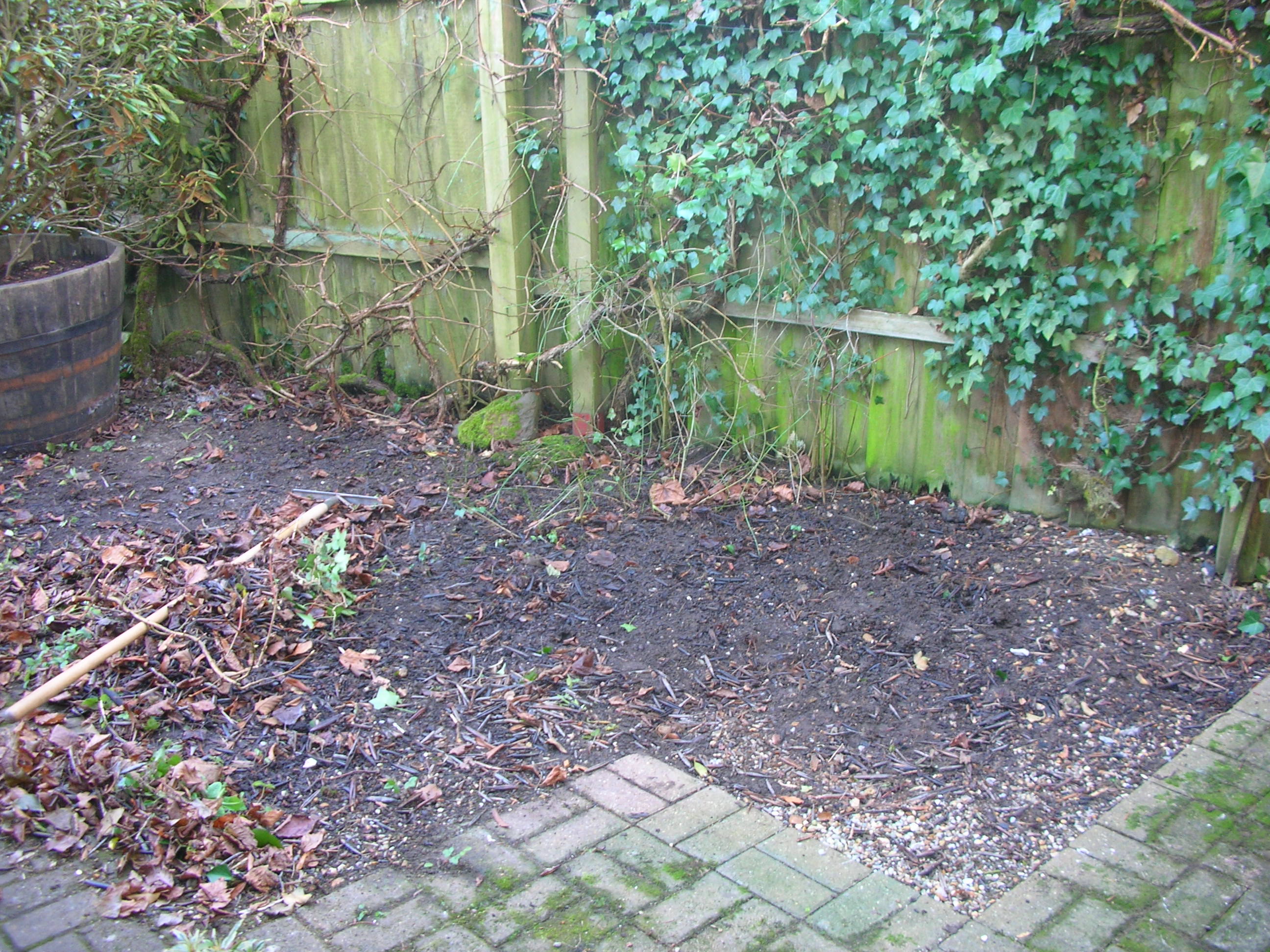
The site for the new greenhouse has reached (I hope) the lowest point in its development. We have removed the old green plastic affair,DSCN4916and begun to clear the area.

DSCN4927

Then we made some more mess,DSCN4951

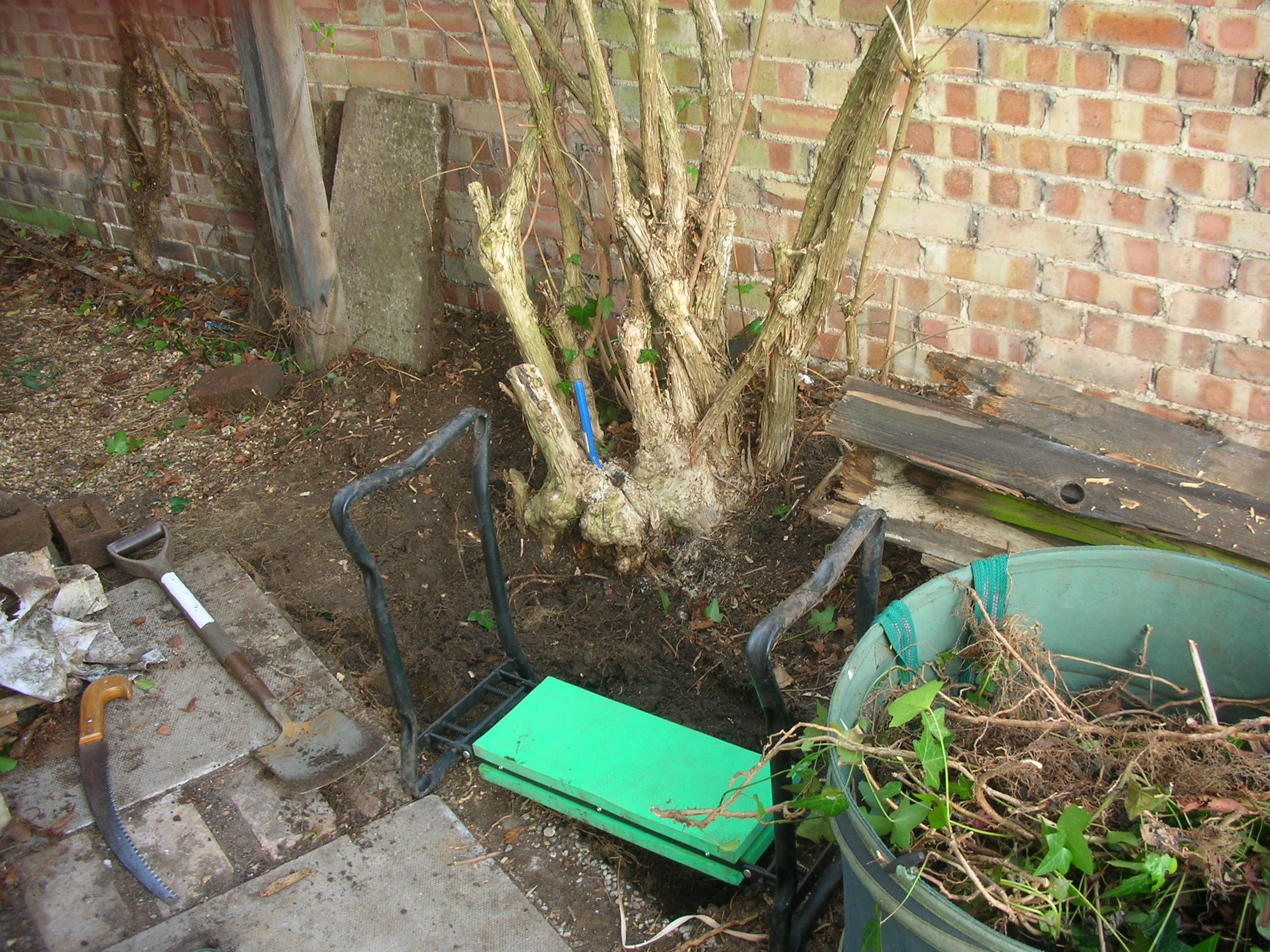
and attempted to cut the root of an old philadelphus in half.DSCN4953This is not a bright idea, but this shrub is one of the original ones and has such sweet-smelling flowers I am reluctant to dig it right out, even though the root will make it hard to get past the new greenhouse.

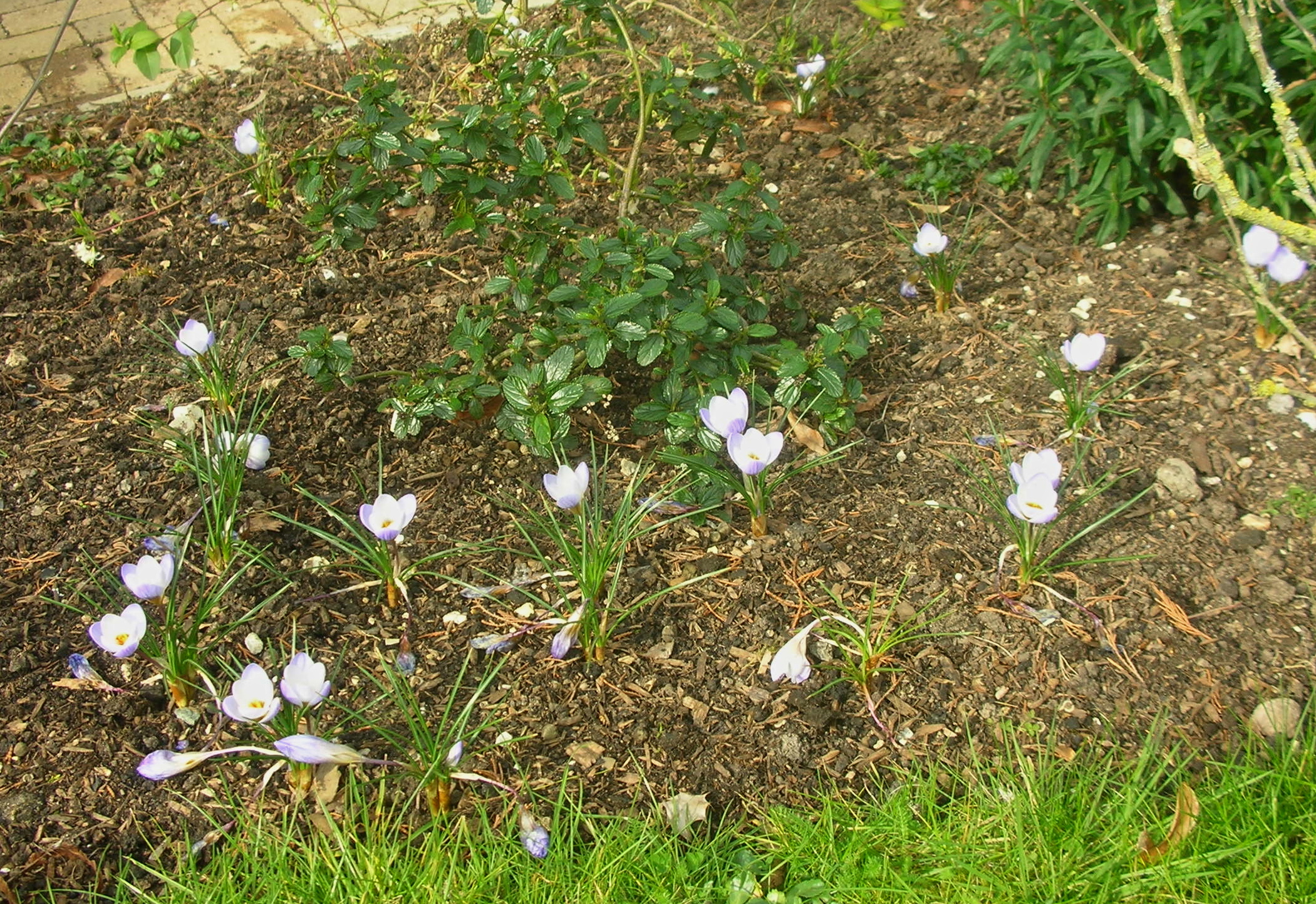
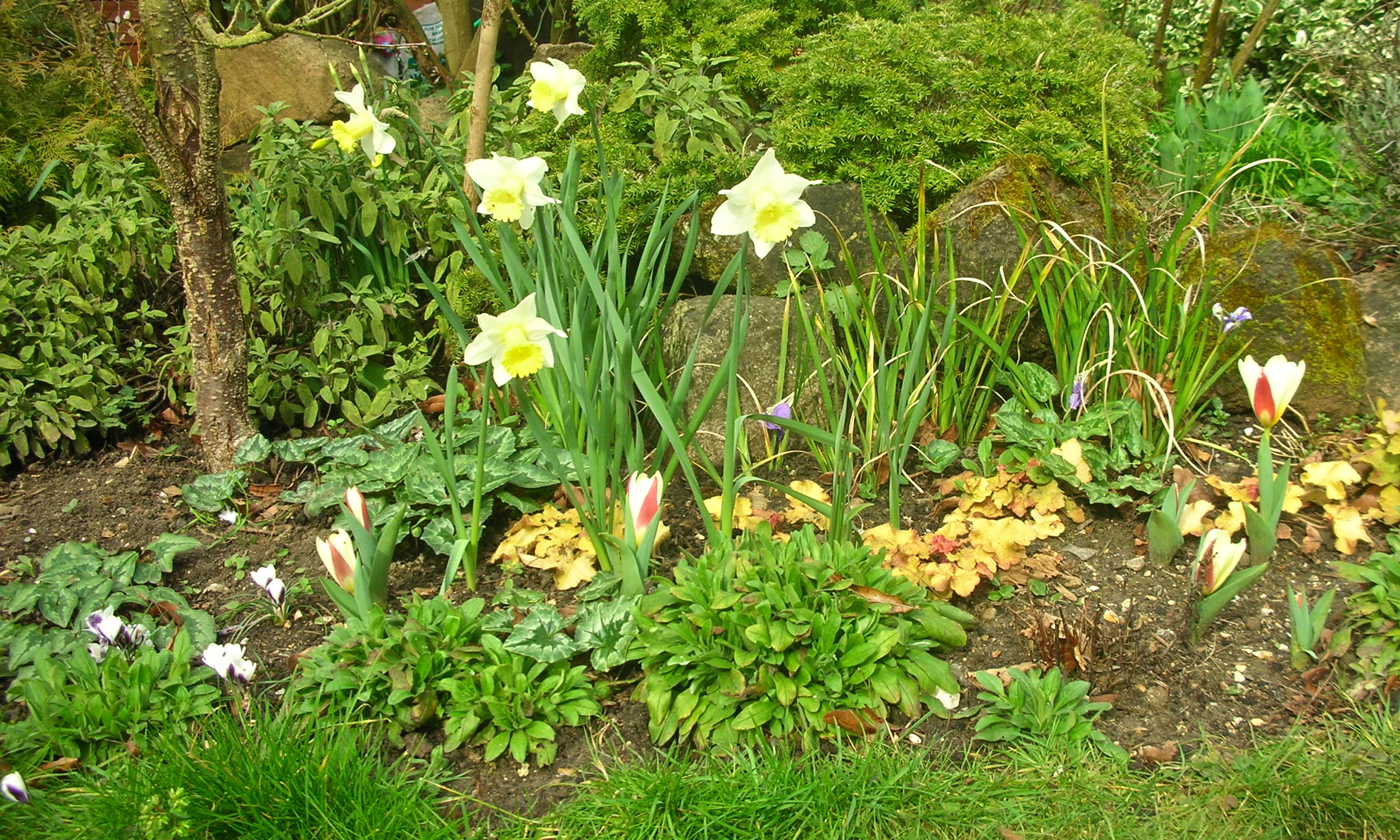
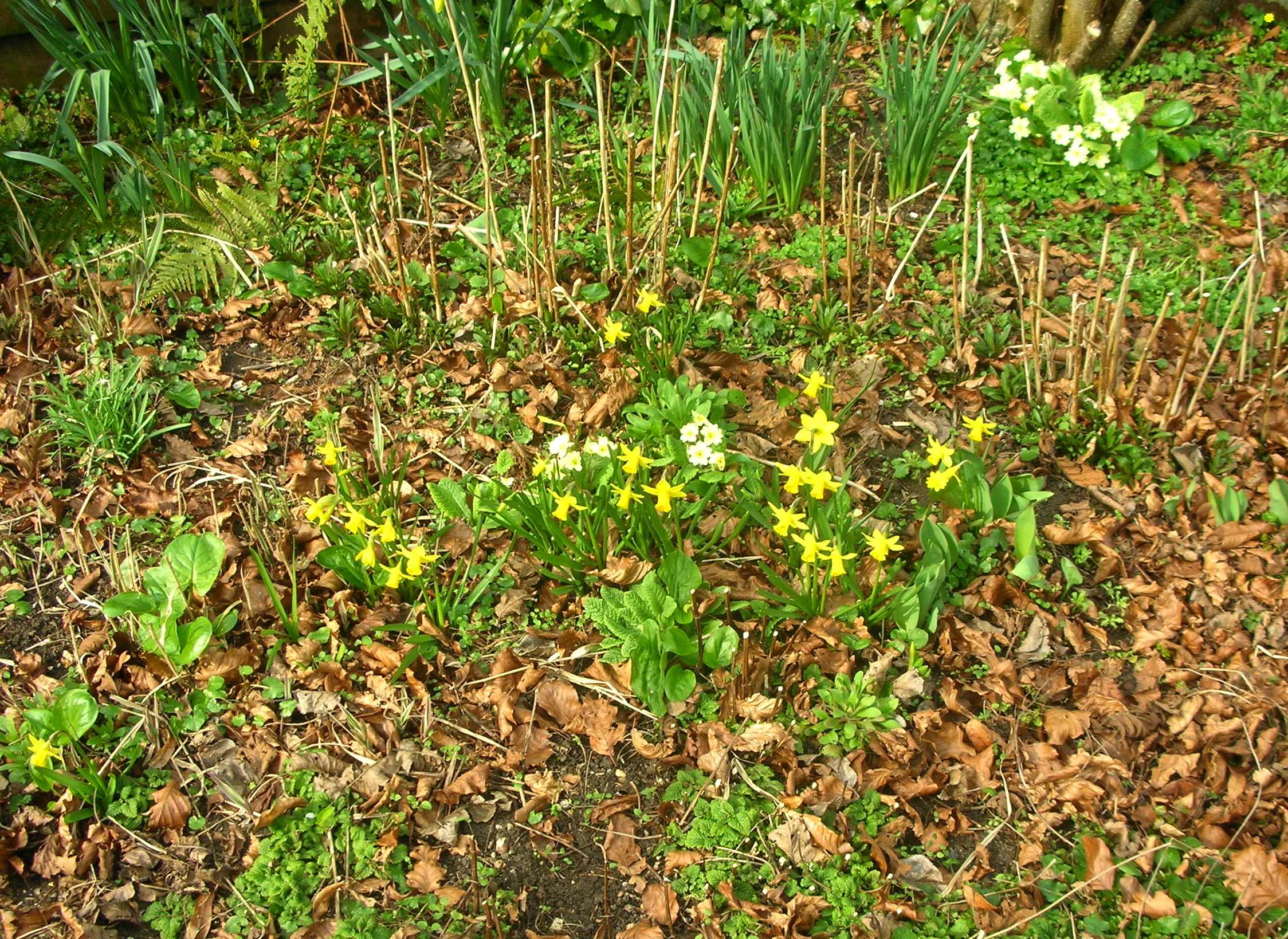
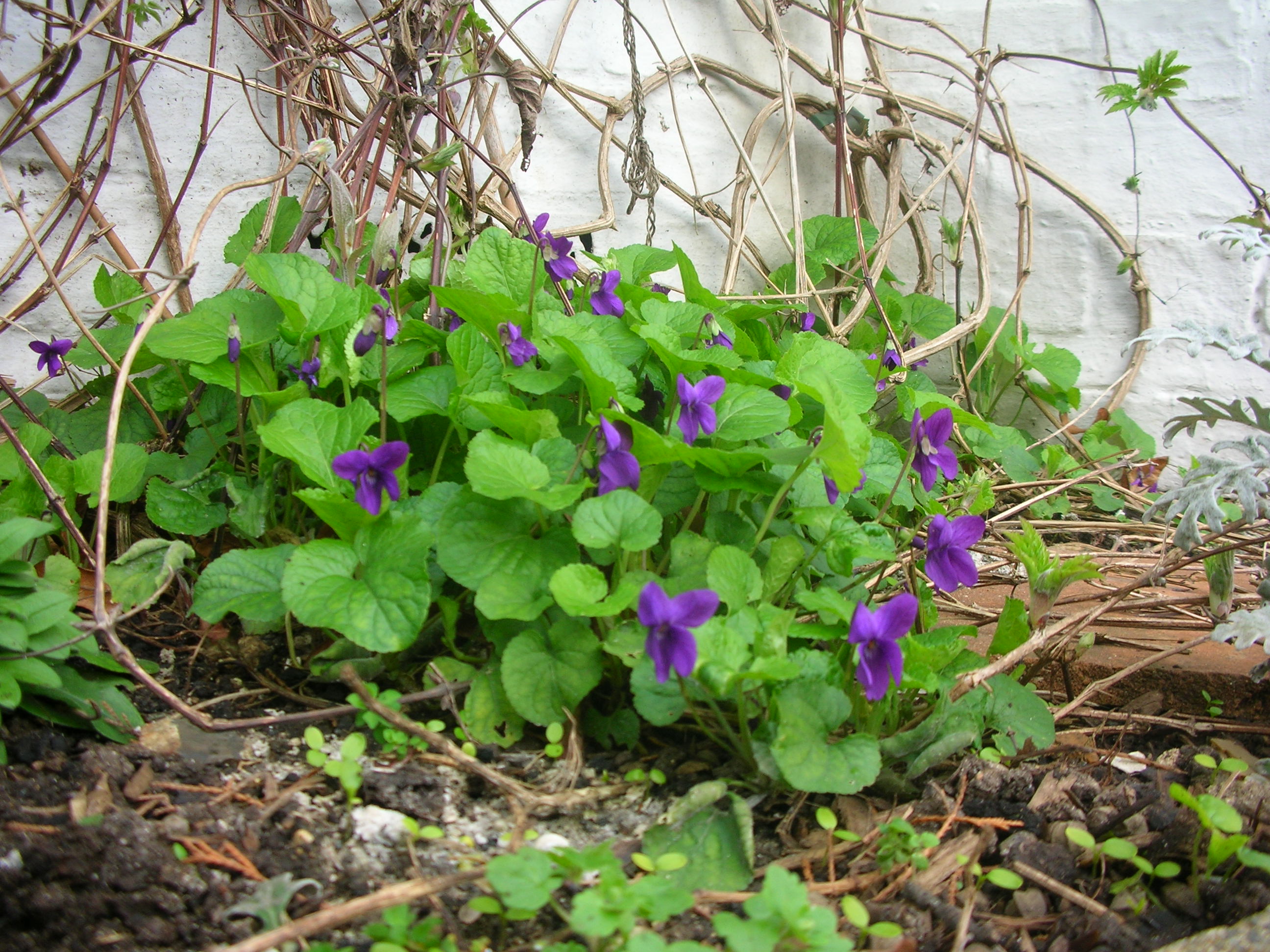
In the meantime every crocus in the garden is out, not to mention some early tulips and the garden is awash with primrose and miniature daffodils.

crocus Blue Pearl

crocus Blue Pearl

DSCN4924 DSCN4935 DSCN4932

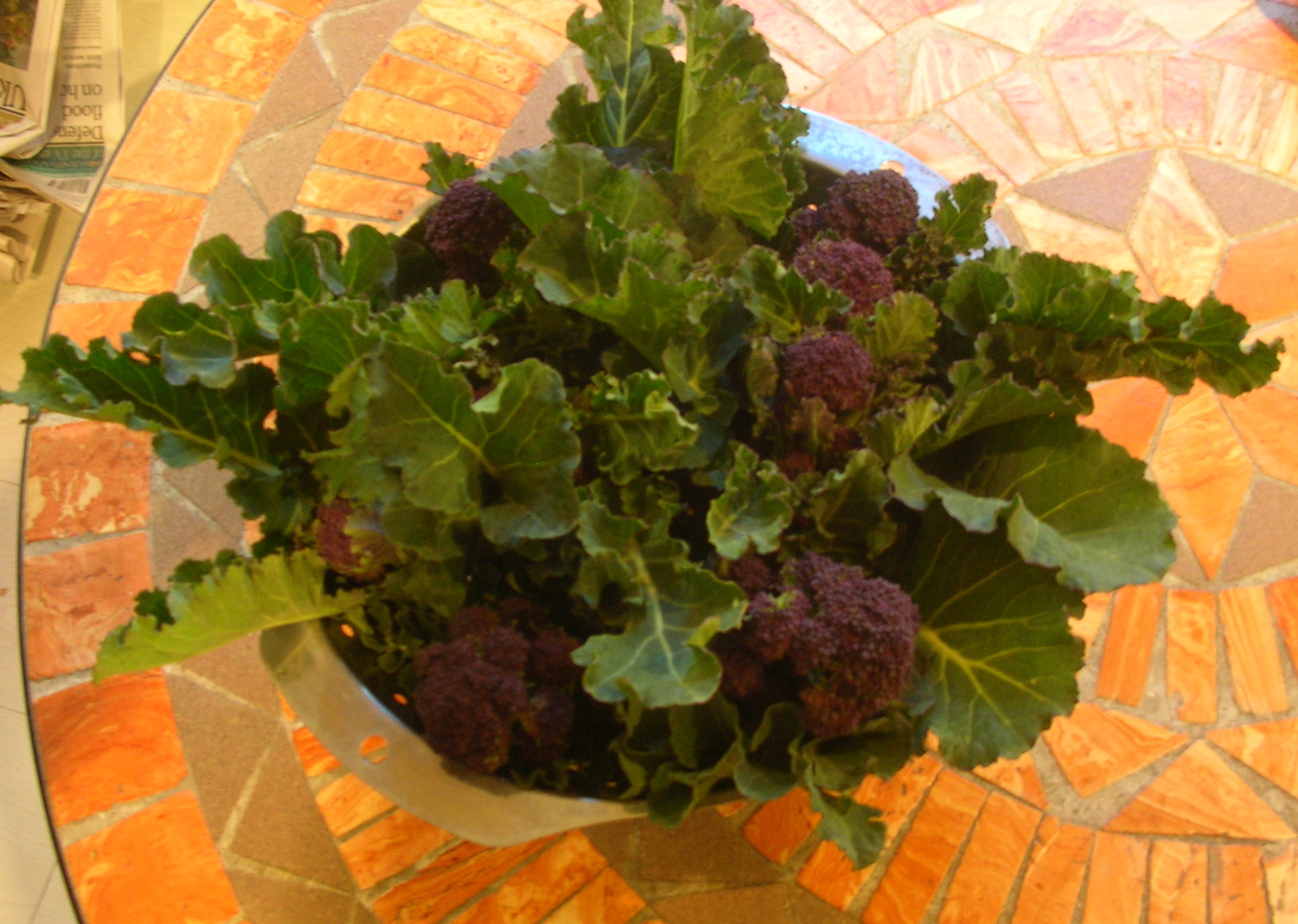
Finally, I can’t hide my pride in our first broccoli. This was cut and eaten on February 22nd.

purple sprouting broccoli

purple sprouting broccoli

The garden moves

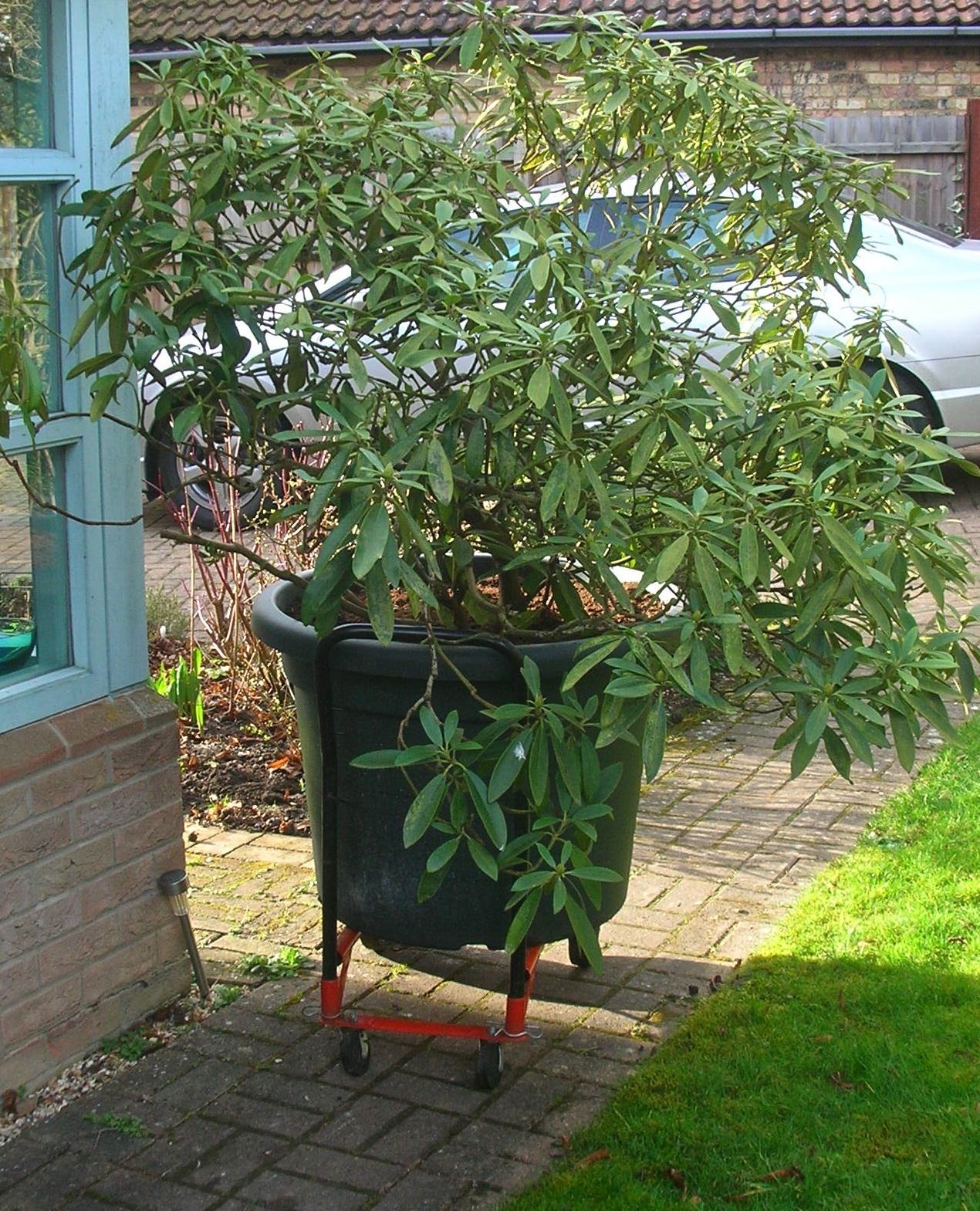
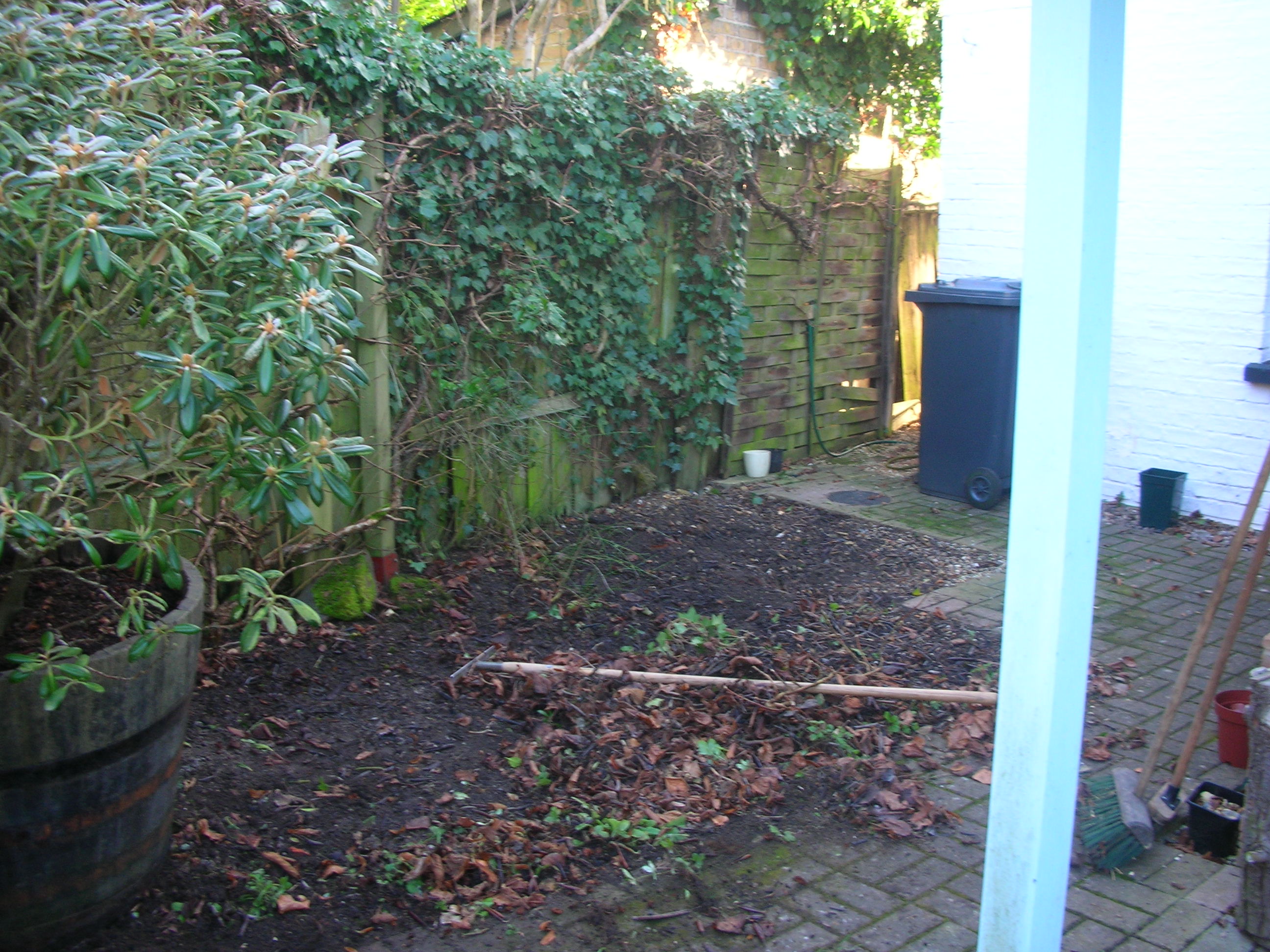
After creating havoc and shifting (with much help) a rhododendron in a barrel (Yakushimanum) and removing a couple more in large plastic posts, we got stuck into the mud and sand and repaved the area.

DSCN4773DSCN4792DSCN4794DSCN4804 DSCN4830

Then we replaced Rhododendron Cupcake (above in grey pot) and tidied up,

DSCN4882feeling pleased that we had solved the Rhododendron-meets-giant-hosta-and-blocks-passageway problem.

OLYMPUS DIGITAL CAMERA

Hosta Sum and Substance

Hosta Sum and Substance

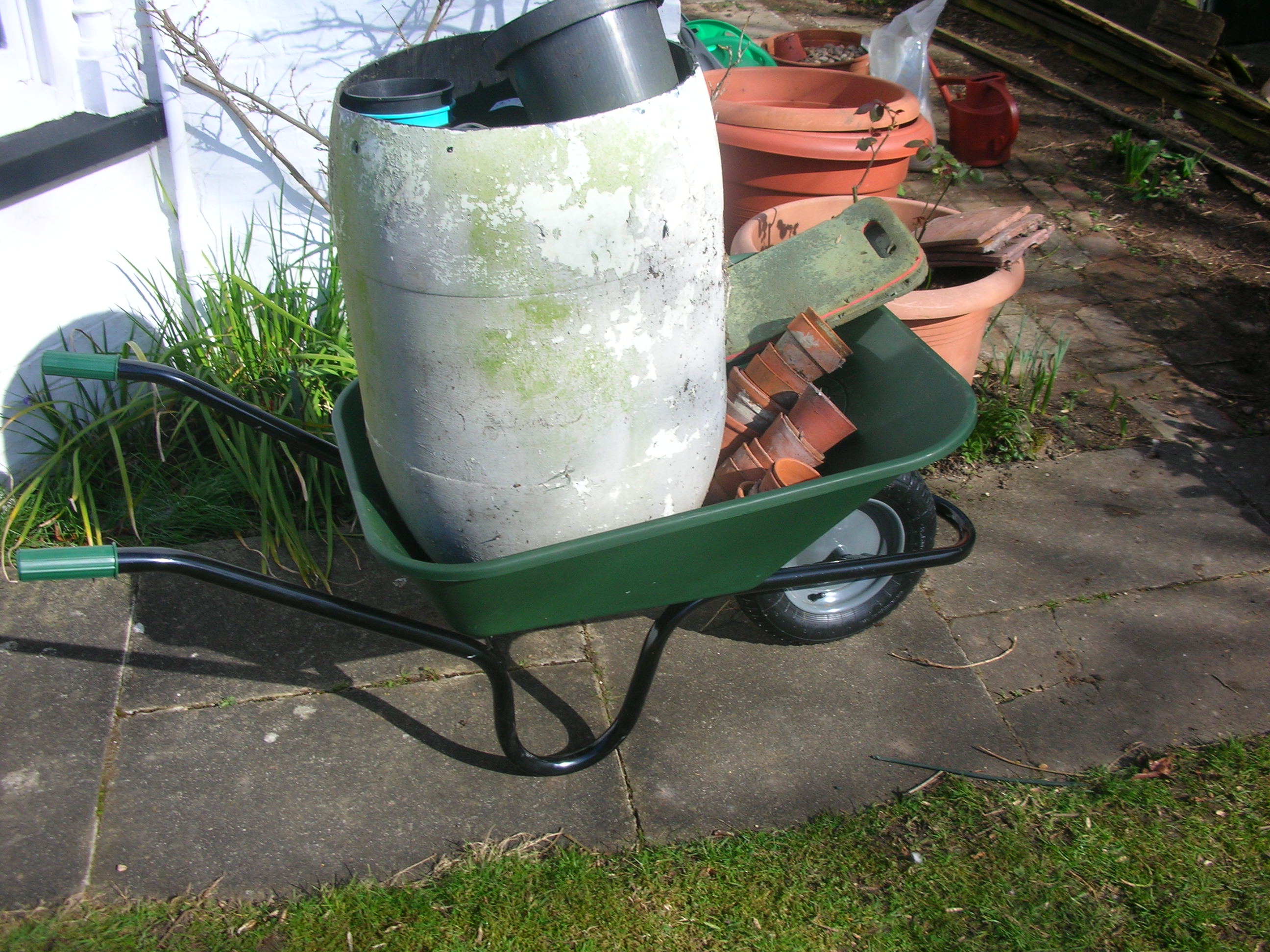
But we still had another problem – the second big grey tub, one small (elderly, decrepit) trolley and two (ditto) people.DSCN4865

DSCN4869DSCN4871 DSCN4876 - Version 2And there it will have to stay until other works are finished round the front of the garden.

DSCN4885

Garden havoc

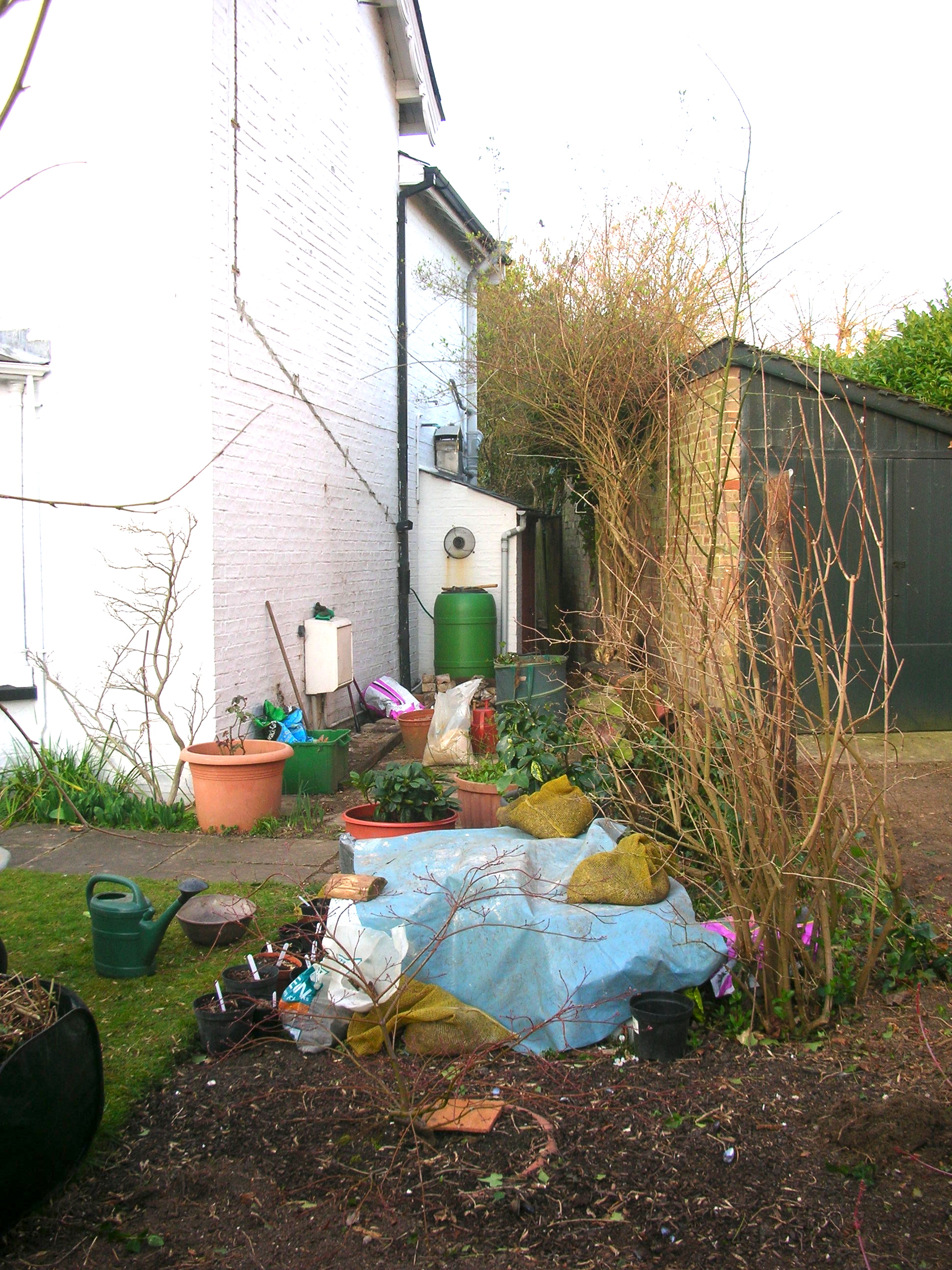
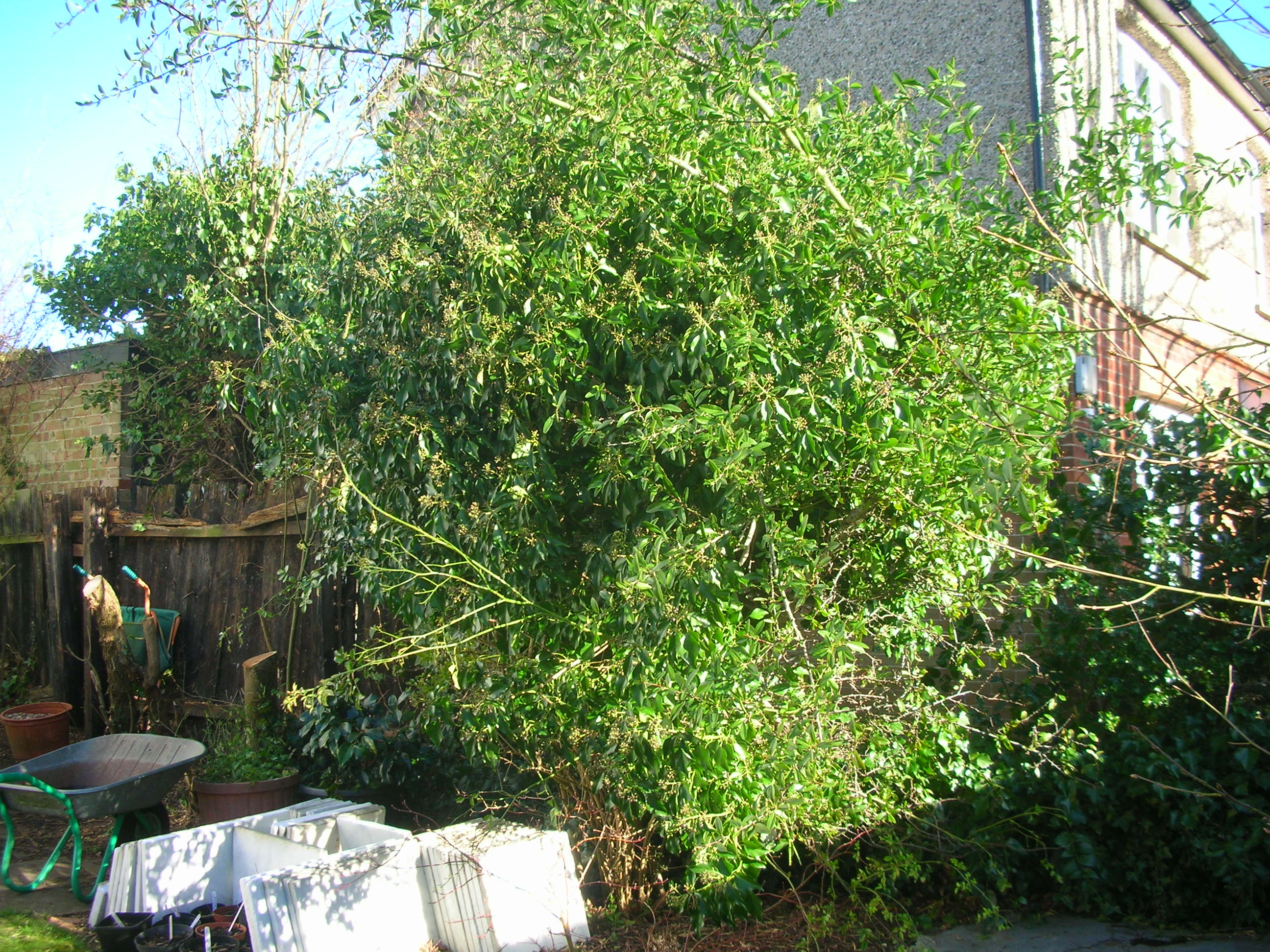
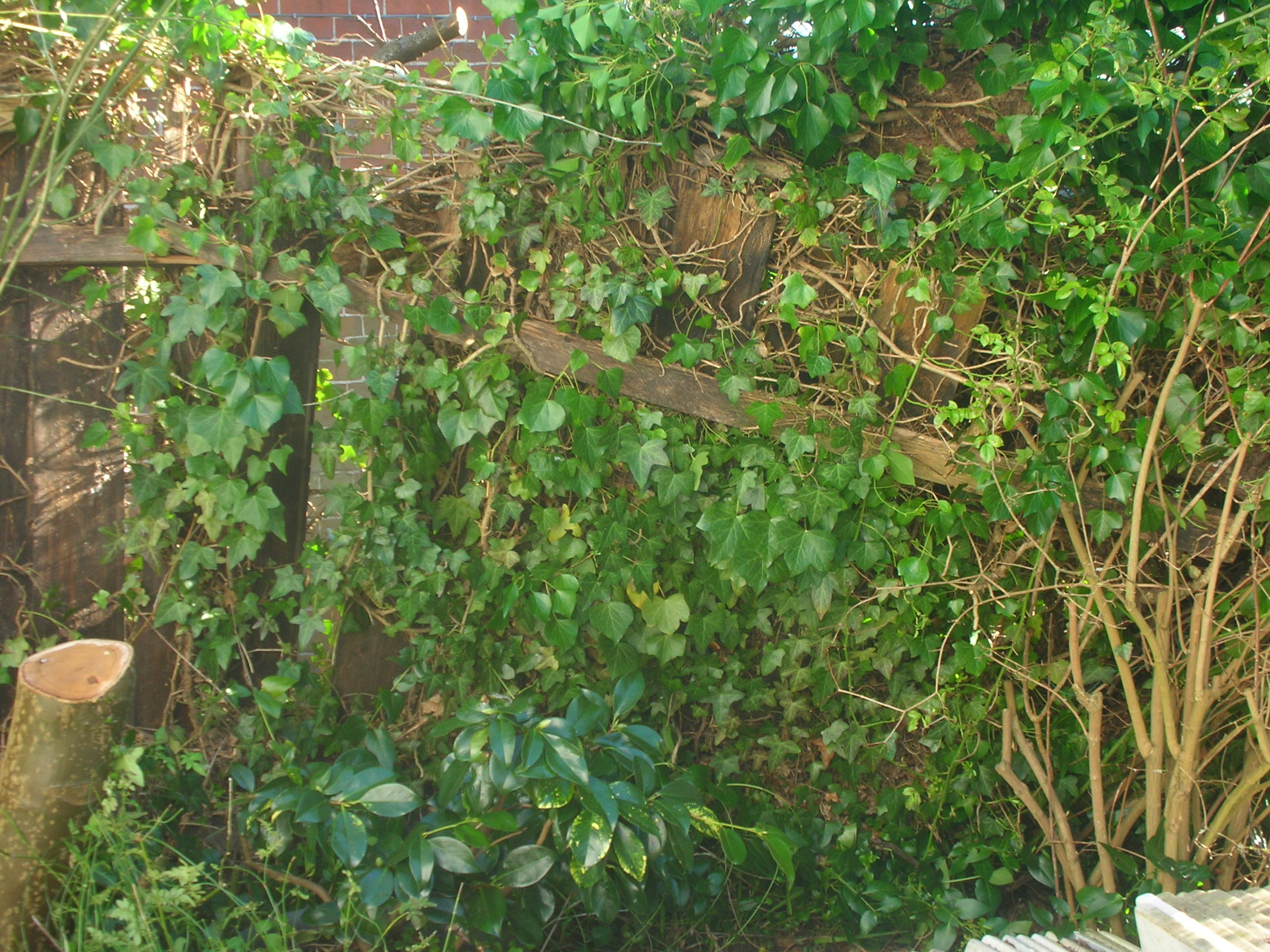
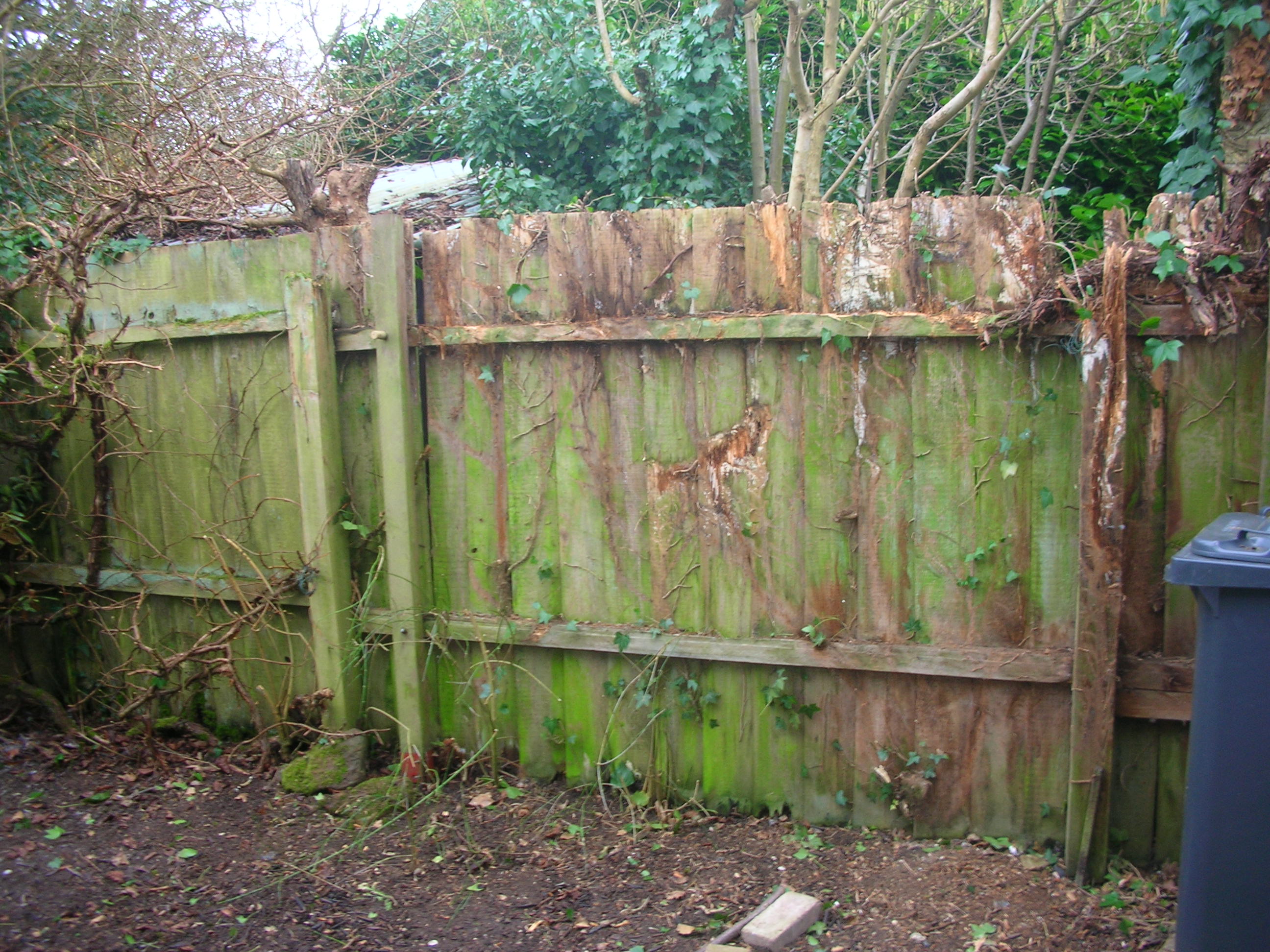
Because we are about to put up our first greenhouse, we have been clearing a chaotic corner of the garden, cutting back rampant lilacs and tearing down even more rampant ivy. Our neighbour has been doing the same on the other side of the fence and, what with the gales and the age of the fence, there has been a grand collapse. DSCN4761

DSCN4767

In the meantime, kind friends who had come to stay took me up on a lighthearted suggestion that we all move the rhododendrons in tubs on the other side of the house, which had grown so big that they were closing the passageway. This was not a trivial task.OLYMPUS DIGITAL CAMERA

But they weren’t put off and so project number two is now underway.DSCN4775

DSCN4770

DSCN4780Today a bolt of sand was delivered and somehow, in the next few weeks, we will create suitable hard standing for a greenhouse and three giant tubs of rhododendrons, as well as repairing the fence and creating a new log store.

I like a spring challenge. As far as nature is concerned, this is spring. The plum tree is in blossom. DSCN4784

England under water

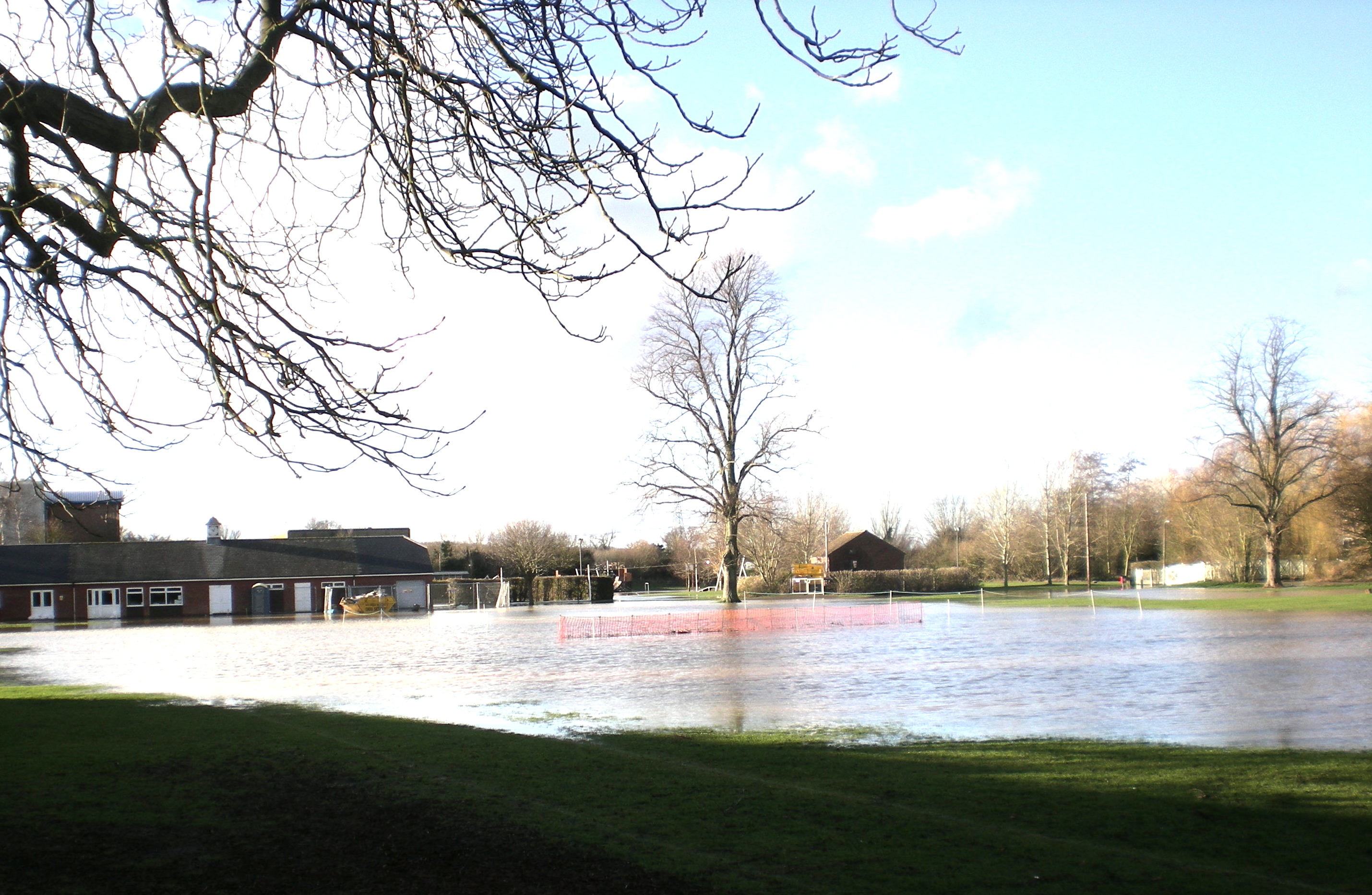
We live in a part of the UK not affected by floods. Last Saturday a friend and neighbour, Michael Judge, walked round the village taking a few photos. Here is an English cricket pitch.

The recreation ground – photo Michael Judge

The recreation ground – photo Michael Judge

And a bowling green.

Bowling green – photo Michael Judge

Bowling green – photo Michael Judge

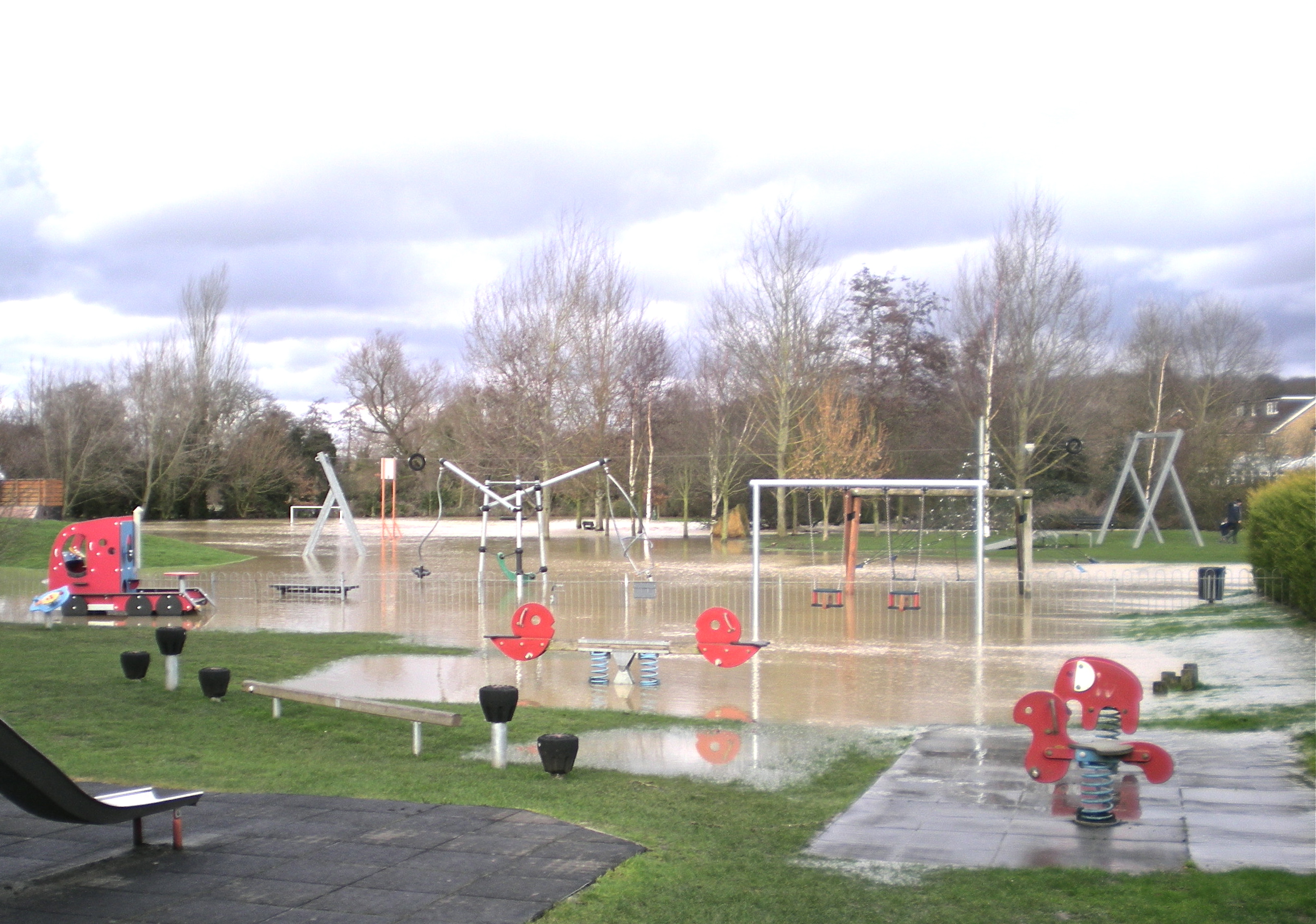
And a playground.

playground – photo Michael Judge

playground – photo Michael Judge

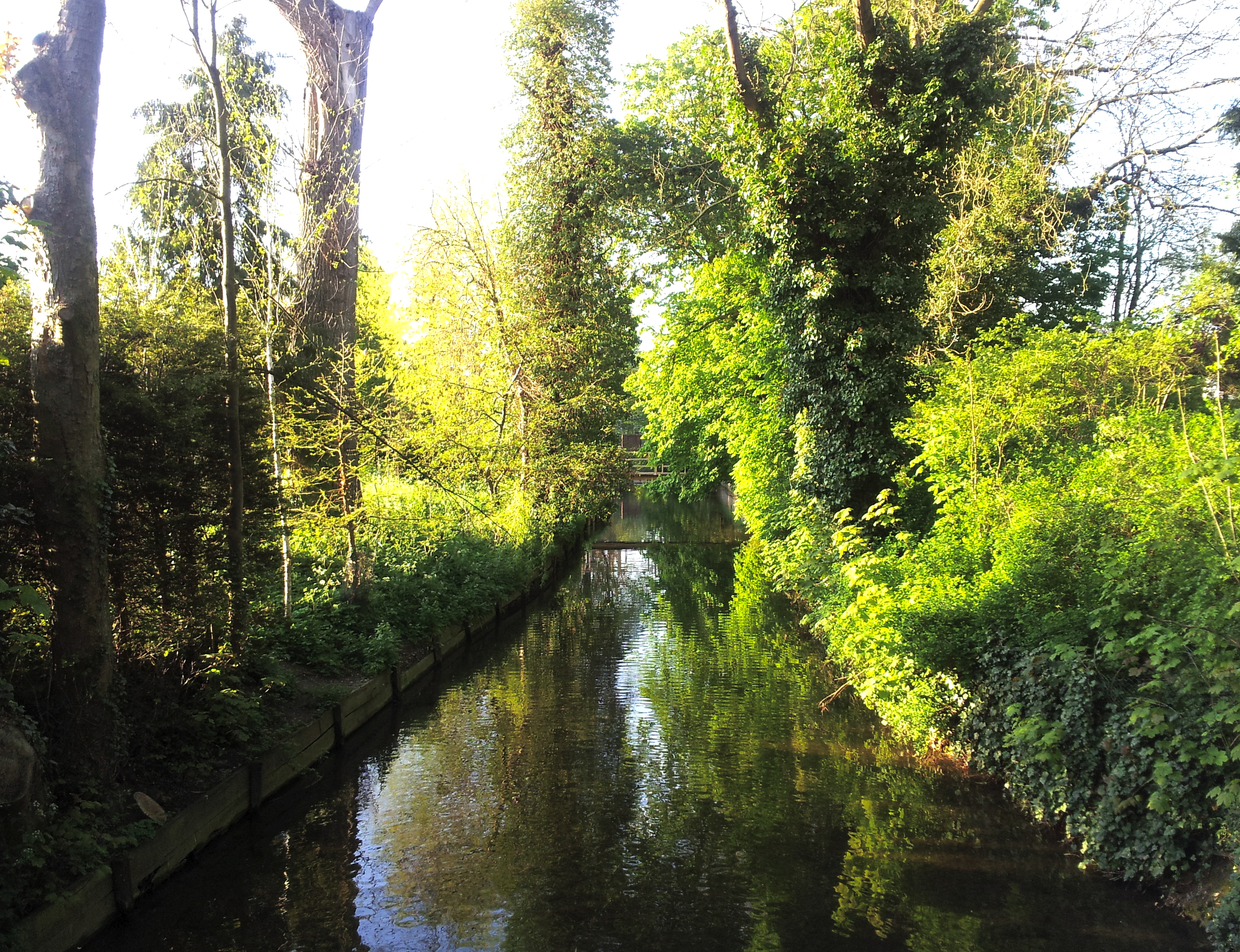
The local river in May 2012.

English village river May 2012 – photo Michael Judge

English village river May 2012 – photo Michael Judge

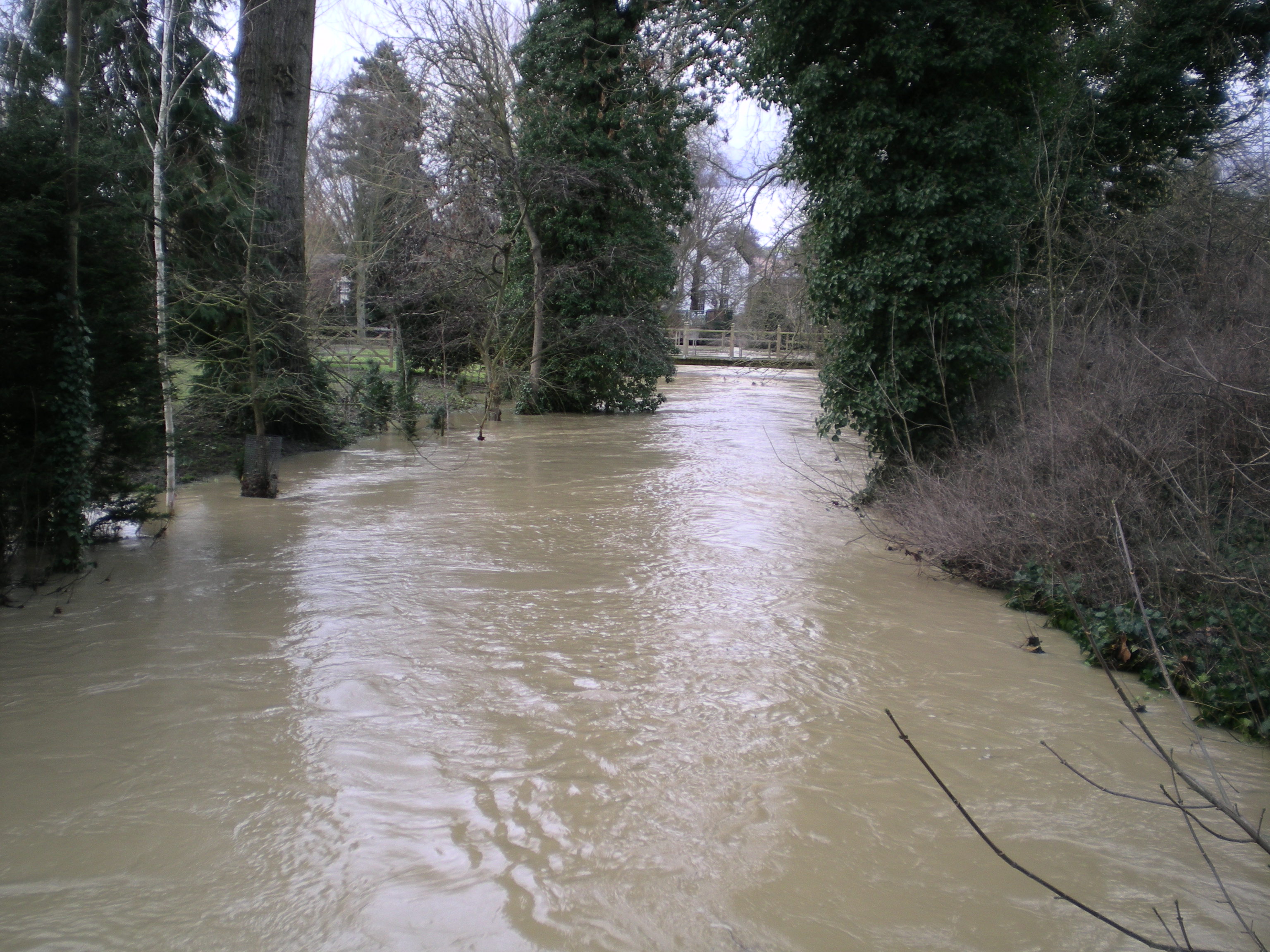
And again in February 2013.

a village river February 2013 – photo Michael Judge

English village river February 2013 – photo Michael Judge

And, I repeat, our part of the UK has been spared most of the rain and flooding.